
Dryer Vent Cleaning in Farmington, MO
Tell us about your home, and a licensed contractor who covers St. Francois County will get in touch.
Tell us about the job
It takes about a minute.

Cold vents catch more lint than warm ones
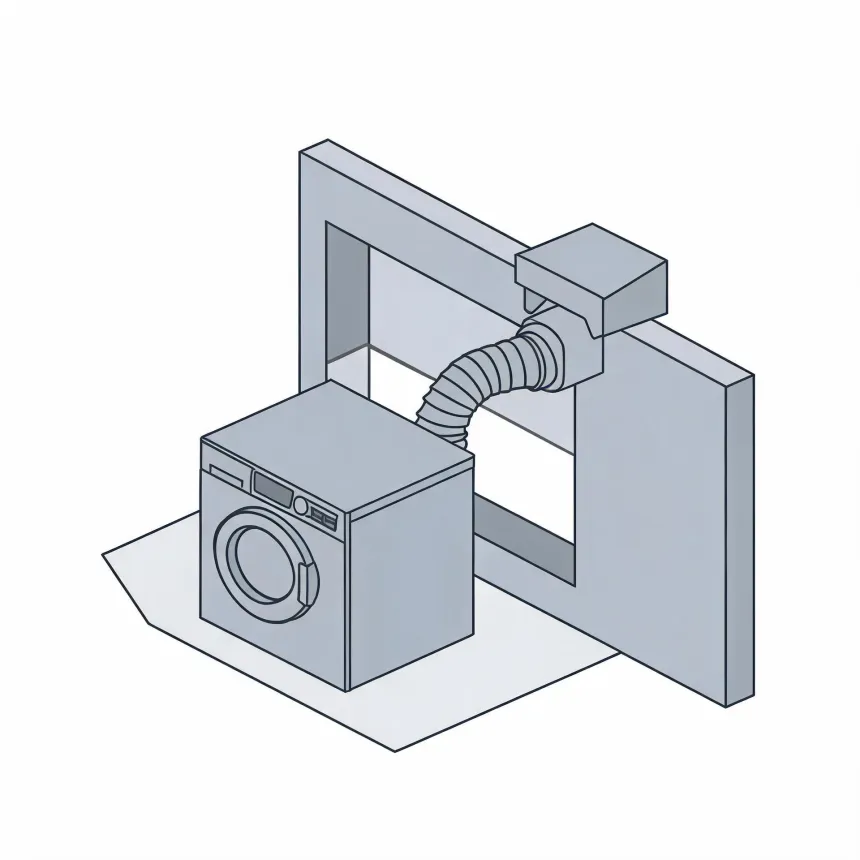
Your dryer pushes out warm, damp air every load. In a vent run that sits in cold space, that air cools fast, and the moisture in it turns to dampness on the vent walls. Lint sticks to a damp wall a lot easier than it slides through a dry one. From December through February, when nights here average 25°F, that cooling happens fast, close to the wall of the house.
Once lint builds up along the duct, the dryer has to push air through a narrower path. That means longer drying times, a dryer that runs hotter than it should, and, if the buildup is bad enough, a real fire risk where the vent meets the outside wall.
- 25°F
- the average winter night, and cold vents catch damp lint
- 7 months
- October through April, the vent stays cold
NOAA nClimDiv, 1991–2020 normals
- How often should a dryer vent be cleaned?
- A dryer vent should be checked at least once a year, more often if the dryer runs several loads a week. Lint packs into the pipe even when the trap gets cleaned after every load, and it builds up fastest in the section nearest the wall. A household that dries heavy loads like towels and bedding often will want that check done more than once a year.
- Can I clean my dryer vent myself?
- You can clean the parts you can reach, but most homes can't clear the whole run this way. A brush and vacuum from the dryer's side will pull lint out of the first few feet, and doing that regularly helps. The vent usually runs several feet before it reaches the outside wall or roof, with bends along the way, and lint packed into those bends needs a longer rod system or a technician who can run a camera through to check the job actually cleared it.
- What are the signs of a clogged dryer vent?
- Clothes that take longer than one cycle to dry, or come out hot to the touch and still damp. The dryer itself may run hotter than usual and shut off partway through a cycle. Check the outside vent hood too. If you can't feel much air moving out of it while the dryer runs, or you see lint gathered around the opening, the vent is blocked somewhere along its run.