
HVAC Installation in Rolla, MO
A new system here will heat from October through April and cool from May through September every year. Tell us about the house, and a licensed contractor who covers Phelps County will get in touch.
Tell us about the job
It takes about a minute.
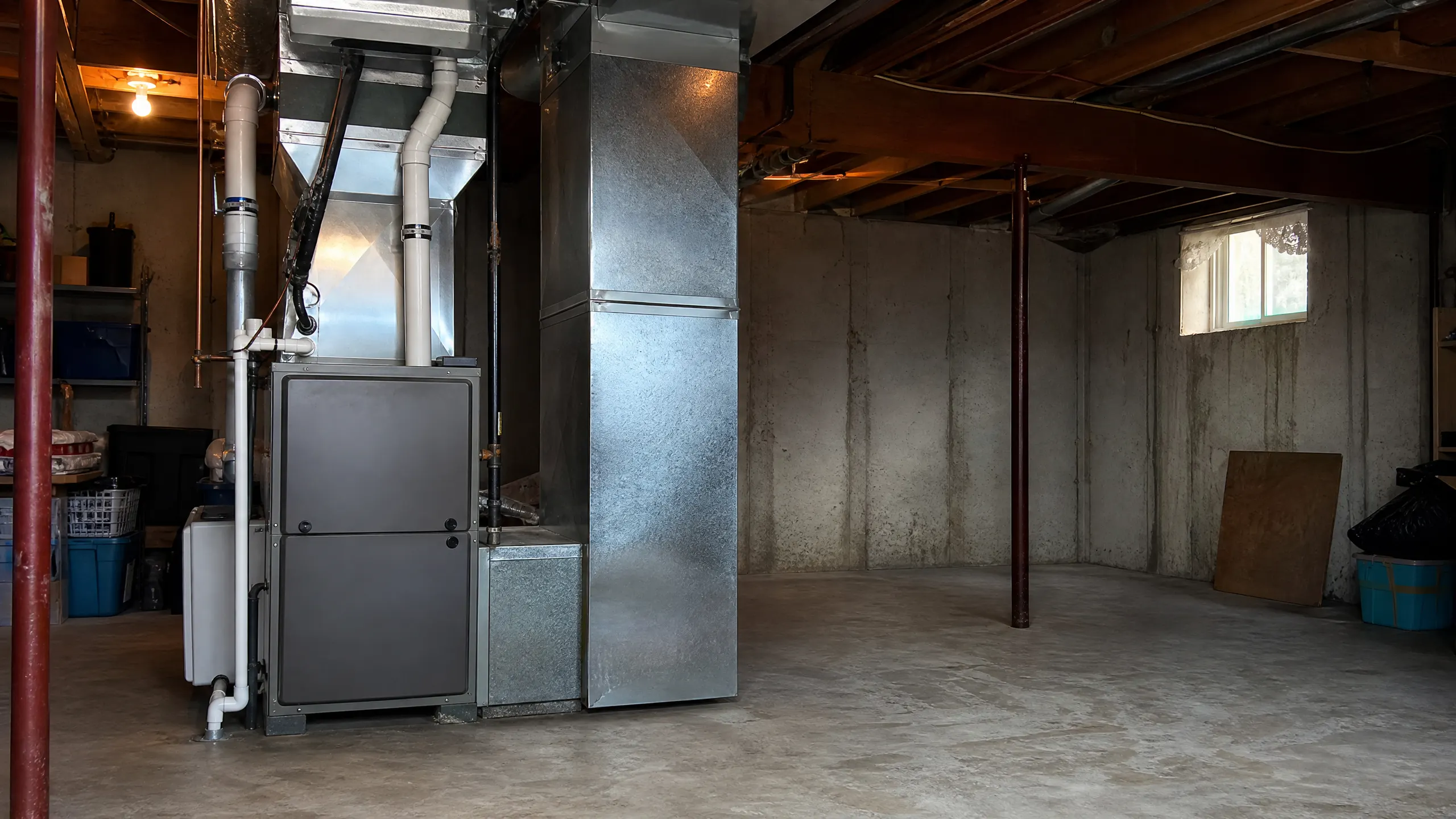
A system that works almost every month here
Rolla only gets a break from heating or cooling for a few weeks a year. Furnaces run October through April, seven months, working hardest on nights that average 25°F. Then the air conditioner takes over for May through September, cooling afternoons that hit 87°F. A new system has to handle both ends of that range, not just one.
Most homes here heat with electricity, so a power outage means no heat too. Phelps County has seen 10 winter storms and 56 damaging wind events over the past ten years, and statewide almost one in five households lost power for a day or more in 2024. Whatever gets installed should be sized and set up to start back up on its own once the power is back.
- 7 months
- October through April, your system heats
- 5 months
- May through September, it cools
- 25°F
- the average winter night it heats against
- 87°F
- the average summer afternoon it cools against
NOAA nClimDiv, 1991–2020 normals
- When should I replace my HVAC system?
- Replace it when repairs get frequent, the unit is old, or it can no longer keep up on the coldest or hottest days. A contractor called out for a repair can tell you whether the unit is worth fixing again or close to the end of its life. Homes here need heat October through April and cooling May through September, so the system is working nearly the whole year with little rest. Waiting for a total breakdown means choosing a new system in a hurry, and winter nights averaging 25°F are not the time to be without heat.
- Should I replace my furnace and air conditioner at the same time?
- If both are old, replacing them together often makes sense, but it depends on the condition of each unit. A furnace and air conditioner installed at different times can still be paired, since a contractor will size the new equipment to match what stays. The one thing worth asking about is whether they share a blower or air handler, because that connection affects how the two units work together. A contractor can look at the age and condition of both and tell you whether replacing one now and planning for the other later is reasonable.
- What happens during an HVAC installation?
- A contractor removes the old equipment, sets the new furnace, air conditioner, or both in place, and connects it to the ductwork, gas line or electrical circuit, and condensate drain as needed. They check the ductwork for leaks or sizing problems, since a new system pushing air through the wrong ducts will not heat or cool the way it should. Once it is connected, they test it, checking airflow, refrigerant charge on an air conditioner, and safe operation on a furnace. A contractor walks the specific job with you beforehand, since what needs doing depends on the equipment and the house.