
HVAC Repair in Cape Girardeau, MO
Homes here need heat from October through April and cooling from May through September. If your system quits, tell us what it's doing and a licensed contractor who covers Cape Girardeau County will get in touch.
Tell us about the job
It takes about a minute.
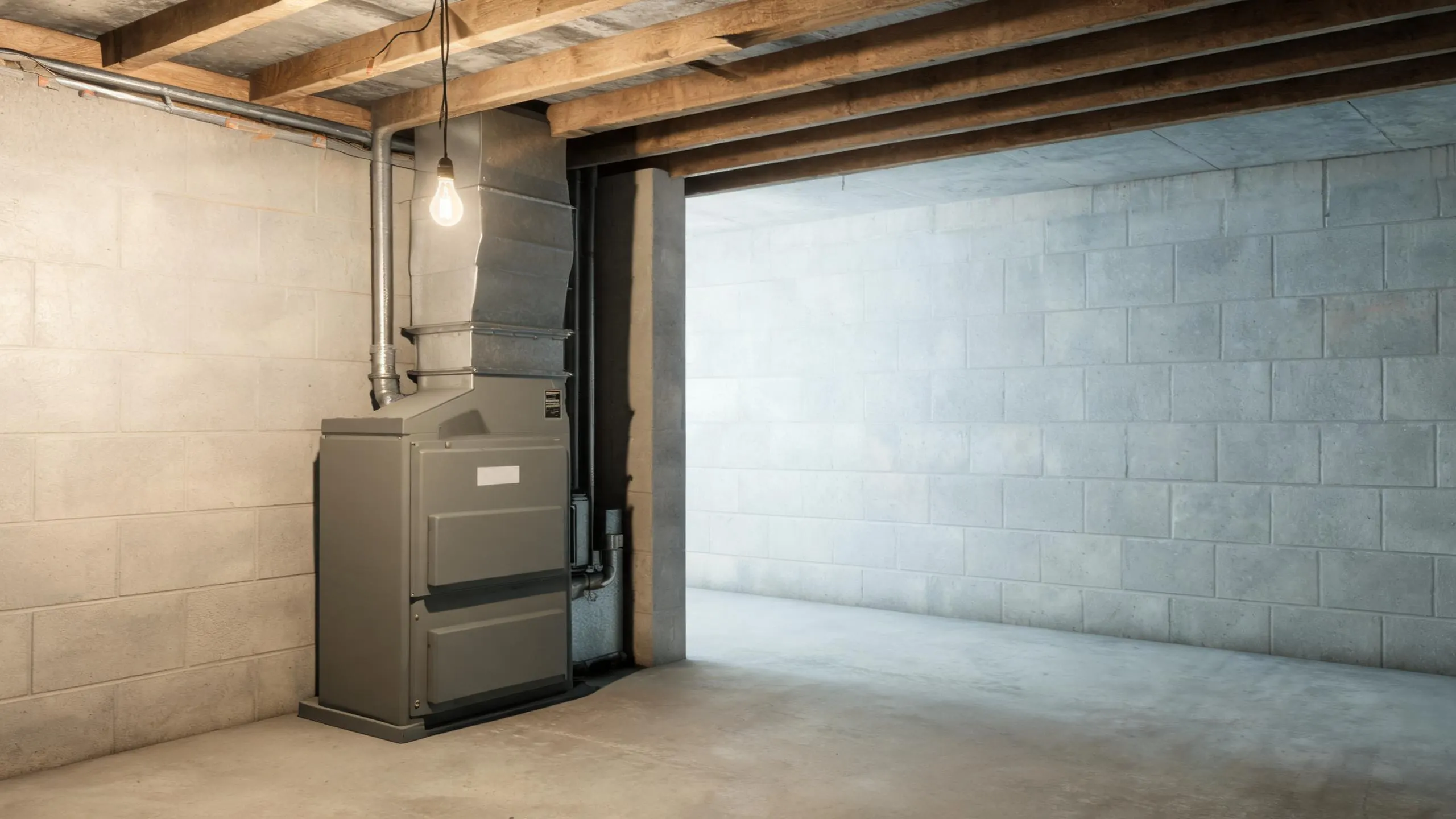
Cape Girardeau asks a lot of your system, all year
Your furnace works October through April here, and your air conditioner takes over for the five months after that. There is almost no season where the system gets to sit idle. Winter nights average 27°F, cold enough that the burner is cycling on and off for hours at a stretch, and each start puts wear on the igniter and the parts that light it. Summer afternoons average 88°F, which means the compressor is running long stretches to keep up, and that kind of load is what wears out a capacitor or a contactor before its time.
Cape Girardeau County has seen 120 damaging wind events and 10 winter storms over the past ten years, and almost one in five Missouri households lost power for at least a day in 2024. Nearly half the homes here heat with electricity, so when the power goes out, the heat goes with it. When it comes back on, a furnace or heat pump that was mid-cycle when the outage hit does not always restart cleanly on its own.
- 7 months
- October through April, your system heats
- 5 months
- May through September, it cools
- 27°F
- the average winter night it heats against
- 88°F
- the average summer afternoon it cools against
NOAA nClimDiv, 1991–2020 normals
- Why is my heat not working?
- The most common cause is the thermostat, the pilot light, or the igniter. Check that the thermostat is set to heat and the temperature is above room temperature. If you have a gas furnace, look for a pilot light that has gone out or listen for the igniter clicking when the furnace tries to start. A tripped breaker or a clogged filter blocking airflow can also shut a furnace down. With winter nights here dropping to 27°F on average, a furnace that will not start needs attention fast, so if these checks do not fix it, call for repair.
- Why is my system running but not cooling the house?
- This usually means the outdoor unit is not moving heat out of the house even though the indoor blower is running. Check the outside condenser for a dirty coil or debris blocking airflow around it, and check that the air filter inside is not clogged. A refrigerant leak or a failing compressor will also cause this, and neither is something to diagnose yourself. If the outdoor fan is not spinning at all, turn the system off and call for repair rather than let it run.
- What can I check before calling for HVAC repair?
- Start with the thermostat. Make sure it is set correctly, has working batteries if it uses them, and is set to heat or cool as needed. Next check the air filter. A filter clogged with dust restricts airflow and can cause a furnace or air conditioner to shut off or run without heating or cooling well. Check your breaker panel for a tripped breaker, since a system that will not turn on at all is often an electrical problem, not a mechanical one. If the outdoor unit is covered in leaves or debris after a storm, clearing it may restore airflow. If none of this fixes it, a contractor can diagnose the rest.