
HVAC Repair in Neosho, MO
Homes here need heat from October through April and cooling from May through September. If your system quits, tell us what it's doing and a licensed contractor who covers Newton County will get in touch.
Tell us about the job
It takes about a minute.
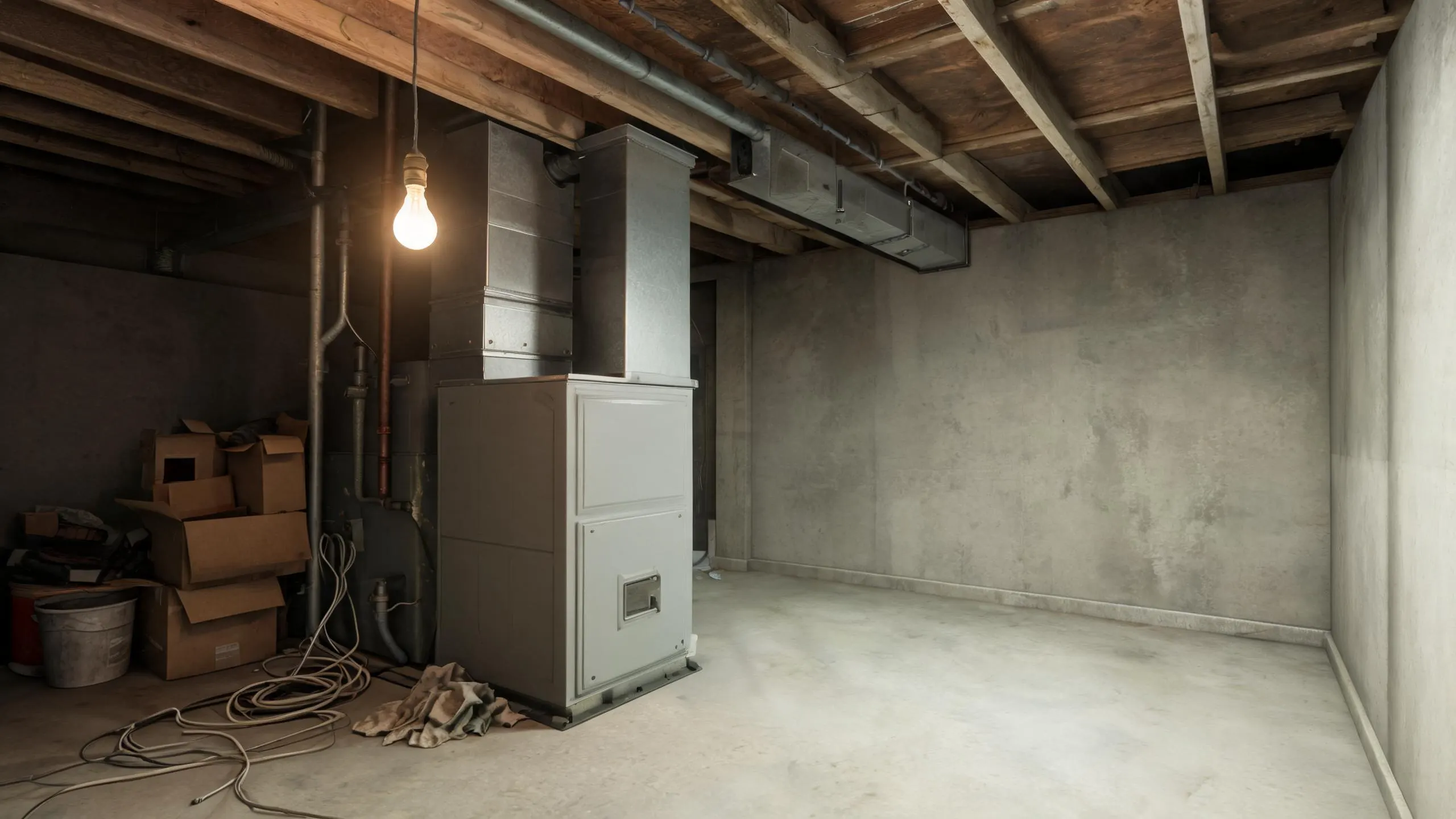
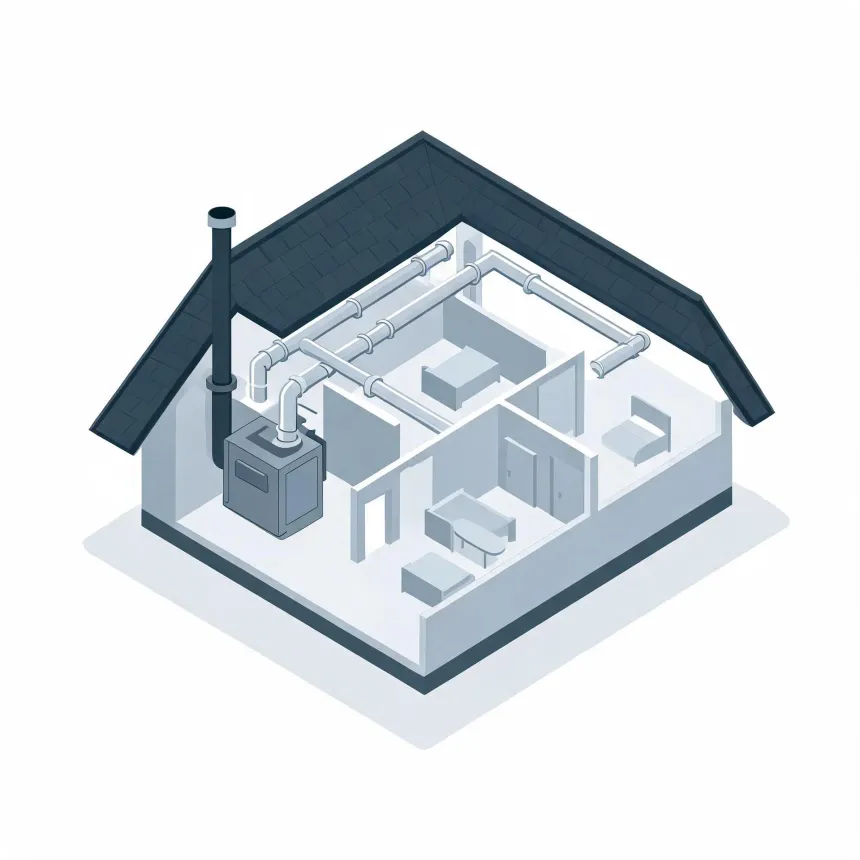
Neosho asks a lot of your system, in both directions
Your furnace works from October through April here, and winter nights average 27°F through the coldest stretch of that. That kind of cold means long, frequent burner cycles, and every cycle puts wear on the igniter and the ignition control. When one of those finally gives out, the furnace won't light at all.
Come May the job flips to your air conditioner, and it runs through September with afternoons hitting 88°F. Almost half the homes here heat with electricity, which means the same panel and the same wiring are under load nearly all year. Newton County has also logged 105 damaging wind events and 7 winter storms over the past ten years, and close to a fifth of Missouri households lost power for a full day or more in 2024. After an outage, a furnace or air conditioner that won't start on its own is often just waiting on a reset, but if it still won't run, that's a sign something inside took the hit.
- 7 months
- October through April, your system heats
- 5 months
- May through September, it cools
- 27°F
- the average winter night it heats against
- 88°F
- the average summer afternoon it cools against
NOAA nClimDiv, 1991–2020 normals
- Why is my heat not working?
- Start with the thermostat and the power to the furnace before you assume the worst. Check that the thermostat is set to heat and a few degrees above room temperature, and check the breaker for the furnace along with the switch that looks like a light switch near the unit itself. If you have a gas furnace, look at the flame through the sight glass or listen for the igniter clicking. If you have electric heat, a tripped breaker is the first thing to rule out since electric furnaces draw a lot of current. Winter nights here average 27°F, so a furnace that will not run needs attention fast rather than waiting it out.
- Why is my system running but not cooling the house?
- Check the air filter first. A filter clogged with dust blocks airflow across the indoor coil, and when that happens the coil can freeze over and stop cooling the air even though the blower is running. Next check the outdoor unit and make sure nothing is blocking the fan or the coil fins, since that unit has to release heat for the system to cool your home. If the filter is clean and the outdoor unit is clear but the air coming from the vents is not cold, the system likely has a problem a contractor needs to diagnose, such as a refrigerant leak or a failing compressor.
- What can I check before calling for HVAC repair?
- Check the thermostat settings, the batteries in it if it uses them, and the breaker for the system. These cause more no-heat and no-cool calls than any actual equipment failure. Check the air filter next and replace it if it is visibly dirty, since a blocked filter can affect both heating and cooling. If the outdoor unit is involved, look for debris, ice, or anything blocking airflow around it. If everything checks out and the system still is not working, a contractor will need to look at it, and having these basics ruled out ahead of time helps them get to the actual problem faster.