
Let someone else find the pro
How to lower your heating bill in a Missouri winter
Most of a Missouri gas bill comes down to how hard the furnace has to work and whether it's running clean. A furnace that's skipped maintenance burns more gas to put out the same heat, and small problems turn into bigger repairs once the cold really sets in. This page gets into what maintenance actually changes on the bill, and what to check before you commit to anything. Send the form and a local contractor who works on furnaces all winter takes it from there.
Let a pro reach outThe biggest cut to a Missouri gas bill is getting the furnace serviced before the cold sets in. A furnace loses efficiency as dirt builds up on the burners and the flame sensor, and as the filter clogs with dust. None of that stops the furnace from running. It just makes it run longer and burn more gas to reach the same temperature on the thermostat. A cracked heat exchanger or a dirty flame sensor can also trip the furnace into short cycling, where it fires up, shuts off, and fires up again every few minutes, which wastes gas and wears the parts faster. A technician who checks the burners, the igniter, the flame sensor and the filter before January catches this while it is still cheap to fix. That is the difference between a furnace that heats your house steadily through a Missouri winter and one working twice as hard to do the same job.

A dirty flame sensor runs longer
A flame sensor coated in residue reads the flame weaker than it is. The control board compensates by cycling the burners longer to satisfy the thermostat, so you get the same heat but pay for extra minutes of gas on every cycle. Cleaning that sensor takes a contractor a few minutes during a tune-up. Left alone, the residue builds until the furnace shuts itself off mid-cycle instead of just running long, and you notice the house isn't warming up.

A clogged filter chokes airflow
Furnaces are built to move a set amount of air across the heat exchanger. When the filter clogs with dust, less air gets through, so the exchanger runs hotter and the blower works harder to push the same warmth into your rooms. That strain shows up as higher gas use and, over a winter, wears on the blower motor itself. A contractor checks the filter as part of a maintenance visit and tells you what condition it's in.
Skip Maintenance or Get It Serviced
Skip Maintenance
- A clogged filter makes the blower motor pull harder to push the same amount of air, and that shows up on the electric side of your bill too.
- Burners that haven't been cleaned since last winter can carbon up, which throws off the air-to-gas mix and makes the furnace run longer to reach the same temperature.
- A furnace that's never been looked at tends to fail on the coldest night, not a mild one, since that's when it runs the longest without a break.
- Small issues like a sticking gas valve or a worn igniter don't announce themselves, they just make the furnace work harder until something gives out.
- Without a yearly check, you're guessing at the filter instead of knowing when it actually needs changing.
Get It Serviced
- A technician cleans the burners and the flame sensor, so the furnace reads the flame correctly and doesn't overcompensate by running longer than it needs to.
- A fresh filter and a cleaned blower wheel let air move the way the furnace was built to move it, instead of fighting through buildup all winter.
- Loose wiring, a weak capacitor, or a gas valve that's starting to stick gets caught while it's a small fix, not an emergency call in January.
- A local technician who works on furnaces all winter in Missouri knows which parts tend to fail first in this climate and checks those before they do.
- Once the request goes in, finding that technician stops being something you have to manage yourself.

Technician checks the furnace filter for dirt and airflow loss
Burners get cleaned of carbon and rust buildup
Flame sensor is cleaned so it reads the flame correctly
Ignition system and gas pressure are tested for proper burn


One request and it's handed off
A furnace that's been running dirty since last winter isn't going to fix itself before the next cold snap hits. Every week it goes without a cleaning is another week of burners putting out an uneven flame and a blower working harder than it should, and that's gas and electric both. Finding someone qualified to deal with it is its own chore, calling around, comparing who actually works on furnaces versus who just lists it on a website. Send the request through and a licensed contractor near you in Missouri gets it, someone who services furnaces like yours every winter and knows the usual spots where carbon builds up or a flame sensor starts reading wrong. Just the one contractor, so your phone isn't ringing off the hook with sales calls from companies you didn't ask to hear from. Whatever is making your furnace work harder than it needs to, it gets looked at before the worst of winter is the one pushing your bill up.




Why does my gas furnace smell like it's burning dust every time it kicks on?
Every year the first cold snap hits, you turn the furnace on for the first real run of the winter, and that burning smell shows up within a minute or two. It's not smoke and it doesn't linger more than a day, so you're trying to figure out if it's something to worry about or just what happens when a furnace sits unused for months.
That smell is dust burning off the heat exchanger and burners
Dust settles on the heat exchanger and burners all summer while the furnace sits idle. The first time the burners fire for the season, that dust burns off, and you get the smell through the vents for a few minutes. It should clear up fast and not come back once the furnace has run a few cycles. If it lingers past the first day, or it smells sharper than dust, that's usually carbon buildup on the burners from last winter that never got cleaned off. A burner running dirty puts off a different smell than a clean one warming up, and it's worth having someone check before you run it through another Missouri winter.
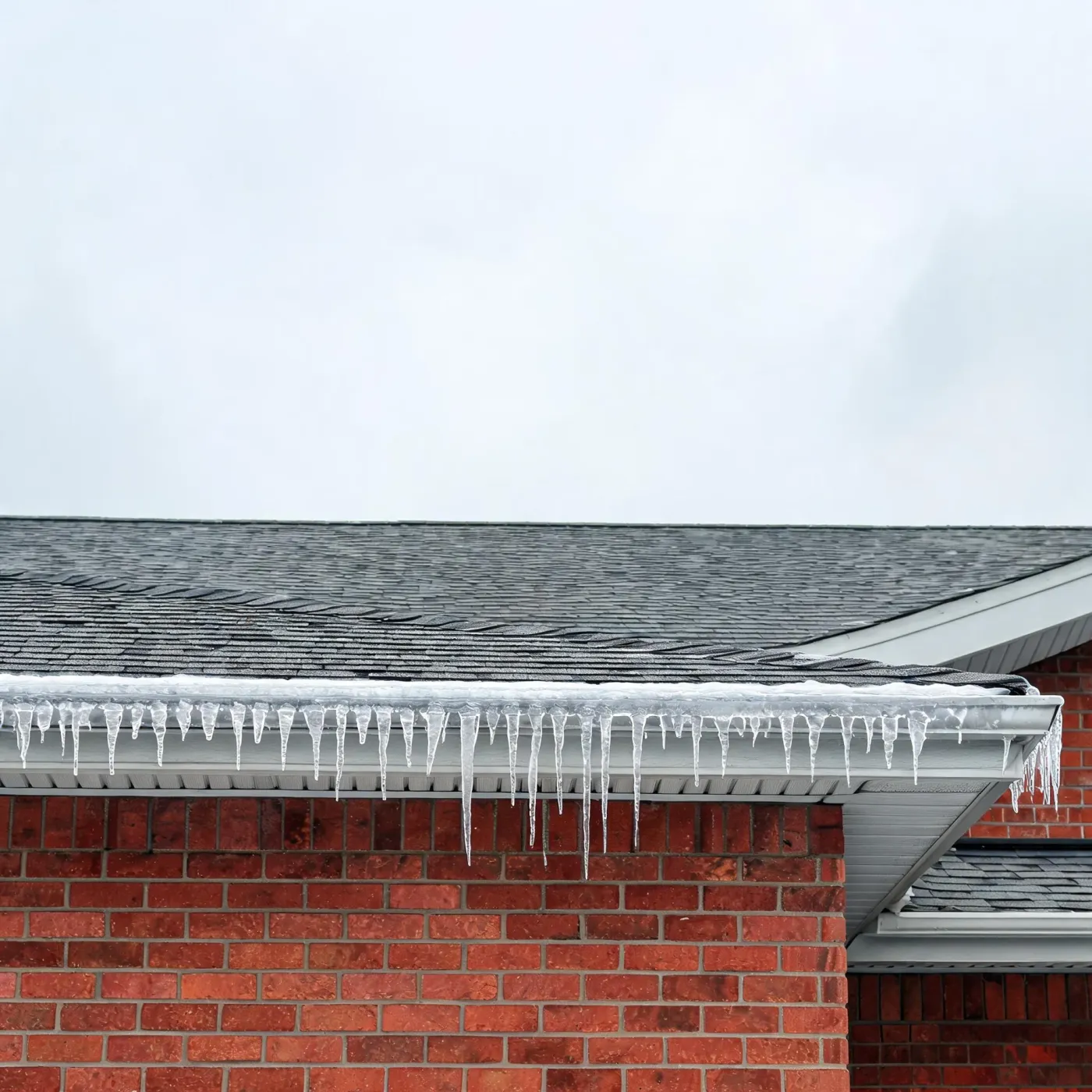
Winter nights across Missouri average 25°F, according to NOAA climate data. At that temperature your furnace isn't cycling on and off a few times an hour, it's running long stretches just to hold the house steady. That's a lot of hours for a dirty burner or a weak flame sensor to waste gas without you noticing anything except the bill. You might catch the blower running longer than it used to, or the house taking a bit more time to warm back up after the thermostat drops. Cold nights like these are exactly when a furnace that's overdue for a cleaning starts costing you the most, because it's working close to its limit for months, not just on the occasional freeze.
NOAA nClimDiv 1991-2020 county normals weighted by homes


Where this leaves you
- A furnace tune-up before winter keeps the burners clean and the gas bill from climbing for no reason.
- A technician who services furnaces all winter in your area knows which parts fail first in this cold.
- One licensed local contractor takes the call, so you're not sorting through quotes from several companies.
- A furnace that's been checked once this season is one less thing to worry about when the next cold snap hits.
- The filter, the flame sensor and the burners get looked at together, so nothing gets missed.
A lower gas bill this winter comes down to a furnace that's running clean, not one working harder to put out the same heat. Dirt on the burners, a weak flame sensor, a clogged filter, all of it costs you gas before it ever shows up as a breakdown. Getting it looked at now settles that question before the next cold snap makes it worse.
You don't need to call around for this. The request goes to one licensed contractor local to Missouri, someone who's in furnaces like yours all winter and already knows what tends to fail first when the temperature drops the way it does here. That's different from an outfit that mostly does other work and fits furnaces in between. A technician who sees this equipment every week in this cold knows what a burner coated in carbon looks like before it costs you a month of higher bills, and knows what a weak flame sensor does to your gas usage long before it strands you without heat.
You also aren't left juggling a handful of quotes or fielding calls from companies you didn't ask to hear from. One contractor takes the job, checks the filter, the flame sensor and the burners together, and tells you what's there. Whatever's wearing down gets caught now, while it's a small fix, instead of in February when it isn't. That's the whole point of getting ahead of it.

Done looking for a furnace pro
The pro who reaches out is licensed in Missouri.