
HVAC Installation in Osage Beach, MO
A new system here will heat from October through April and cool from May through September every year. Tell us about the house, and a licensed contractor who covers Camden County will get in touch.
Tell us about the job
It takes about a minute.
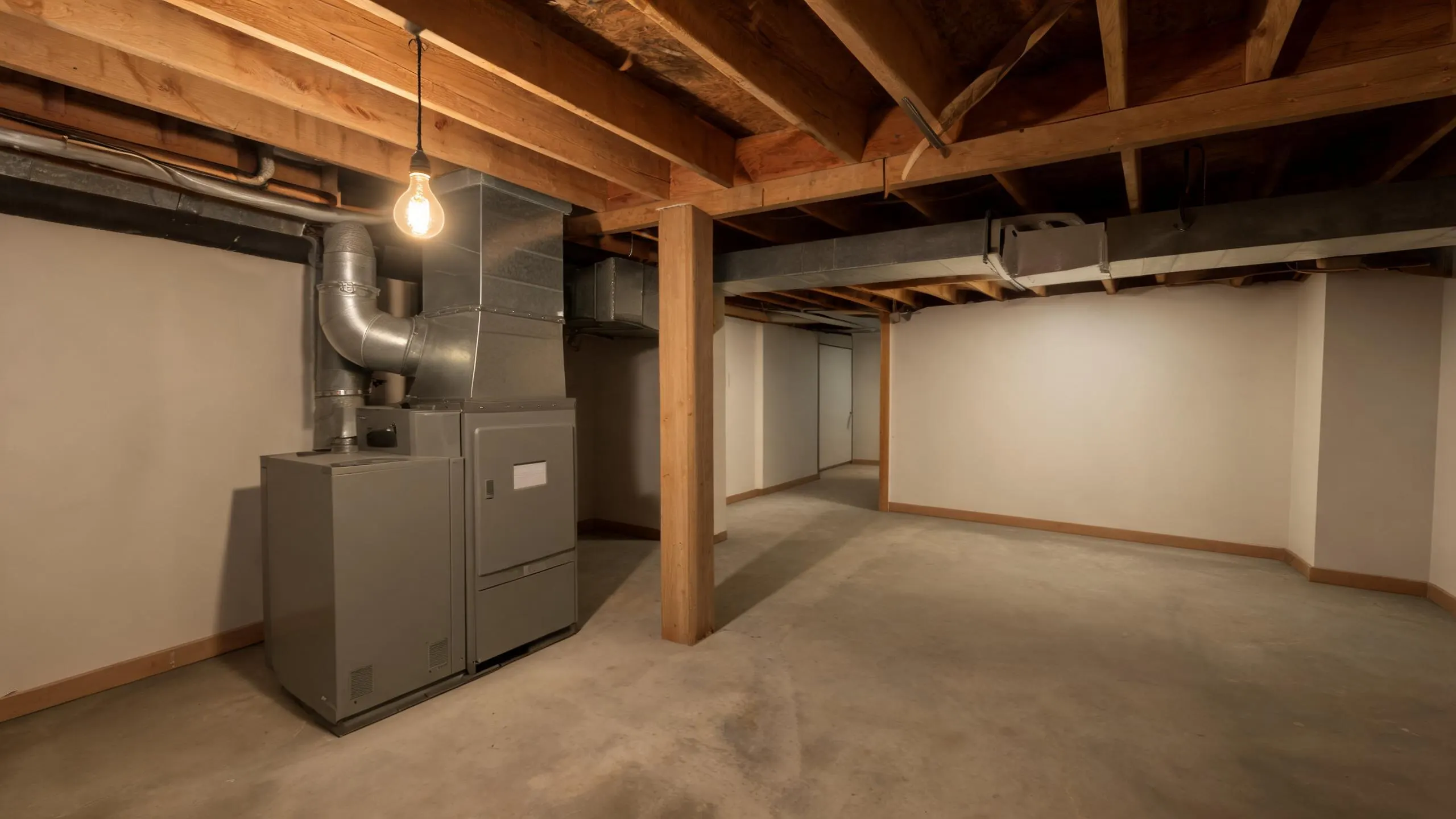
A system that has to work all year here
Osage Beach needs heat from October through April and cooling from May through September. That covers the whole year, so a new system has to be sized right for both jobs, not just one.
Winter nights average 25°F here, cold enough that a furnace or heat pump runs often through those seven months. Summer afternoons average 87°F, and most homes here heat with electricity, so the equipment you choose carries the load both seasons ask of it. The area has also seen winter storms and damaging wind events over the past ten years, and statewide almost one in five households lost power for at least a day in 2024. That is worth knowing before you decide what kind of system, and what kind of backup, goes into your home.
- 7 months
- October through April, your system heats
- 5 months
- May through September, it cools
- 25°F
- the average winter night it heats against
- 87°F
- the average summer afternoon it cools against
NOAA nClimDiv, 1991–2020 normals
- When should I replace my HVAC system?
- Once repairs start happening every year, or the system can't keep up on the coldest or hottest days, it's time to think about replacing it rather than fixing it again. Furnaces and air conditioners both have a working life, and after enough winters and summers the parts wear out faster than they can be patched. Here, homes lean on heating or cooling for all 12 months, with winter lows around 25°F and summer highs near 87°F, so the equipment gets little rest. If your system is old and struggling in that kind of use, a contractor can look at its condition and tell you whether repair still makes sense.
- Should I replace my furnace and air conditioner at the same time?
- If both are old, replacing them together often makes sense, since they usually share a blower and are matched to work as a pair. A furnace and AC installed at different times can end up mismatched, which makes the whole system less efficient. That said, if one unit is much newer than the other, there's no rule that says you have to replace both at once. A contractor can check the age and condition of each and tell you whether pairing the replacement makes sense for your setup.
- What happens during an HVAC installation?
- A contractor removes the old equipment, sets the new furnace or air conditioner in place, and connects it to the ductwork, gas or electric line, and thermostat wiring. They check the ducts and refrigerant lines for leaks or damage before closing everything up. Once the system is running, they test it to make sure it heats or cools properly and that safety controls are working. Given the winter storms and wind events this area has seen, it's also worth asking the contractor to check that outdoor units and venting are secured against weather.