
HVAC Installation in Springfield, MO
A new system here will heat from October through April and cool from June through September every year. Tell us about the house, and a licensed contractor who covers Greene County will get in touch.
Tell us about the job
It takes about a minute.
Eleven months a year, your system is working
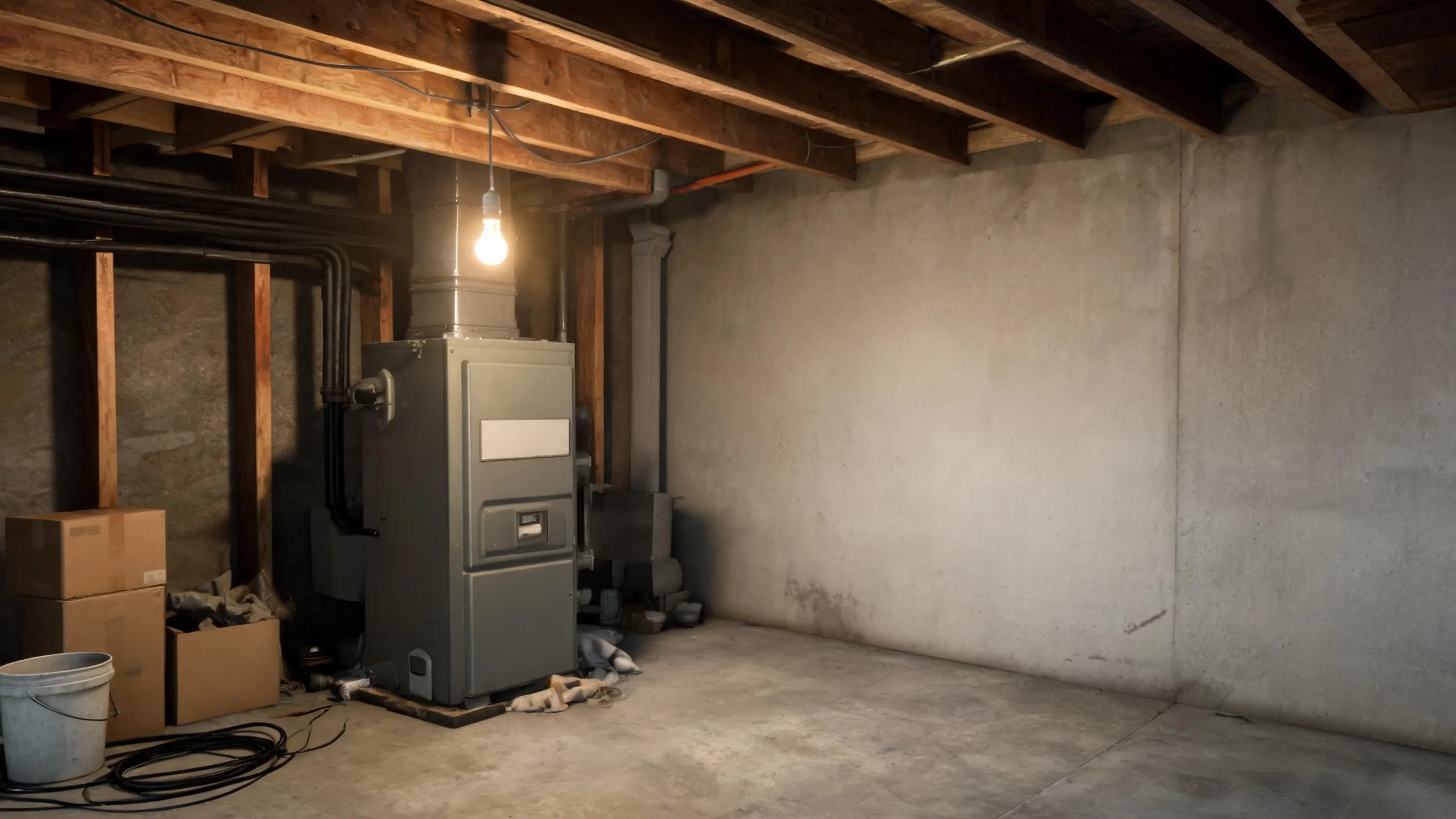
Greene County only gets a real break from heating and cooling about one month a year. Furnaces run October through April, and winter nights average 25°F over those months. Summers push back the other way, with afternoons averaging 87°F from June through September.
A new system here has to handle both ends without much rest in between. Just over half of homes in the area heat with gas, and whatever you install next has to meet the federal minimum efficiency standard for the equipment type. Storms are part of the picture too. The area has logged 14 winter storms and 302 damaging wind events over the past ten years, and statewide, 19% of households went at least 24 hours without power in 2024. Worth asking your contractor how a new system holds up when the power drops or the weather turns hard.
- 7 months
- October through April, your system heats
- 4 months
- June through September, it cools
- 25°F
- the average winter night it heats against
- 87°F
- the average summer afternoon it cools against
NOAA nClimDiv, 1991–2020 normals
- When should I replace my HVAC system?
- Once your furnace or air conditioner is old enough that repairs keep coming back, replacement usually makes more sense than another fix. Most furnaces and air conditioners last a couple decades with regular service, less if they have been skipping maintenance or straining through 7 months of heating and 4 months of cooling every year here. Rising energy bills with no clear cause, uneven temperatures room to room, and a system that cycles on and off too often are all signs the equipment is wearing out rather than facing one bad part. A contractor can look at the age, the repair history, and the size of the system for your house and tell you whether it is worth fixing again.
- Should I replace my furnace and air conditioner at the same time?
- If both are old, replacing them together is usually the better move, but it depends on the condition of each one. A furnace and air conditioner installed years apart were often sized and matched for the equipment that existed then, and pairing a new one with an old one can mean they do not work together as well. Since homes here run the furnace 7 months a year and the air conditioner 4, both units see heavy use and tend to age on a similar schedule. If one has failed and the other is still young, a contractor can tell you whether replacing just the one that broke will work with what you have, or whether the whole system should change together.
- What happens during an HVAC installation?
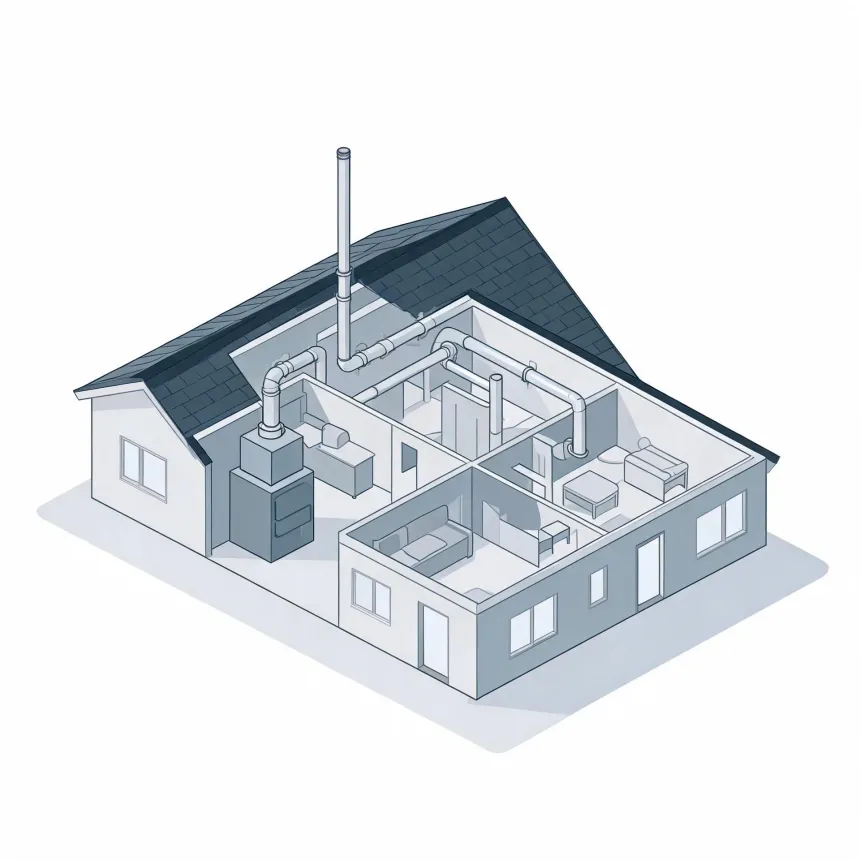
- A contractor removes the old furnace or air conditioner, sets the new equipment in place, and connects it to your ductwork, refrigerant lines, gas line, or electrical, depending on what the system needs. After that, the unit gets tested, the airflow and refrigerant charge get checked against the manufacturer's specs, and the thermostat gets set up to run it. On a furnace, that includes checking the venting and the gas connections for a safe burn. The exact steps and how long they take depend on your equipment and your house, so a contractor can walk you through what your installation will involve.