
Duct Cleaning in St. Louis, MO
Tell us about your home, and a licensed contractor who covers St. Louis will get in touch.
Tell us about the job
It takes about a minute.

Seven months of heating pushes a lot of air through your ducts
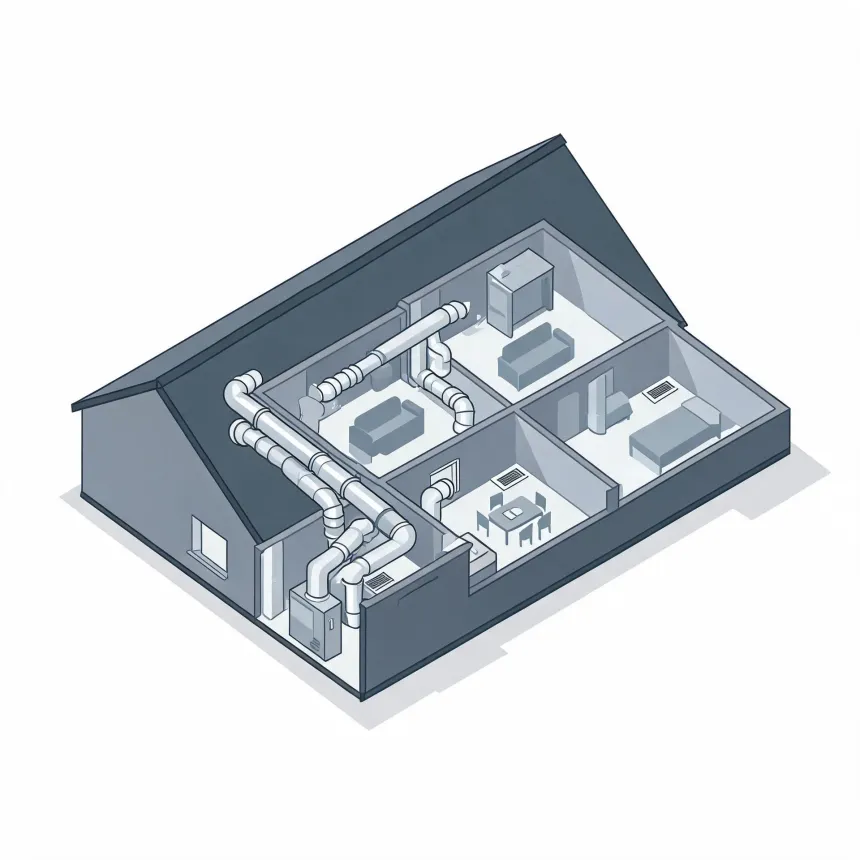
St. Louis homes need heat from October through April. That is seven months of the furnace pulling air in, warming it, and pushing it back out through the same ducts, night after night on winters that average 26°F. Every pass carries dust, pet hair, and whatever else is in the house, and some of it settles in the duct runs instead of coming back out the vents.
The city has also seen 28 damaging wind events and 9 winter storms over the past ten years. Storms like that can knock out power and shut a furnace down mid-cycle, and when the system restarts, it pushes out whatever settled while it sat idle. Over years of that cycle, buildup in the ducts can mean more dust moving through the house and less warm air actually making it to the rooms that need it.
- 7 months
- October through April, your furnace pushes air through your ducts
- 5 months
- May through September, your air conditioner does the same
NOAA nClimDiv, 1991–2020 normals
- How often should air ducts be cleaned?
- There is no fixed schedule that fits every home. Most homes only need it when something specific calls for it, like visible mold, a pest problem in the ductwork, or dust that keeps coming back after cleaning. If anyone in the house has allergies or breathing trouble, a contractor can look at the ducts and tell you whether cleaning would help.
- Is air duct cleaning worth it?
- It depends on what is actually going on with your ducts. If you can see dust blowing out of the vents, mold on the duct walls, or signs that pests have gotten in, cleaning solves a real problem. If the ducts look fine and no one in the house has breathing trouble, there may be nothing to fix.
- What does air duct cleaning involve?
- A contractor connects a vacuum to the duct system to create negative pressure, then uses brushes or air tools to knock loose the dust and debris inside so it gets pulled into the vacuum instead of blown into the house. The supply and return vents get cleaned too, along with the grilles covering them. On a full job, the coil and blower housing get checked as well, since dust there moves through the same ducts.