
HVAC Installation in St. Louis, MO
A new system here will heat from October through April and cool from May through September every year. Tell us about the house, and a licensed contractor who covers St. Louis will get in touch.
Tell us about the job
It takes about a minute.
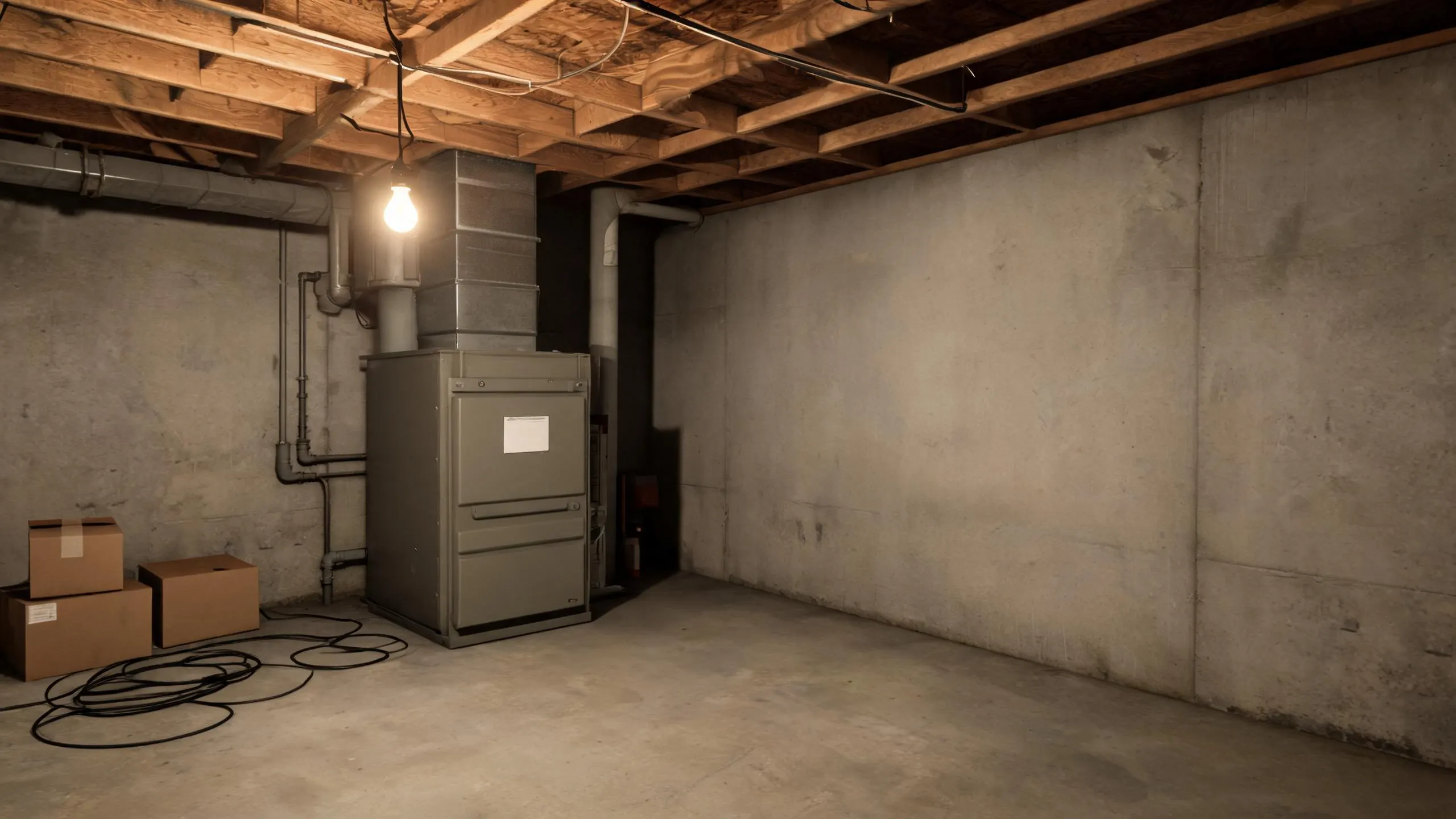
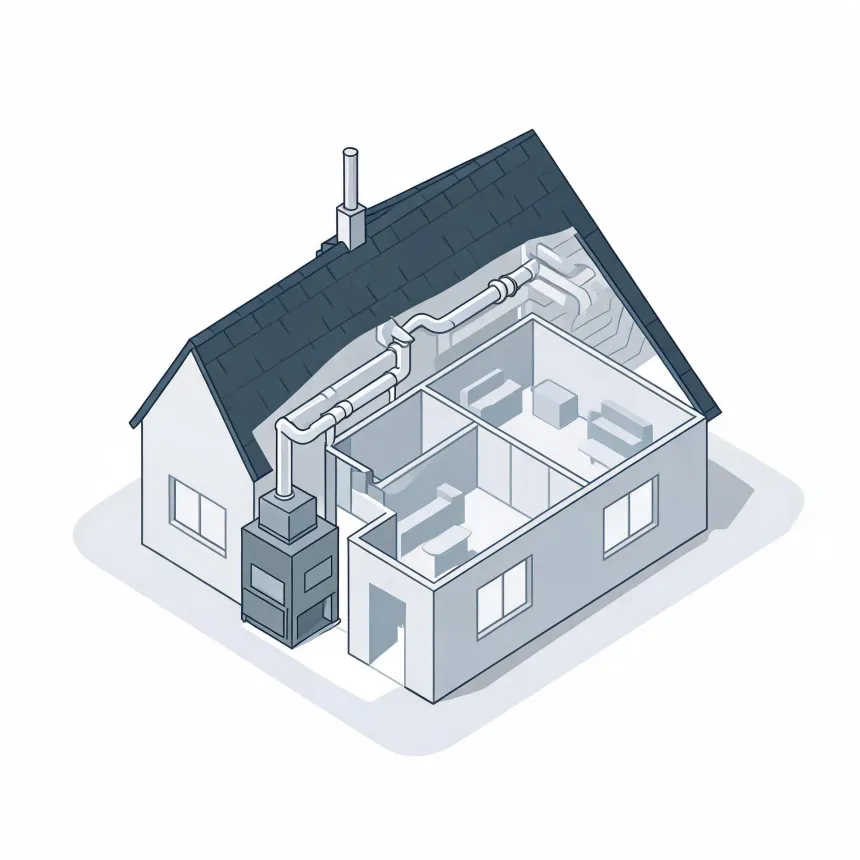
St. Louis asks for a full year of work from your system
Your furnace runs October through April, seven months, and your winter nights average 26°F. Your AC takes over May through September, five months, with afternoons averaging 87°F. That is twelve months where one system or the other is working to keep the house right.
Two thirds of homes here heat with gas, so the furnace does most of the winter work while the coil and compressor carry the summer load. New equipment has to be sized and installed to handle both ends of that swing, not just the season you're thinking about today.
- 7 months
- October through April, your system heats
- 5 months
- May through September, it cools
- 26°F
- the average winter night it heats against
- 87°F
- the average summer afternoon it cools against
NOAA nClimDiv, 1991–2020 normals
- When should I replace my HVAC system?
- Replace it when repairs start happening every year, or when it can't keep up anymore on the coldest nights or hottest afternoons. Around here that means holding steady through 26°F winter lows and 87°F summer highs without running constantly. If a technician tells you the heat exchanger or the compressor is failing, that's usually the point where replacing costs less over time than repairing again. An old system paired with a major breakdown is the clearest sign it's time.
- Should I replace my furnace and air conditioner at the same time?
- If both are old, yes, it usually makes sense to do them together. A furnace and AC installed at different times often weren't matched to work as a pair, and pairing new equipment with an old unit can mean it never runs at its rated efficiency. Homes here need heat seven months of the year and cooling five, so both sides of the system get real use. If only one has failed and the other is still young, a contractor can tell you whether it's worth waiting.
- What happens during an HVAC installation?
- A contractor removes the old furnace and or air conditioner, then sets the new equipment in place and connects it to the ducts, gas line or electrical circuit, and the condensate drain. The refrigerant lines get connected and the system is charged to the manufacturer's spec, then tested through a full heating and cooling cycle to check airflow and temperature. Any duct or venting issues found along the way usually get corrected as part of the job. The whole process is inspected before the crew considers it done.