How often to clean air ducts in Missouri

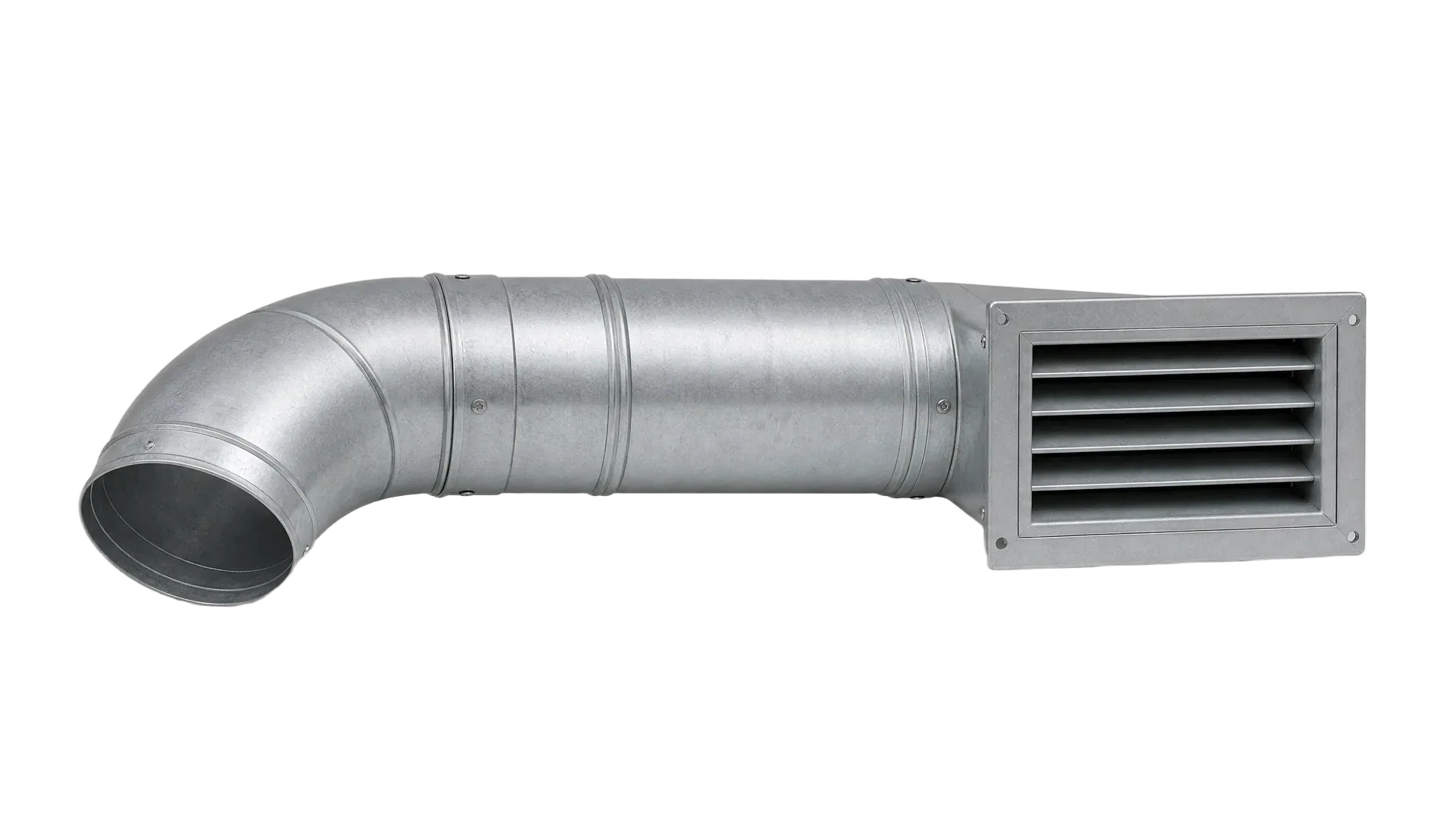
A galvanized metal round duct with a 90-degree elbow connected to a rectangular louvered vent grille, shown against a plain gray background.
Find a pro near me

Most homes in Missouri do fine with duct cleaning every 3 to 5 years. Muggy summers push humidity into the ductwork, and that moisture gives dust and debris something to cling to and mold a place to start. Gas furnaces add to it, since the blower pushes air through the same ducts most of the year and pulls that settled dust back into the house. If anyone in the home has allergies, or you've had work done on the ductwork recently, or you just moved into a house and don't know its history, cleaning sooner makes sense. If you can see dust coming out of the vents or notice a musty smell when the air kicks on, that's your sign regardless of when it was last done. Otherwise, the 3 to 5 year range is a reasonable schedule to work from.

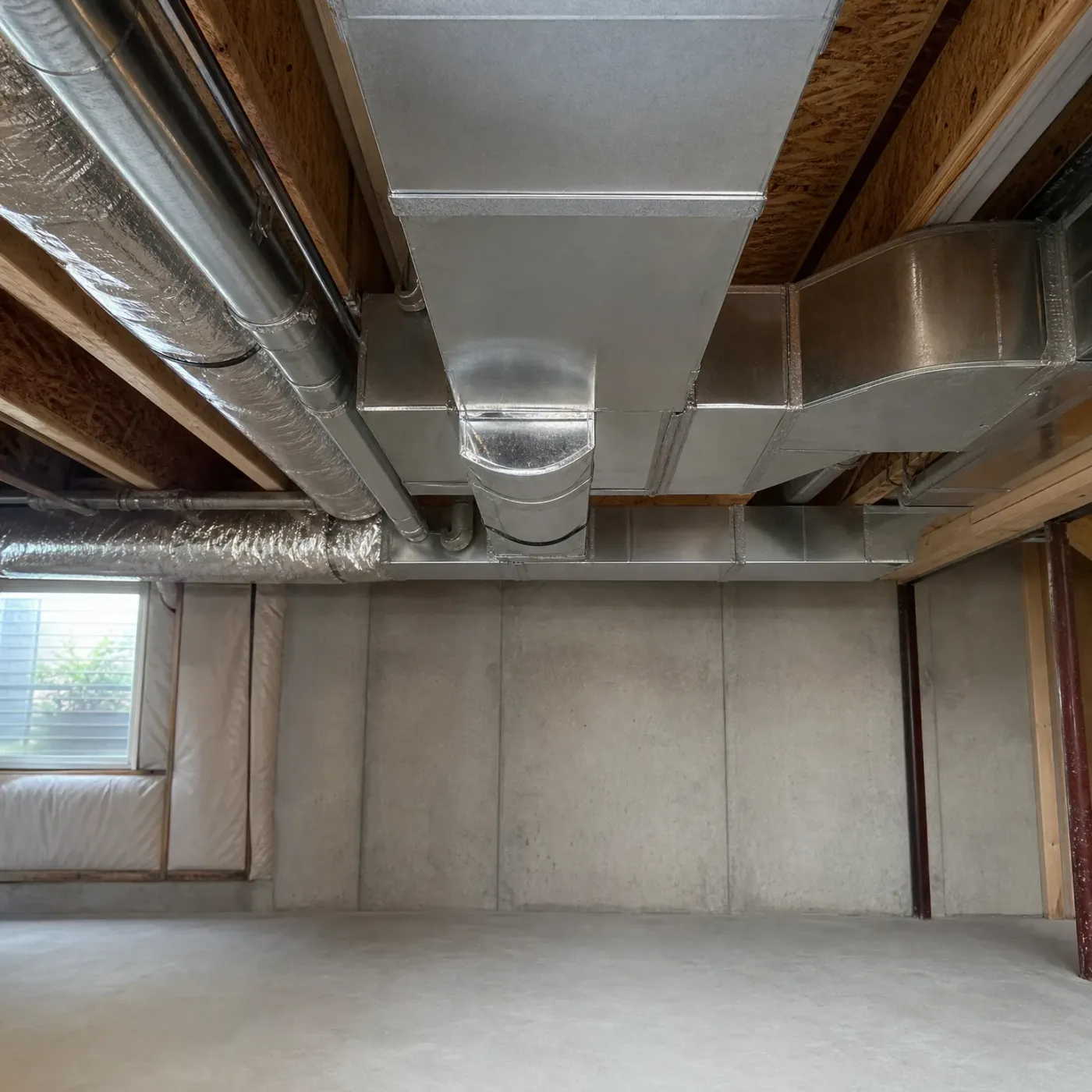
Empty basement room with bare concrete walls and floor, with exposed wooden joists, sheet-metal HVAC ducts, an insulated flexible duct, and pipes running across the ceiling.
Before you get your ductwork cleaning
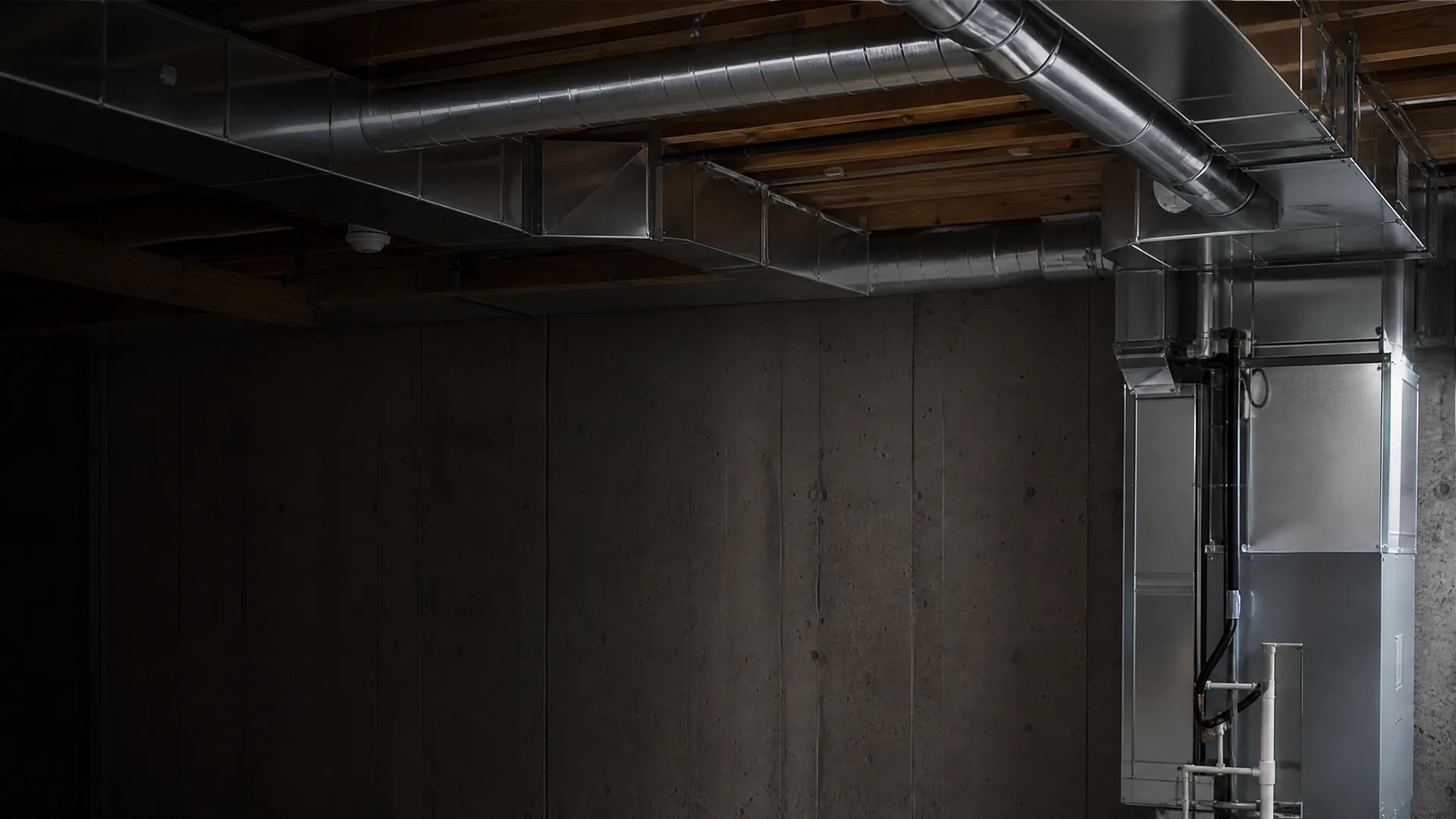
Empty unfinished basement with bare concrete walls and floor, showing galvanized sheet metal ductwork, insulated flexible duct, and pipes running along the wood-framed ceiling, with a small window at left.
After you get your ductwork cleaning

A contractor doesn't just stick a vacuum in the nearest vent and call it done. The job starts with a camera, so there's a real look at what's built up in your ducts before any equipment gets hooked up. From there, the duct system gets connected to negative pressure equipment, which pulls loosened material out rather than blowing it deeper into your home. Agitation tools do the actual work of knocking dust and pet dander off the duct walls while that suction is running, whether your ducts are metal or flex. The vents themselves get cleaned too, since dust settles at the register grilles just as much as it does inside the runs. Because most homes here run a gas furnace, the blower compartment and coil area usually get covered in the same visit, since that's the point where air gets pushed into every duct in the house. Before the contractor packs up, they'll check suction at each vent to confirm the ducts are actually clear, not just stirred up.

How a duct cleaning actually works

  • A duct cleaning starts with a camera inspection, so the contractor can see what's actually built up before touching anything.
  • Negative pressure equipment connects to the duct system so loosened dust and debris get pulled out instead of pushed further into your home.
  • Agitation tools knock dust and pet dander loose from the inside of the metal or flex duct walls as the vacuum runs.
  • Every supply and return vent gets cleaned too, since dust collects at the register grilles as much as inside the duct runs.
  • The blower compartment and coil area often get attention in the same visit, since that's where a gas furnace pushes air into the whole system.
  • A final check confirms suction at each vent, which tells the contractor the ducts are actually clear and not just disturbed.
An older man with gray hair and a beard stands in a dimly lit entryway wearing a dark hooded coat dusted with snow, with a lit table lamp, framed picture, and front door with glass panels behind him.
An older man with gray hair and a beard, wearing a dark snow-dusted jacket and scarf, stands smiling in a dimly lit entry hall with a lamp, wooden front door and staircase behind him.
A gray-haired bearded man in a dark coat with snow flecks on the shoulders stands just inside a dimly lit home entryway, with a lamp, framed pictures, sofa and candle-style lights in the background.
An older man with gray hair and a beard, wearing a dark coat and scarf dusted with snow, stands in a warmly lit home entryway with an arched doorway, lamps, and a living room visible behind him.

Matched to your ductwork job

One request and the duct cleaning stops waiting on you.

No fee to send it, and nothing to sign.

Humidity in Missouri doesn't just sit in the air. It settles into the ductwork too, and a gas furnace's blower moves that damp air through the same passages all winter long.

That steady cycle of moisture and airflow is what turns dust into buildup over a few years, which is why the 3 to 5 year window holds for most homes here, not just one season's worth of grime.

A woman with dark shoulder-length hair sits wrapped in a gray fleece blanket on a sofa with an open book on her lap, beside a lit lamp and a dark window.
A woman in a cream knit sweater sits in an armchair indoors, eyes closed and smiling, beside a window showing yellow and orange autumn foliage, with a mug on a wooden side table and shelves holding vases behind her.

If the ducts go too long

Dust builds up layer by layer along the duct walls, and in a Missouri summer that dust holds onto moisture instead of drying out. The furnace blower stirs it loose and pushes it through the vents into the rooms you breathe in. You might notice more dust settling on furniture between cleanings, or a musty smell when the AC first kicks on. Anyone in the house with allergies or asthma tends to notice first. The system itself has to push air through a narrower, dirtier passage, and that shows up as rooms that take longer to cool or heat evenly.

Staying on a cleaning schedule

Cleaning every 3 to 5 years keeps that buildup from turning into something worse. The ducts stay clear enough that air moves the way the system was designed to move it, room to room, without the blower working against a clogged passage. Vents blow cleaner air, which matters most during the stretch when the AC is running nonstop against Missouri humidity. It also means mold has less to take hold on, since the dust and debris that feed it get cleared out before summer's moisture has a chance to settle in and stay.

Power costs 13.30 cents per kilowatt-hour statewide

Cheap power here means running the blower more often doesn't hit your bill hard. That's worth knowing before you put off a cleaning, since a duct system choked with dust makes the blower work longer to move the same air.

EIA-861 2025 statewide residential average

What a Clean Duct System Means

  • Every 3 to 5 years covers most homes in Missouri, with gas furnaces and humid summers both pushing toward the shorter end of that range.
  • A duct system that goes uncleaned builds up dust that holds moisture and feeds mold rather than drying out.
  • A camera inspection before cleaning tells the contractor what's actually built up, so the work matches what your ducts need.
  • Negative pressure equipment pulls loosened debris out of the system instead of scattering it further into the vents.
  • Cheap power in Missouri means a blower working harder against clogged ducts won't show up as a painful jump on the bill.
  • Once you send the form, finding a contractor is off your plate, and someone who handles this will reach out to you.

Three to five years is the range that fits most houses in Missouri, and the reasons come down to what's already been covered: the humidity that settles into the ductwork each summer, and the gas furnace blower that pushes damp air through those same passages all winter. Left alone, that combination turns ordinary dust into a buildup that holds moisture instead of shedding it, and that's the kind of environment mold starts in. A contractor who shows up for this work starts with a camera, not a vacuum, so the cleaning matches what's actually sitting in your ducts rather than a guess. The equipment that follows pulls debris out under negative pressure, so it leaves the system instead of getting pushed deeper into a vent you breathe next to. None of this costs much to put right. Power is cheap in Missouri, so a blower working harder than it should against clogged ducts isn't the kind of thing that shows up as a jump on your bill, which means the ducts can go unnoticed longer than they should. That's the case for sticking to the schedule rather than waiting for a sign. Once you've decided it's time, the next step isn't tracking down a contractor and comparing bids on your own. Send the form, and that search becomes someone else's work, not yours. A contractor who serves your area and fits what your system needs will reach out, and from there you're no longer the one holding the question of who to call.
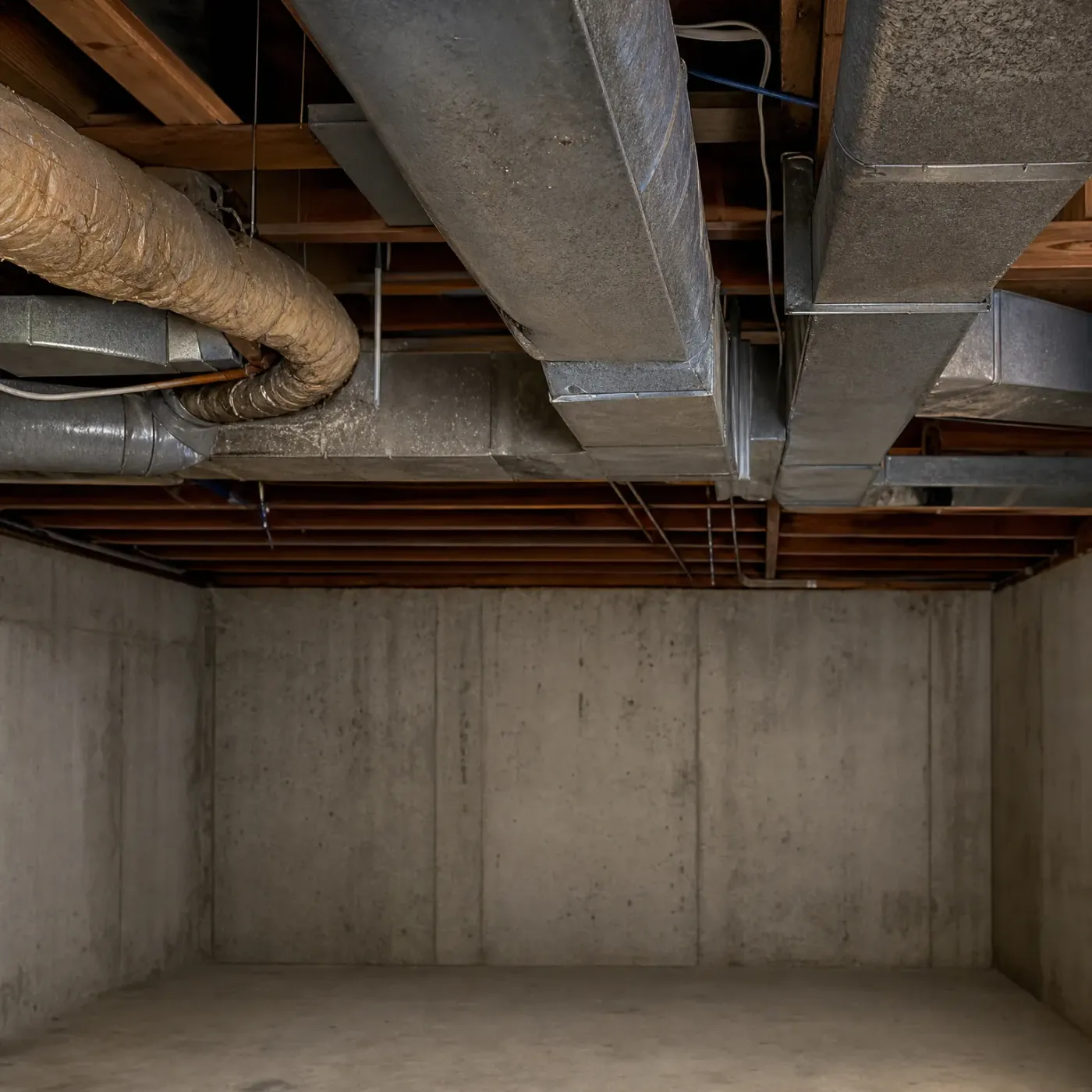
Unfinished basement with poured concrete walls, exposed wooden joists, and galvanized sheet-metal supply ducts and round pipes running along the ceiling to a furnace unit at right.

A duct system pro near you

Once you send the form, finding a pro is off your list.

Duct and vent cleaningDucts or ventsMissouri
Step 1 of 2

What ZIP code is the job in?