




Missouri HVAC Match
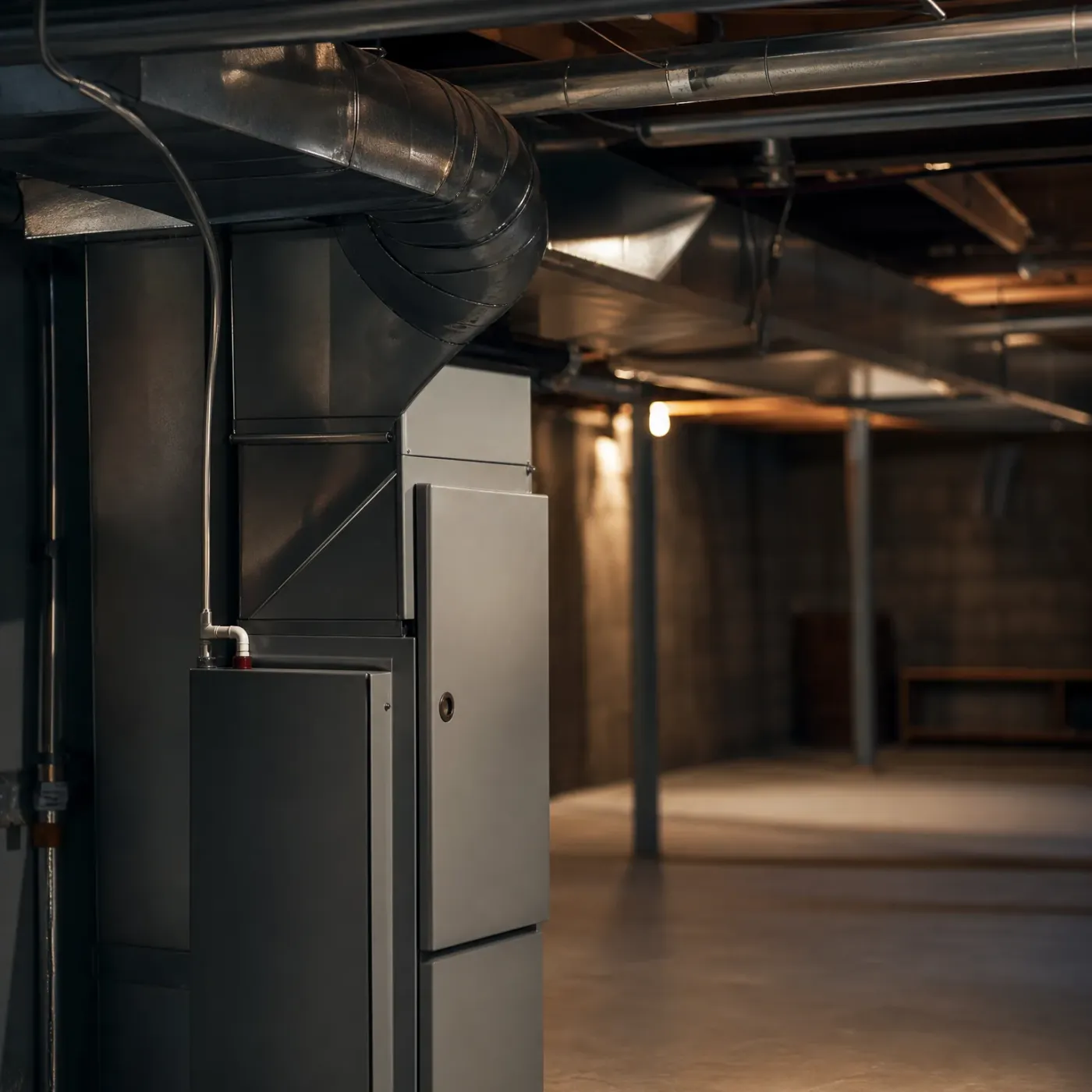
A basement interior with a gray furnace or air handler unit connected to large sheet-metal ductwork running along the exposed joist ceiling, with support posts and a concrete block wall in the dim background.

A pro who works on ducts

Is duct cleaning worth it in Missouri

Whether duct cleaning is worth it depends on what's actually in your ducts and how your system has been running, not on a flat yes or no. This page walks through when it tends to pay off and when it doesn't, so you can judge your own case. If you want a straight look at your ductwork, a licensed Missouri contractor who works on these systems regularly can take a look and tell you where you stand.

Connect with a pro

For most Missouri homes, duct cleaning is worth it when there's a clear reason behind it, not as something to do on a schedule. If you've had work done that left drywall dust or insulation debris in the system, or you've found rodent droppings or heavy dust buildup when you look in a vent, cleaning solves a real problem. Humid summers here mean ducts that stay damp, whether from a slow condensate leak or a system that's been oversized, can grow mold, and that's worth clearing out too. But if your ducts look and smell normal and nobody in the house has new or worsening allergy symptoms, cleaning them on a routine basis mostly just moves money, since gas heat and cheap power here aren't what drive your bill. The honest answer is it depends on what's actually sitting in your ducts right now.

A woman wrapped in a thick wool blanket sits in an armchair with an open book on her lap, beside a lit lamp and a frost-patterned window.
An older woman with short gray hair in a cream cable-knit turtleneck sweater smiles while looking to the side in a wooden kitchen, with a round loaf of bread on a board in the foreground and a lit candle by a dark window.

A real duct cleaning follows a specific order. A crew works a brush or whip down each branch line while a vacuum collector holds negative pressure on the whole system, pulling loosened debris out through the return side before it has a chance to resettle. The registers and grilles come off the walls and floors, since dust builds up in the boot behind them even when the duct line itself tests clean. A thorough job also opens the furnace blower compartment and wipes down the coil face, because that's where dust meets condensation and turns into a caked layer that a vacuum alone won't reach. What it doesn't touch is combustion. A gas furnace pulls its combustion air from a separate path, so cleaning the ductwork has no effect on a burner that's sooting up or a flue that's drafting poorly. And where you have flexible duct instead of sheet metal trunk line, in a crawlspace or attic, expect more dust per foot. The ridged interior of flex duct gives particles more surface to grab onto than smooth metal does.

How a duct cleaning actually works

  • A duct cleaning crew runs a brush or whip down each branch line to knock debris loose before a vacuum collector pulls it out through the return side.
  • The vacuum collector has to hold negative pressure on the whole system while the brushing happens, or loosened dust just resettles further down the line.
  • The supply registers and return grilles get pulled off and cleaned separately, since dust collects in the boot behind them even when the line itself is clear.
  • The furnace blower compartment and the coil face get included in a real cleaning, because that's where dust mixes with condensation and starts to cake.
  • A gas furnace draws combustion air separately from the air moving through your ducts, so cleaning the ducts does nothing for burner or flue problems.
  • Flexible duct runs in a crawlspace or attic hold more dust per foot than sheet metal trunk lines, since the ridged interior gives particles more to cling to.
An unfinished basement with bare concrete walls and floor, showing exposed wooden floor joists, pipes, wiring, and metal HVAC ducts with a vent grille overhead.
Before you get your ductwork cleaning
Unfinished basement with galvanized sheet-metal rectangular and round ductwork running along a wood-joist ceiling, two steel support columns, a small window, and a furnace unit against the far right wall.
After you get your ductwork cleaning
Unfinished basement with bare concrete walls and floor, showing exposed wood floor joists overhead with sheet-metal rectangular ductwork, insulated flexible ducts, and pipes.

Ducts running clean

This is what a duct system looks like when air moves through it the way it should. The trunk lines and flex runs stay clear, airflow reaches every room evenly, and the furnace or AC doesn't have to work past what it's rated for. Nothing in the joists above is blocking supply or return.


Basement ceiling with galvanized sheet metal rectangular ducts and round pipes running between wooden joists above a bare concrete wall and floor.

Ducts carrying debris

Here the same kind of trunk and flex runs are carrying dust, drywall grit, or worse along with the air. You might notice weaker airflow at the vents farthest from the unit, or dust settling faster than it used to. It's not always visible from the room, which is why the duct itself matters more than the symptom.

Power costs 13.30 cents per kilowatt-hour statewide

Cheap power doesn't mean a clogged system is free to run. At 13.30 cents a kilowatt-hour, a blower pulling harder through blocked ducts still adds up on the bill, even if the rate itself isn't what's driving it up.

EIA-861 2025 statewide residential average

A dim living room corner with a ceiling air vent, a curtained window showing blossoming trees, a table lamp and dark ceramic vessels on a wooden dresser, a potted plant, and a sofa in the foreground.

It's a Saturday afternoon in April, sun coming through the living room window, and you finally see it. The ceiling vent grille has a gray halo of dust around its edges, and the same dust has settled on the TV stand and the lamp shade below it. You run a finger along the grille and it comes back dark. You've dusted this room twice this month already. A system blowing that much dust into your living room has been doing it in every room you don't check as often. A local contractor who deals with this every spring can look at your actual ducts and tell you whether what you're seeing is worth cleaning out or something else.

Get your ductwork to the right pro

Your duct cleaning request goes to one local pro.

No charge to send it. You decide if you hire them.

Basement interior showing a furnace with sheet-metal ductwork, a round flue pipe and copper lines running beneath exposed wooden floor joists next to a plain light-colored wall.

What a gas furnace draws through

A gas furnace in a Missouri home pulls return air across the burner compartment and heat exchanger before pushing it back out through the supply ducts. If that return air is carrying dust and pet hair, it settles on the burners and the flame sensor first. A furnace running January through March with a dirty flame sensor can start short cycling, shutting off before the house actually warms up.

Interior corner of a building with a large blank white wall beside an unfinished ceiling showing wood joists, galvanized sheet-metal ductwork, and white and copper pipes.

What humidity leaves behind

Muggy summers push moisture into the duct system through the AC's return side, and that moisture is what lets dust clump instead of blow through. Clumped dust sticks to the inside of the ducts instead of settling out at the filter. Over a few summers it builds into a coating on the duct walls themselves, which is the kind of buildup a brush and vacuum setup is built to remove and a filter change never touches.

What's actually coming out of your vents?

Hold your hand near a supply vent when the system kicks on. If you feel a puff of dust, or you've noticed a musty smell when the AC first starts up on a humid day, that's air moving through the ducts before it reaches you. Check the return grille too. A thick layer built up on the slats, or dust that reappears within a day or two of wiping down furniture, usually means it's circulating rather than settling once. None of that is dangerous by itself. But if anyone in the house has allergies or asthma, that's the air they're breathing every time the furnace or AC runs, and a system pushing visible dust is worth a closer look.

Unfinished basement with galvanized sheet-metal ductwork and pipes beneath wood joists, a gray furnace unit at left, insulated plastic-covered walls over a concrete foundation, and a bare concrete floor.

Ductwork doing its job

This is a normal basement run. Metal trunk and branch lines overhead, nothing hanging off them, no staining around the seams. Air moves through on its way to the rooms above and the furnace in the corner isn't fighting anything to push it there.

Empty concrete-walled basement room with galvanized rectangular and round HVAC ducts and pipes running along the exposed wood-joist ceiling.

Ductwork worth a second look

Bare block walls, exposed joists, and duct runs you can walk right under and inspect. If a system like this has sat open to a construction job or a basement that floods, it's worth checking what settled inside the metal before you write off a cleaning.

A man with a duffel bag walks up a concrete path toward a white board-and-batten house where a woman stands in the open wooden front door, flanked by potted plants and black lanterns.

So is it worth it for your house?

If you've got a reason, dust rolling out of the vents, a smell when the AC kicks on, work that left debris behind, then cleaning the ducts is worth doing. If none of that applies, you're not missing anything by leaving the system alone. That's the whole answer, and it's one you can check yourself with your hand in front of a vent.

What's harder to judge from your living room is what's actually built into your branch lines, whether the trunk is sealed the way it should be, and what a brush and vacuum pass will realistically reach in your layout. A contractor who works on duct systems around Missouri every week can look at yours and tell you straight whether it needs the work or not. Getting matched with one means a single local contractor looking at your specific setup and calling you back, not a handful of companies working your number.

Interior corner with sheer white curtains at a window, a brown upholstered sofa in the foreground, and a wooden multi-drawer cabinet holding a round ceramic vase with leafy branches.
A smiling gray-haired man in a dark wool coat with snow flecks stands in a dimly lit home entryway, with a lit table lamp, potted plant, framed pictures and a living room visible behind him.
An older man with gray hair and a beard, wearing a snow-dusted dark coat and knit scarf, stands smiling in a dimly lit house entry with a lit lamp, mirror, and a living room with snow visible through the window behind him.
An older man with gray hair and a beard, wearing a dark snow-dusted coat and plaid scarf, stands smiling in a warmly lit hallway with a lamp, side table and glass-paned doors behind him.
An older man with gray hair and a beard, wearing a dark coat dusted with snow, stands in a home entryway with a lit lamp, a staircase railing, and a living room with large windows behind him.

Ductwork Cleaning

The right pro for this job

The pro who reaches out is licensed in Missouri.

A black smartphone standing upright against a plain light gray background, its screen filled with solid green.
Duct and vent cleaningDucts or ventsMissouri
Step 1 of 2

What ZIP code is the job in?