A duct system pro near you
Is duct cleaning worth it in St. Louis, MO
Duct cleaning gets pitched hard, and not every home needs it on a schedule. Whether it is worth paying for depends on what is actually in your ducts right now, not the calendar. This page gets into what duct cleaning does and does not fix, and what tends to make it worth doing in a St. Louis house. Send in your details and a contractor who handles this locally will reach out to look at your situation.
Find a pro near meFor most homes in St. Louis, duct cleaning is only worth it when there's a real reason to do it, not just because time has passed. Dust and pet hair build up in ducts everywhere, but that alone doesn't hurt your air or your system. What makes it worth paying for is something specific: visible mold near a vent, a rodent or insect problem in the ductwork, a renovation that left drywall dust in the system, or registers that blow out a noticeable cloud when the furnace kicks on. Summers here are long and muggy, and ducts that stay damp from condensation can grow mold rather than just collect dust, which is a different problem and a better reason to clean them. If none of that describes your ducts, cleaning them won't make your furnace run better or your air noticeably cleaner. If one of those things does describe your ducts, it's worth having someone look before you decide either way.
How many months is your duct system actually working?
Heat runs October through April
Your furnace pushes air through those ducts from October through April. Seven months of runtime moves a lot of dust through the same metal.
Cooling runs May through September
Then the AC takes over, May through September. Your ducts don't get a break between seasons, they just switch which equipment is pushing air.
Power here costs 13.27 cents per kilowatt-hour
At 13.27 cents per kilowatt-hour, a duct system that's restricted from buildup makes the blower work harder to move the same air, and that shows up on your bill.
NOAA nClimDiv 1991-2020 · EIA-861 2025
When cleaning actually helps
If your home has had rodents or a bird get into the ductwork, cleaning makes sense, since nobody wants that sitting in the lines your air passes through. Same if a renovation left drywall dust or sawdust coating the inside of the trunk lines. Visible mold inside the ducts is another real reason, though it also means something upstream is feeding it, usually a condensation problem at the coil or a duct that sits in a damp crawlspace. People with allergies or asthma sometimes notice a difference after a cleaning, especially if the ducts have gone years without attention. In any of these cases, the dirt or the contamination is specific and checkable, not assumed, and that's what makes paying for it worth it.
When it's probably not worth it
A light coating of dust on the inside of a duct, the kind you'd see if you shined a flashlight in through a vent, is normal after a few years of running a furnace and an AC through St. Louis summers and winters. It doesn't mean your air is dirty or your system is working harder. If nobody in the house has new or worsening allergy symptoms, if there's no smell when the air kicks on, and if a vent cover or two hasn't shown mold or pest activity, cleaning the ducts is unlikely to change anything you'd notice. Swapping the filter on schedule does more for the air moving through your home than a one-time duct cleaning will.




How a duct cleaning actually works
- A duct cleaning crew runs a vacuum collection unit on one end of the system and agitates the duct walls with brushes or air whips.
- The agitation knocks loose dust, debris and pet hair stuck to the metal so the vacuum can pull it out before it resettles.
- Every supply and return run in the house needs to connect to the vacuum, or dust just shifts from one branch to another.
- The furnace and AC coil sit between the return and supply sides, and a thorough job includes cleaning those too.
- Registers and grilles come off during the job since debris collects behind them where a cleaning wand alone cannot reach.
- A sealed system holds onto what gets loosened, so leaky duct joints let some of that dust escape into the walls instead of the vacuum.
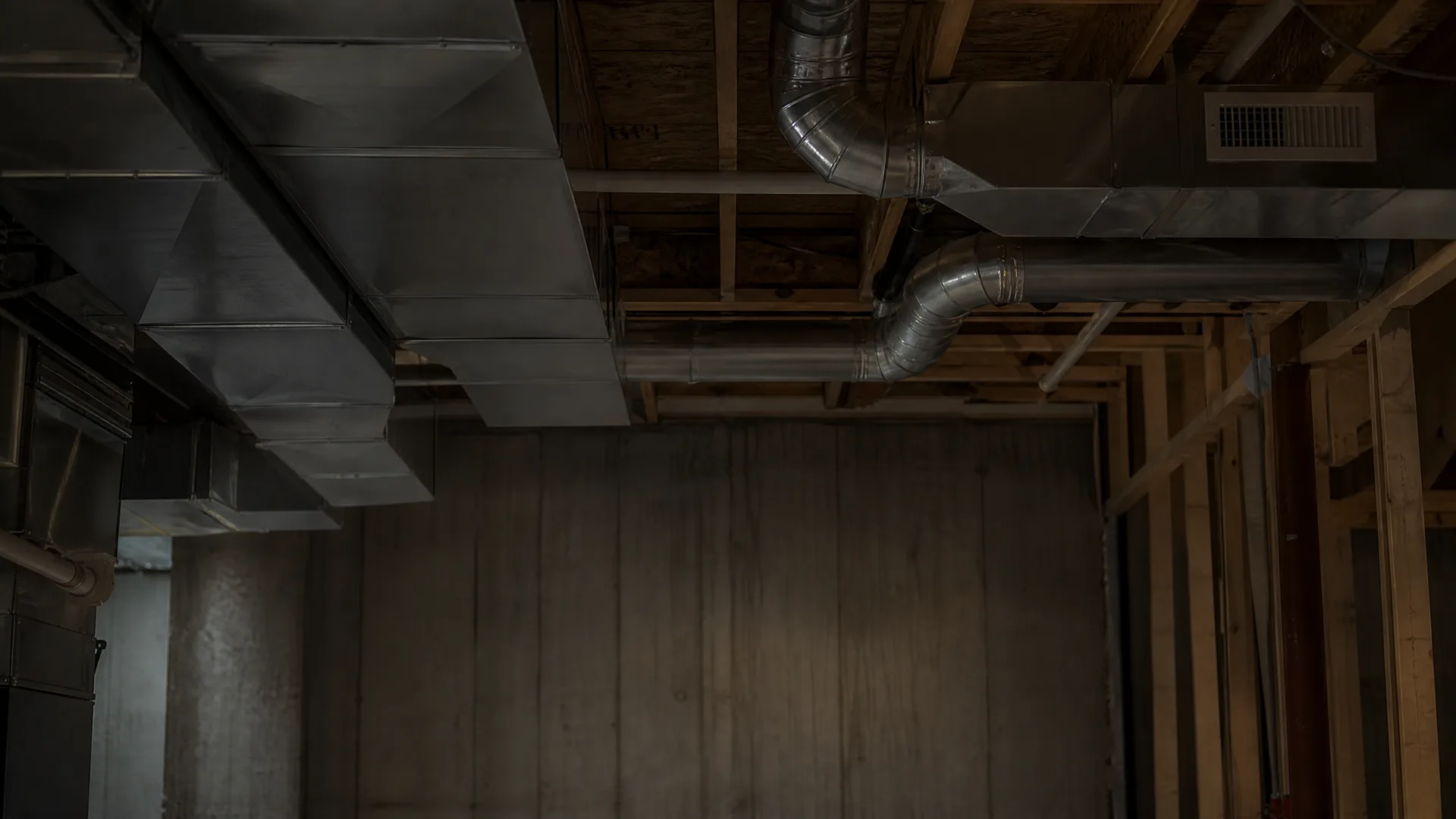
A crew doing this right hooks a vacuum collection unit to the duct system and works it from there, usually at a central point where the main trunk lines meet. Then they go branch by branch with brushes or compressed air whips, knocking the dust and pet hair off the duct walls so it doesn't just sit there. The vacuum has to be pulling the whole time this happens, or what gets knocked loose settles a few feet down the line instead of leaving the house. This only works if every run connects back to that vacuum. A crew that cleans half your supply lines and skips the returns has moved dust around, not out. The furnace and the AC coil sit in the middle of all this, between the return side and the supply side, and a job that skips them has skipped the part of the system air actually passes through twice a day. Registers and grilles come off the walls and ceilings too. Debris collects right behind them, in the boot where the register connects to the duct, and a wand working from inside the duct can't always reach back that far. What this depends on is a sealed system. If the duct joints are leaking, and plenty of them are, some of what gets agitated loose escapes into the wall cavity or the space above the ceiling instead of making it to the vacuum. That's not a failure of the cleaning itself, but it's worth knowing before you expect the job to pull out every bit of what's in there.


Ducts don't wear out from dust sitting in them. The metal doesn't corrode from it and the airflow doesn't drop unless the buildup is heavy enough to narrow the duct itself.
So the question isn't whether there's dust in there. There almost always is. It's whether what's in your ducts right now is enough to matter, and most of the time it isn't.


Get matched with a duct system pro in St. Louis
Send the form and finding a duct cleaner is handled.
Your request goes to a St. Louis pro who takes ductwork jobs.
Sending the form costs nothing.
Does Your Duct System Need Cleaning
Worth cleaning
- A rodent or bird got into the ductwork at some point, and what's left behind doesn't belong in air you breathe.
- A renovation left drywall dust or sawdust coating the inside of the trunk lines, not just a thin film on the register covers.
- Visible mold growth inside the ducts, not just a musty smell, which needs more than a vacuum pass to deal with properly.
- Registers are blowing out enough debris that you can see it land on furniture or the floor near the vent.
- Someone in the house has allergies or breathing trouble and the buildup inside the ducts is heavy, not light dust.
Not worth cleaning
- Routine dust and pet hair have built up over the years with no bigger problem behind it.
- Your system runs fine, airflow is even room to room, and nothing smells off when the furnace or AC kicks on.
- The ducts have never been opened up to pests, water, or renovation debris since the house was built.
- You're scheduling it because it's been a while, not because something specific pointed to it.
- A thin coat of dust on the duct walls doesn't corrode the metal or choke airflow on its own.
What a dusty vent cover tells you
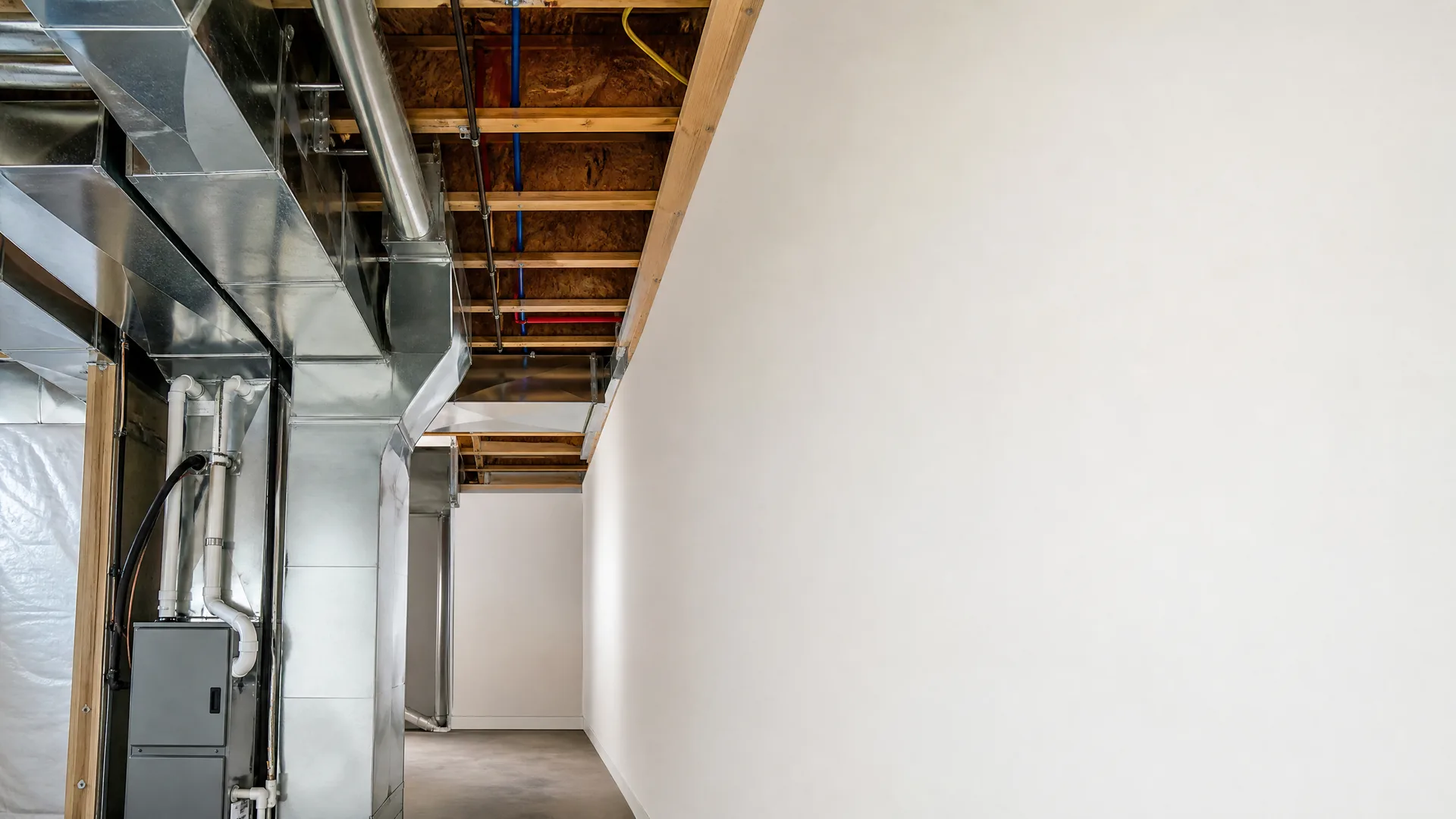
A gray film on your register covers is normal and doesn't mean the ducts behind them need cleaning. What matters more is what you notice when the furnace or AC kicks on. If a room gets a puff of dust when air starts moving, or someone in the house has started sneezing more right after the system cycles on, that's worth paying attention to. It points to something loose and heavy sitting in the trunk line, not just surface dust on metal.
What it puts at risk if skipped
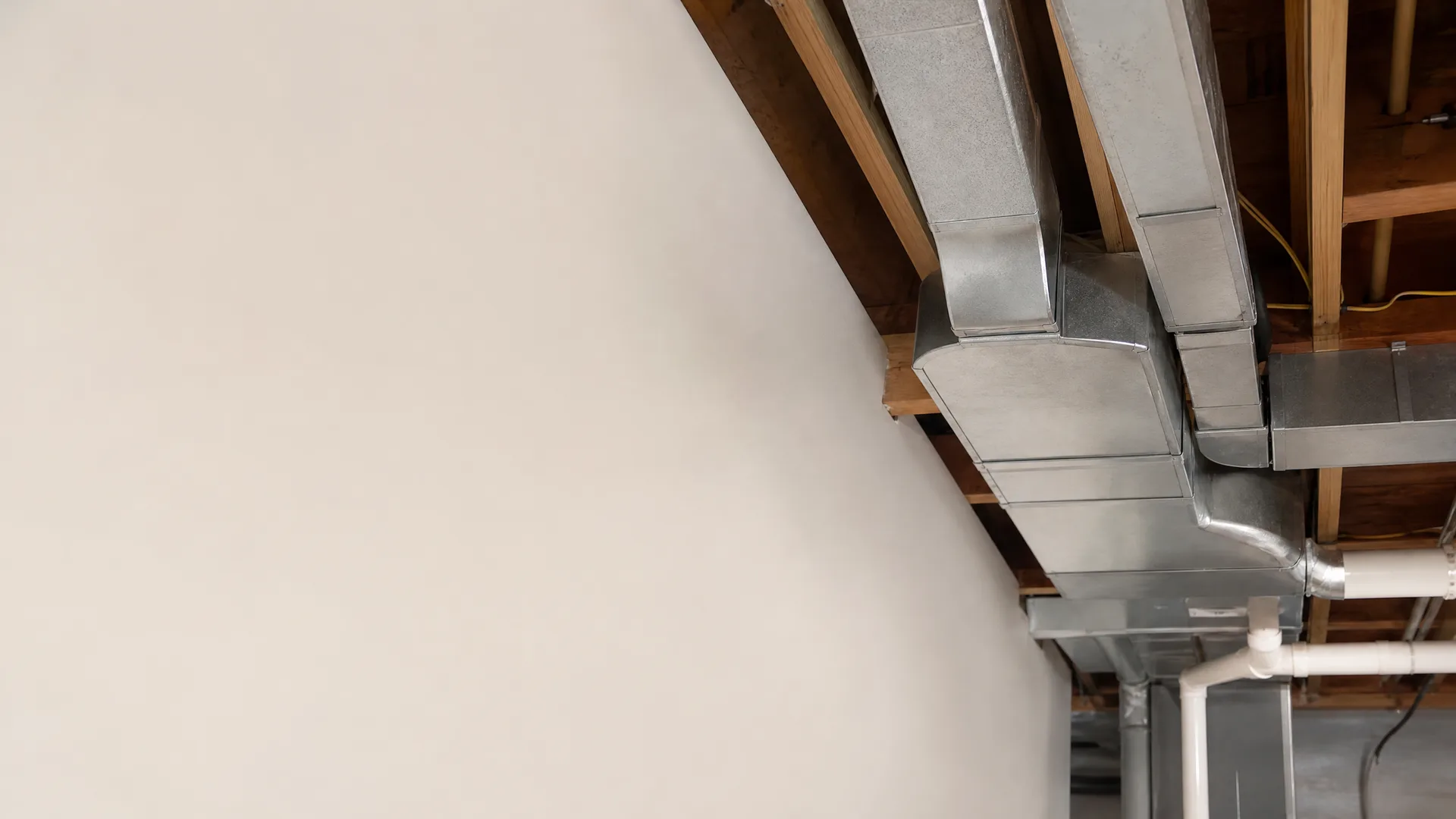
Skipping a cleaning you don't need costs you nothing. But if your ducts are carrying something like drywall dust from a renovation or droppings from a rodent that got in, leaving it alone means that material keeps circulating through your house every time the furnace runs this winter or the AC runs next summer. It doesn't damage the ductwork itself. The risk is to the air coming out of your vents, not to the system pushing it.
Will cleaning the ducts get rid of the dust for good?
Will cleaning the ducts get rid of the dust for good?
No, dust comes back because it's still getting into the system
A cleaning clears out what's already built up, but it doesn't change what's feeding it. If your filter is old or the wrong size for the slot, dust keeps getting pulled into the ducts right after. Pets shed, people track in dust, and the return air picks it up the same way it did before. A few weeks after a cleaning, a thin film starts showing on the register covers again, and that's normal. What a cleaning fixes is what's already sitting in the ducts, not what's still coming in. Checking the filter and swapping it on a regular basis does more to keep the dust down long term than another cleaning would.

A tech seals off supply and return vents except for one access point.
A vacuum collection unit connects to the duct system and pulls negative pressure.
Brushes or air whips run through the ducts to knock debris off the walls.
Loosened dust and debris get pulled into the vacuum before they resettle.


Heat runs October through April
Seven months of furnace air pass through the same ducts every year, October through April. That's long enough for dust to build up on the duct walls, but it's also airflow that would carry loose debris back out if there were a lot of it. Steady use isn't a reason to clean on its own.
NOAA nClimDiv 1991-2020

So is it worth it
For most homes around St. Louis, the answer is no, not on its own. Dust sitting in ducts doesn't hurt your furnace or your air. What's worth paying for is a specific problem: a rodent or bird that got in, a renovation that left dust coating the trunk lines, or a dusty puff out of the vents every time the system kicks on. If none of that describes your house, the money is better spent elsewhere.
If one of those does describe your house, the next step isn't figuring out which company to call or whether the quote you get is fair. Submit your information and a contractor who handles duct cleaning in your area will reach out to you directly. You'll have someone who can look at what's actually in your ducts and tell you straight whether cleaning is the fix, instead of guessing from a vent cover.

A local pro for your ductwork cleaning
One request and the duct cleaning stops waiting on you.