Why your AC vents are sweating in Missouri

RepairCentral ACMissouri
Step 1 of 2

What ZIP code is the job in?

Sweat on your AC vents means the air coming out is colder and more humid than the air around it, so moisture in the room is condensing right on the metal, the same way it beads up on a cold glass. With Missouri summers running thick with humidity, the air near a vent can hold a lot of moisture, and once that air touches a cold duct or register it has nowhere to put the water but onto the surface. A clogged filter, a duct that is not sealed right, or a vent blowing straight into a humid room can all make it worse. Left alone, that moisture does not stay put. It drips onto drywall or soaks into insulation, and over time that means a stained ceiling or a patch of mold you cannot see yet. It is a small problem now. It does not stay small on its own.

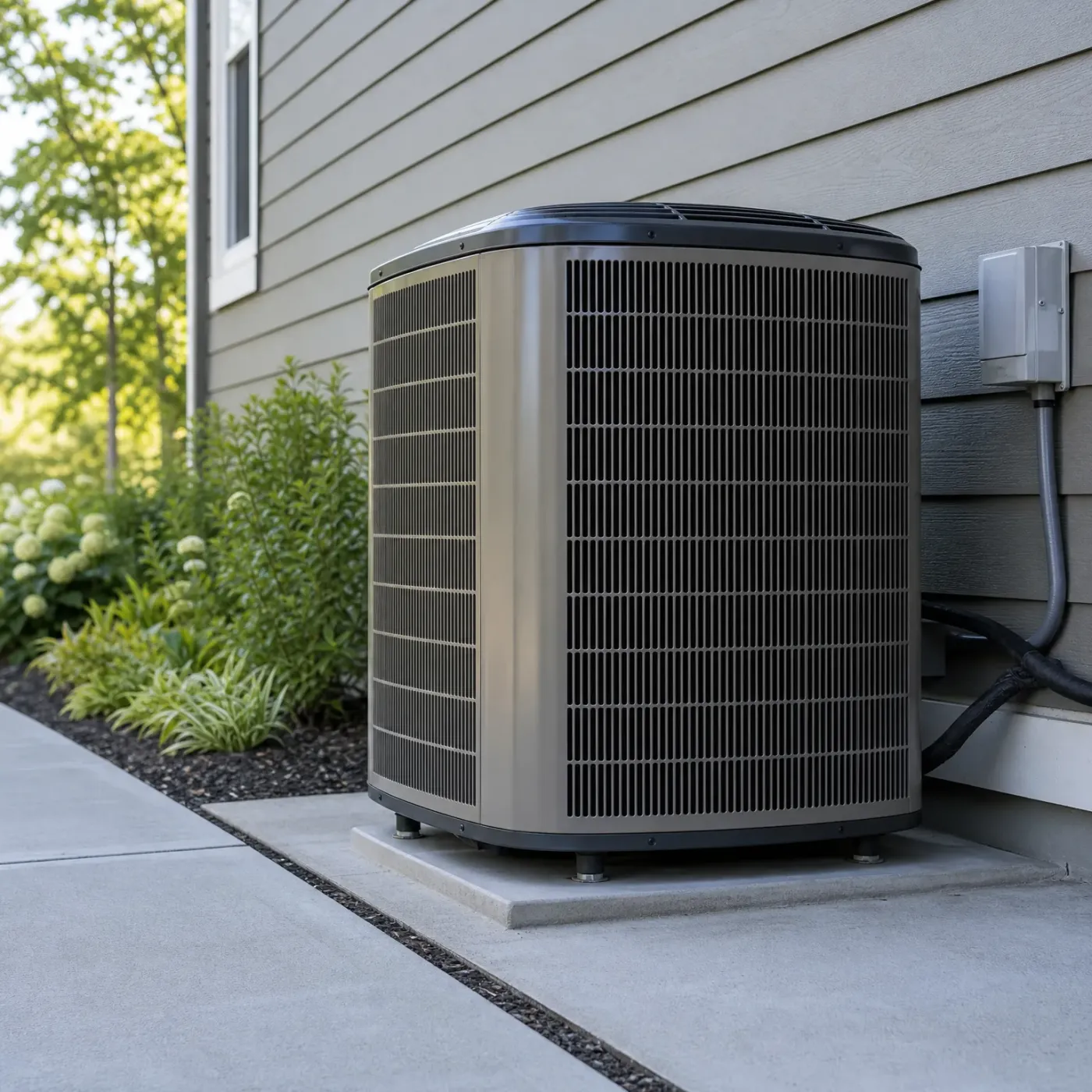
A gray outdoor air conditioner condenser unit on a concrete pad beside a house with horizontal lap siding, with a wall-mounted disconnect box and conduit to its right and shrubs to the left.

Vents running dry

No moisture on the metal, no drip at the register. The duct is insulated well enough that the cold air inside never touches warm air directly, so nothing condenses. This is how every vent in the house should look, even in August.

An outdoor air conditioning condenser unit on a concrete pad beside a house with horizontal lap siding, with a conduit and electrical disconnect box on the wall at right.

Vents sweating steadily

Water beads on the register and sometimes drips onto the ceiling or wall around it. That usually means the insulation around the duct has worn thin or come loose, or the coil guard outside is caked with enough dirt and age that the system is struggling to move air the way it should.


A woman in a gray turtleneck sweater stands by a window looking outside at snowy ground, with a dimly lit living room containing a sofa, shelves, lamp and a lit candle behind her.
A woman in a cream cable-knit turtleneck sweater stands in a warmly lit living room with a fireplace and shelves behind her, looking out a window toward snow-covered trees and a railed deck.
A woman in a cream knit turtleneck sweater stands by a window looking out at snow, with a lit fireplace, sofa and lamp in the room behind her.
A woman in a gray knit sweater sits by a window looking out at falling snow, with a dimly lit living room containing a sectional sofa, pillows, a lamp and houseplants behind her.

Why it starts at the register

The air inside the duct right at the vent is the coldest it will ever be, usually somewhere near 55 degrees. That metal boot sits exposed in the room, so it cools faster than the duct running through the attic or the joists. Once the metal drops below the dew point of the air around it, moisture has to go somewhere, and it lands on the vent first. By the time that same air has moved a few feet into the room, it has warmed enough that nothing else in the house sweats the same way.

What an insulated duct does differently

A duct wrapped in insulation never lets the cold surface touch the warm, damp air in the room. The insulation is the barrier, not the metal. Where that wrap is thin, torn, or missing a seam at the vent boot, the cold reaches the surface and the room's humidity meets it there. That is why sweating often shows up at one register and not the others. It is not a sign the unit is cooling too well. It is a sign of where the duct lost its covering.


A bearded man in a blue and brown plaid flannel shirt stands indoors looking out a window at snow-covered trees, with a ceramic mug on the windowsill.
A man in a blue T-shirt sits on a light gray sofa, laughing while looking at an open laptop in the foreground, with a framed picture, lamp and potted plant behind him.
An outdoor air conditioning condenser unit on a concrete pad beside a house with horizontal lap siding, with a gray electrical disconnect box and conduit on the wall and green shrubs and trees to the left.

Get the right pro for your air conditioner

Send the request today and stop worrying about who to call.

A local pro who knows air conditioners gets your details and gets in touch.

I'm done searching

Asking costs nothing, and the choice to hire stays yours.

Fix the Sweat or Wait It Out

Fix it now

  • A sheet metal shop or contractor can wrap the duct near the vent with insulation in under an hour, and the sweating stops once the metal can't lose its heat to the room air.
  • If the filter is dirty or a return is blocked, airflow drops and the coil runs colder than it should, so swapping the filter can raise the vent temperature a few degrees on its own.
  • A low refrigerant charge makes the coil colder than normal, and a contractor can check the charge and seal any leak so the coil runs at the temperature it was built for.
  • Closed or blocked vents in unused rooms push more cold air through the ones still open, so opening them back up can bring each vent's airflow back to where it belongs.
  • Sealing the duct boot where it meets the ceiling or floor keeps warm, humid attic or crawlspace air from mixing with the cold air inside, which is often where the drip is actually coming from.

Let it ride

  • Water dripping from a vent onto drywall or a ceiling joist will eventually stain or soften it, and that damage doesn't show up until well after the moisture caused it.
  • A duct that sweats steadily is sitting at the dew point of the room air around it, and that same moisture is condensing somewhere else in the duct run too, just out of sight.
  • Standing or dripping water near a vent gives mold something to grow on, and once it's inside the ductwork it gets carried through the house every time the blower runs.
  • Letting a dirty filter or blocked return go unaddressed keeps the coil running colder than it needs to, so the sweating is a sign the system is working harder than it should.
  • A small drip ignored through one Missouri summer tends to come back worse the next, since the gap in the insulation or the seal doesn't close up on its own.
A gray outdoor air conditioning condenser unit on a concrete pad beside a house with horizontal siding and a stone veneer base, with a wall-mounted disconnect box and conduit, next to a shrub bed and a concrete patio.

A dry vent, a sound unit

Outside, the condenser sits clean on its pad, fan grille clear, disconnect box wired tight to the wall. Nothing blocking the airflow around it. A unit running like this is pulling heat out of the house the way it should, and inside, the vents stay dry.

An outdoor air conditioner condenser unit on a concrete pad beside a house with light gray vinyl siding, with a gray electrical disconnect box and conduit on the wall, gravel beds and dried plants nearby, and a concrete sidewalk in the foreground.

A unit that's been neglected

This condenser is older, the housing weathered, gravel bed choked with dried weeds pressing against the cabinet. Weeds and debris crowd the coil and cut off airflow the unit needs to shed heat. Starve it outside, and the vents inside start sweating.


A weathered outdoor air conditioner condenser unit on a concrete pad beside a house with horizontal vinyl siding, with a conduit and disconnect box on the wall to the right.
Before you get your air conditioner repair
A gray outdoor air conditioning condenser unit on a concrete pad beside a house with horizontal lap siding, with a conduit and electrical disconnect box on the wall and a green shrub in mulch to the right.
After you get your air conditioner repair

Power costs 13.30 cents per kilowatt-hour statewide

At 13.30 cents per kilowatt-hour, running your AC a little harder to fix the real problem won't hit your bill the way it would in a state with pricier power. A sheet metal shop wrapping the duct near a sweating vent costs more in the visit than in the electricity your system uses after.

EIA-861 2025 statewide residential average

  1. Humid room air reaches the cold metal register and duct surface

  2. Moisture in that air condenses on the metal, just like a cold glass

  3. Water beads up and collects until it starts to drip

  4. Insulating the duct near the vent stops the metal from getting cold enough to sweat

A woman in a cream sweater and jeans stands in the open doorway of a white stucco house, holding the dark door, while a man in a dark quilted jacket seen from behind walks toward the entry past potted plants.

Sweating vents have a cause, and it can be fixed

A sweating vent is telling you the metal is colder than the air around it. That's the whole problem, whether it shows up as a damp ring on the ceiling or a steady drip onto the floor. Insulating the duct where it meets the register, sealing a leaky boot, or clearing whatever's cutting your airflow all address the same thing from different angles, and a contractor who's looked at the vent in person will know which one your house needs.

You don't have to figure out which fix applies before you ask for help. Once you send the request, a licensed contractor serving your area gets your details and reaches out to you directly, so you're not the one tracking down who's available or explaining the problem twice. That part of it is off your plate.

A gray upholstered sofa with a matching cushion sits beside a potted plant and a wooden table holding a small green plant in a stone pot, near a curtained window.
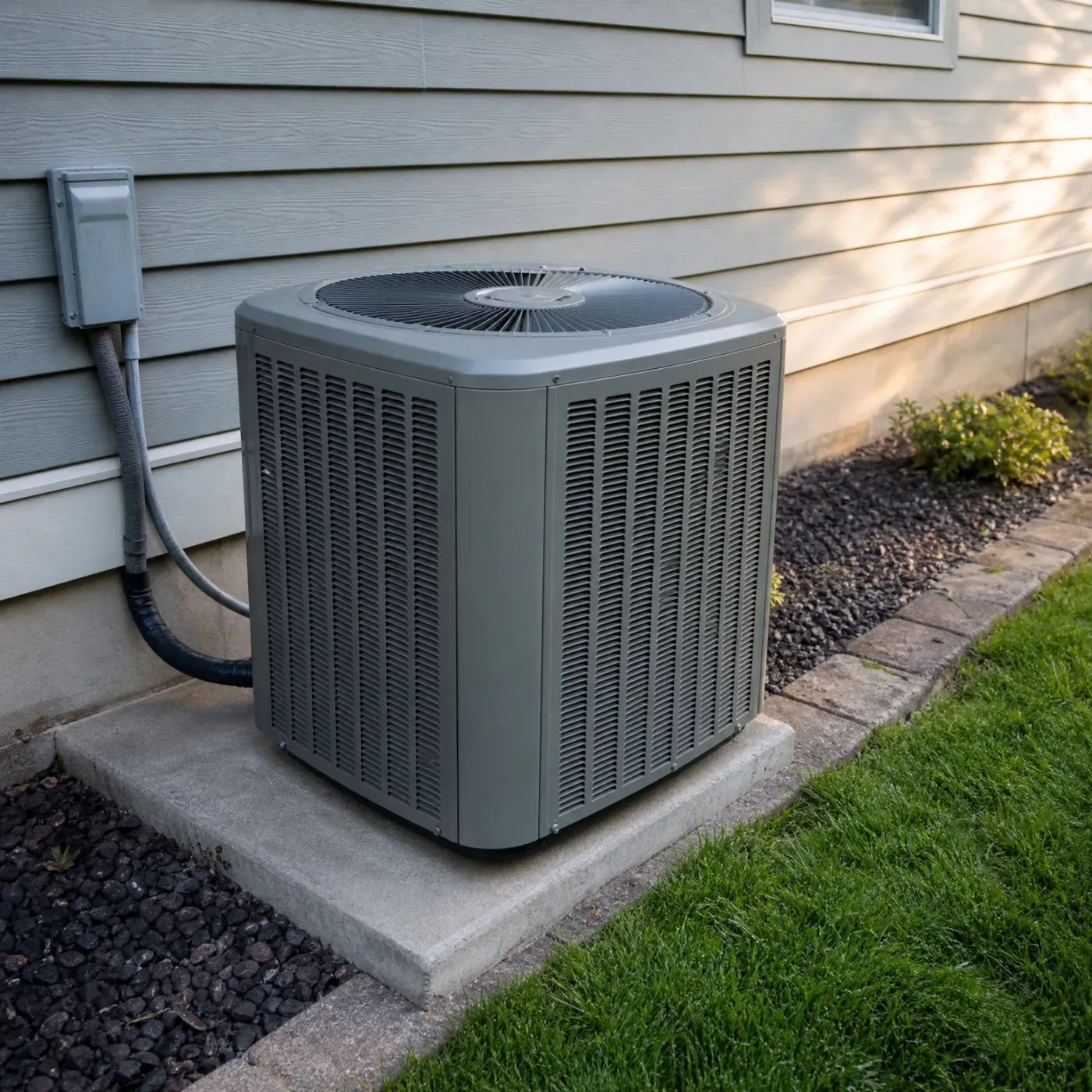
A gray outdoor air conditioning condenser unit on a concrete pad beside a house with horizontal lap siding, with a wall-mounted disconnect box and conduit, lava rock mulch, a shrub, and grass nearby.

A pro who works on air conditioners

Hand it over

Send it once and finding someone is no longer on you.

No fee to send it, and nothing to sign.