Why your furnace rattles in Missouri

RepairFurnace or heatingMissouri
Step 1 of 2

What ZIP code is the job in?

Why does my furnace rattle?

A furnace that rattles when it kicks on or while it's running is easy to ignore until it isn't. You've got a Missouri winter ahead and a gas furnace that's suddenly making a noise it didn't make last year. Most of the time the cause is mechanical, something loose or worn working itself free, and it tends to get worse, not better, the longer the furnace keeps running.

Usually a loose panel or a failing blower part

Most rattling starts with the furnace cabinet itself. The metal access panels can work loose from the vibration of normal operation, and a panel that isn't seated tight will buzz or rattle every time the blower kicks on. If the sound is deeper or comes and goes with the blower speed, it's more likely a blower wheel that's come loose on its shaft, or a motor mount that's worn out. Loose ductwork connections can do it too, especially where a duct run meets the furnace cabinet. None of these fix themselves, and a blower wheel that's working loose can eventually hit the housing or throw itself off balance, which turns a rattle into a bigger repair.

A gray high-efficiency furnace with two PVC vent pipes stands in an unfinished basement beside sheet-metal ductwork, a framed and plastic-covered wall, and a bare concrete wall with vertical pipes.

A rattle that's just loose metal

A rattle that only shows up when the blower kicks on is often a panel or a duct connection that's worked itself loose. The sheet metal ductwork flexes as air moves through it, and a screw that's backed out lets that panel buzz against the frame. It's a quick fix once someone's eyes are on it.

A gray furnace cabinet in a basement, connected to galvanized sheet-metal ductwork and white PVC pipes, against a concrete wall with exposed metal piping and insulation overhead.

A rattle that means something's failing

A rattle that's louder, or that happens as the furnace shuts off, can mean the blower wheel is out of balance or a mounting bracket has cracked. Left alone, that kind of vibration works on other parts nearby, including the ductwork and the gas line connections above it.

Is this rattle something to worry about?

You hear it most when the furnace first fires or when the blower ramps up, a buzz or a shake that wasn't there last winter. Maybe a panel hums against the cabinet, or there's a rattle that comes and goes with the flame. If it's just a loose panel, nothing's at risk but your patience. But if the rattle comes from the burner assembly or the inducer motor, that's the furnace telling you a part is working harder than it should, and a part that's failing can take the heat exchanger down with it. A cracked heat exchanger lets exhaust mix with the air moving through your house. That's not a sound to wait out through a Missouri winter.

A gray furnace cabinet in a basement with sheet-metal ductwork, white PVC vent pipes, and black gas piping against a concrete wall and wood-framed partition on a bare concrete floor.
A furnace like this one running quiet means the blower, the panels and the duct connections are all seated the way they should be.
A gray metal furnace with two white PVC vent pipes stands on a concrete floor beside galvanized sheet-metal ductwork in a basement or utility space with wood framing.
Rust on the cabinet and a plenum that's been patched over time are often where a new rattle starts, not just old age.

A gas furnace fires in a set order, and a rattle often means a step in that order is off. The thermostat calls for heat, the inducer motor spins up first to pull air through the heat exchanger and vent it out, and a pressure switch checks that the inducer is actually moving air before anything else happens. Only then does the igniter glow and the gas valve open, and once the burners light, the blower kicks on a short delay later to push warm air through the ducts. A rattle right when the inducer starts is usually that motor's wheel, loose on its shaft or worn at the bearing. A rattle that waits until the blower kicks in is further downstream, at the blower wheel or a panel the moving air is shaking loose. The gap between those two moments, the few seconds before the blower delay ends, is how you tell which part of the sequence is making the noise.

A woman with shoulder-length brown hair wearing a beige knit cardigan sits in a gray upholstered armchair near a window, looking off to the side with a slight smile, with bookshelves blurred in the background.
A woman with her hair in a bun holds a sleeping young child against her chest, both wrapped in a textured beige knit blanket on a sofa in a dimly lit room with a lamp, framed picture, and bookshelf behind them.

A furnace fires in steps, and most rattles trace back to one step not happening the way it should. The igniter has to prove it's glowing before the gas valve opens, and a weak one can delay that light-off enough to bang in the burner compartment. Once lit, the flame sensor has to read that flame fast. If it's dirty, the valve cycles on and off rapidly instead of holding steady, and that reads as a rattle at the cabinet. Past that point it's mostly moving parts wearing down. The blower wheel is balanced for the ductwork it runs, so a bent fin or a buildup of dust throws it off enough to shake the housing. The inducer motor spins on bearings that wear with every cycle, and a worn bearing lets the shaft wobble. Even the mounts holding the blower or motor to the frame can back out over time, letting the whole assembly vibrate loose. A cracked or corroded heat exchanger can hum as it expands with heat, since the metal no longer flexes the way it did when new.

What's actually happening inside

  • The igniter has to glow and prove it before the gas valve opens, and a cracked or weakening igniter can cause a delayed light-off that bangs in the burner compartment.
  • The flame sensor reads the burner flame within a second or two, and if it's dirty or misreading, the furnace cycles the gas valve on and off rapidly, which sounds like a rattle at the cabinet.
  • The blower wheel spins at a set speed for the ductwork it was matched to, and a bent fin or buildup on the wheel throws it off balance enough to shake the housing.
  • A heat exchanger that's cracked or corroded can hum or buzz as it expands with heat, since the metal is no longer flexing the way it did when it was new.
  • The inducer motor's bearings wear over thousands of cycles, and a worn bearing lets the motor shaft wobble slightly, which reads as a rattle through the cabinet.
  • A loose blower mount or a motor mount that's backed out lets the whole assembly vibrate against the frame every time it spins up.
An older metal furnace with a louvered front panel stands against a concrete basement wall, connected to sheet-metal ductwork and a flue pipe, with copper and steel pipes running alongside.
Before you get your furnace repair
A beige high-efficiency furnace stands on a concrete basement floor beside sheet-metal ductwork, with white PVC vent pipes and a gas line running along an insulated wood-framed wall.
After you get your furnace repair

Why it matters more in winter

Your furnace runs for hours at a stretch on the cold nights, not in short bursts like it does on a mild day. A loose panel or a worn inducer bearing that only ticks for a few minutes in October will rattle the whole time the furnace runs in January. The parts that cause a rattle are also parts that wear with use, so a system putting in long hours all winter gives a small problem more chances to get worse, and more hours for you to hear it.

Why gas furnaces rattle, not just hum

A gas furnace has more moving and igniting parts than the blower-only systems some homes run, which is part of why a rattle shows up here and not just a hum. The inducer motor, the gas valve opening, and the burners firing all happen in sequence before the blower even starts, and each step can introduce its own vibration. A rattle that lines up with one of those steps, rather than running the whole cycle, often points to which part in that sequence is loose or wearing out.

A man with grey hair and stubble in a dark sweater sits on a grey sofa indoors, looking off to the side, with a potted plant and a sunlit window behind him.
A man with gray hair, a beard and glasses, wearing a dark green sweater, sits on a gray sofa in a sunlit living room with a potted plant, table lamp and wooden sideboard behind him.
A middle-aged man with graying hair and a short beard sits on a blue sofa in a living room, looking toward a window, with a bookshelf, lamp and framed picture in the background.
A man with graying curly hair and a dark green sweater sits on a gray sofa in a sunlit living room, looking off to the side, with a framed picture, shelving, an armchair and a window with sheer curtains behind him.

Hand off the search today

Only one pro gets your request, so you hear from one company.

You're not committing to anything by asking.

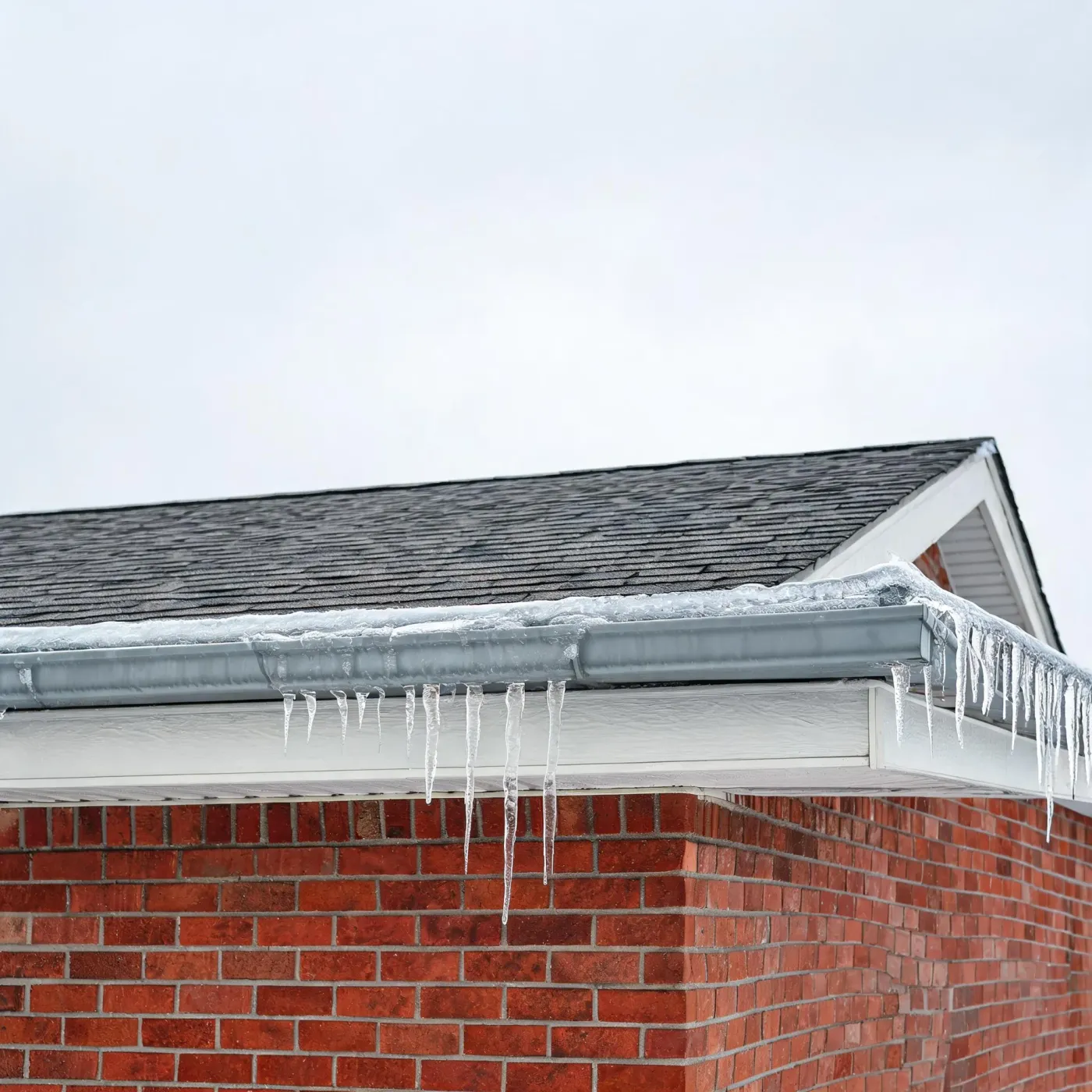
Corner of a brick house with asphalt shingle roof, white soffit and gray gutter, with icicles hanging from the gutter against an overcast sky.

Statewide, winter nights average 25°F, according to NOAA climate data, and that's the stretch where your furnace stops cycling on and off and just runs. A furnace built to run long and steady wears on its mounts and connections differently than one that fires for ten minutes and shuts off. Screws that held a panel tight in October get tested night after night once it's cold enough to keep the burners going for hours. If a rattle showed up this season and not last, a run of 25°F nights is often what brought it out, not anything sudden that broke.

NOAA nClimDiv 1991-2020 county normals weighted by homes

Repair the furnace or replace it

Fix the rattle

  • A contractor opens the cabinet, finds the loose panel, worn bearing or failing igniter, and corrects that one thing.
  • Parts like inducer motors, igniters and flame sensors can usually be swapped without replacing the furnace around them.
  • Once the loose or worn part is addressed, the furnace goes back to running the way it did last winter.
  • A licensed contractor who works on furnaces all season knows which of these failures shows up most and checks that first.
  • Repair costs less upfront than a new system, and plenty of rattles turn out to be a four dollar screw or a cheap sensor.
  • If the cabinet, heat exchanger and blower are otherwise sound, repair gets you through this winter and several more.

Replace the furnace

  • If the rattle traces back to a cracked heat exchanger or a rusted-through cabinet, those aren't repaired, they're replaced.
  • A furnace that's needed more than one repair in a short stretch may be nearing the point where another fix just buys a little time.
  • Replacement resets everything at once: the igniter, the inducer, the pressure switch, the blower mounts, all new.
  • A new furnace carries its own warranty, so a failure in year one or two is covered rather than billed.
  • Gas furnaces here run for hours at a stretch on the cold nights, and an aging unit under that kind of load is more likely to need another repair soon after the first.
  • Replacing costs more than a repair, but it ends the pattern of chasing one worn part after another.
A gray high-efficiency furnace with white PVC vent pipes stands on a concrete pad in a basement, beside sheet-metal ductwork, copper piping and a poured concrete wall with wood framing at left.

Running the way it should

A furnace like this fires up, the inducer spins, the burners light, and the blower pushes air through the ducts without a sound out of place. The panels sit flush, the gas lines and condensate pipes are secure, and nothing shakes loose when the cabinet warms up and cools back down.

A beige gas furnace in a basement with a metal flue pipe, galvanized sheet-metal ductwork to its left, and gas and water pipes along the concrete wall to its right.

Worn down and showing it

This one still runs, but age shows in the cabinet and the flue pipe venting above it. Shutoff valves and fittings that have sat untouched for years are more likely to loosen, and a furnace that's been through enough winters tends to rattle before it quits.

Winter nights average 25°F statewide

At 25°F overnight, your furnace isn't cycling off much before morning. It holds that long run for hours, and a loose screw or worn bearing that only ticked for a minute in October now rattles the whole night through.

NOAA nClimDiv 1991-2020 county normals weighted by homes

What the rattle comes down to

  • A rattle traces back to one loose panel, one worn bearing, or one weak igniter, and a contractor finds which one it is.
  • Missouri's long, cold nights run the furnace for hours straight, so a small rattle in October turns into a constant noise by January.
  • A furnace running right fires, spins, and pushes air through the ducts without a sound out of place.
  • A local contractor who services this equipment every winter knows which of these parts tends to fail first in homes around here.
  • You're matched to one licensed contractor, not a handful of companies competing for the job.
  • Catching the cause now means heat through the coldest stretch without wondering what that noise is doing to the furnace.

A furnace rattle has a cause, and that cause has a name. It's a panel that worked loose, a bearing wearing down in the inducer motor, or an igniter that's going weak. Once someone opens the cabinet and finds which one it is, the fix is usually straightforward. The part gets replaced or the panel gets seated and secured, and the furnace goes back to running the way it did last year.

What makes this worth handling now instead of waiting is how Missouri winters work. Once the nights settle into the 20s, your furnace isn't cycling on and off anymore. It runs for hours at a stretch, and whatever's loose or wearing gets that much more time to shake, tick, and work itself looser. A noise you can live with in October is a different thing by January.

The contractor who ends up looking at your furnace isn't guessing at this for the first time. Someone who services gas furnaces through a Missouri winter sees the same handful of failures every season, panels, bearings, igniters, and knows which ones tend to go first in homes around here. You'll be matched to one licensed contractor local to you, not a list of companies calling to bid on the job. That's one person looking at your furnace, not five.

Once that's arranged, the noise stops being something you have to solve. You'll know what it was, what got fixed, and that your furnace is set to run through the rest of the winter the way it's supposed to.

Close view of a dark standing-seam metal roof with a stone chimney and metal flue cap, overlooking a wide river, trees, and flat farmland under a partly cloudy sky.

Stop chasing a furnace pro

Send my request

It costs nothing to send, and you don't have to hire anyone.

A rattle that's been building since October won't fix itself before the next cold snap hits. Sending the request now gets a local contractor who works on furnaces like yours every winter looking at the actual part before one more long, cold night runs it further.