
Furnace Installation in Washington, MO
A new furnace here will run from October through April every year. Tell us about the house, and a licensed contractor who covers Franklin County will get in touch.
Tell us about the job
It takes about a minute.
Step 1 of 3: Equipment
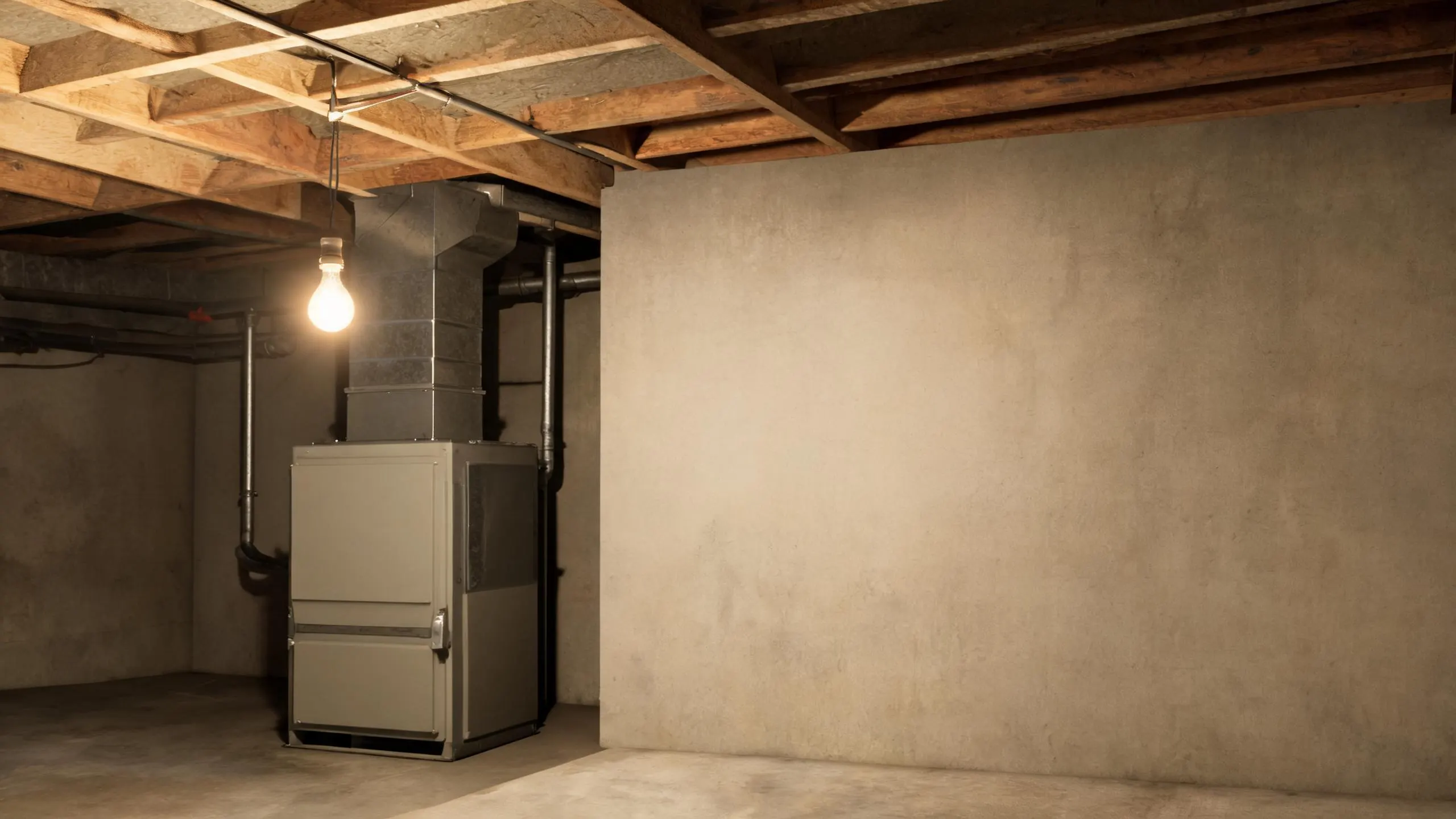
Seven months of heat, and winters that don't go easy
Franklin County needs a working furnace from October through April, seven months of the year. Winter nights average 24°F, and the burner has to hold that line night after night.
Most homes here heat with electricity, and the county has seen 9 winter storms and 72 damaging wind events over the past ten years. In 2024, 19% of Missouri households lost power for at least 24 hours. If your new furnace runs on gas, current models are built to reach at least 80 percent AFUE, so more of what you pay for turns into heat in the house.
- 7 months
- October through April, your furnace is on duty
- 24°F
- the average winter night it heats against
- 80% AFUE
- the federal minimum any new unit must meet
Jan
Feb
Mar
Apr
May
Jun
Jul
Aug
Sep
Oct
Nov
Dec
NOAA nClimDiv, 1991–2020 normals
- What size furnace does my house need?
- The right size comes from a load calculation, not the square footage of your house alone. A contractor works through your insulation, window count, ceiling height, and layout to figure out how much heat you lose on a cold night, since a furnace that's too big will short cycle and one that's too small will run constantly without keeping up. With winter lows here averaging 24°F, getting this number right matters more than it would somewhere milder. Ask the contractor to walk you through the calculation rather than quote a size off the top of their head.
- How do I know it's time to replace my furnace?
- Watch how the furnace is behaving, not just how old it is. Uneven heat between rooms, a furnace that cycles on and off more than it used to, or a jump in your gas or electric bill with no other explanation are all signs it's struggling. If you're calling for repairs more than once a season, or a repair quote starts getting close to what a new furnace would run, replacement usually makes more sense than another patch job. Homes here need heat from October through April, so a furnace that fails mid-winter leaves you without heat for a long stretch, which is a good reason to have it looked at before it quits rather than after.
- Is a high-efficiency furnace worth it?
- It depends on how you heat now and how long you plan to stay in the house. Every non-weatherized gas furnace built since November 2015 has to reach at least 80 percent AFUE, so even a standard new furnace wastes less fuel than an older one might. High-efficiency models go higher than that, meaning less of the fuel you pay for goes out the vent as exhaust. Since homes here need heat for 7 months of the year, that difference in fuel use shows up more over a season than it would somewhere with a shorter heating stretch. A contractor can walk you through the options for your specific furnace and house rather than give a one-size answer.