
2.53 people per household
That's close to a load a day in most homes here, which means lint moving through the vent constantly and less time between cleanings before it backs up.
Skip searching for someone who cleans dryer vents in St. Charles County.
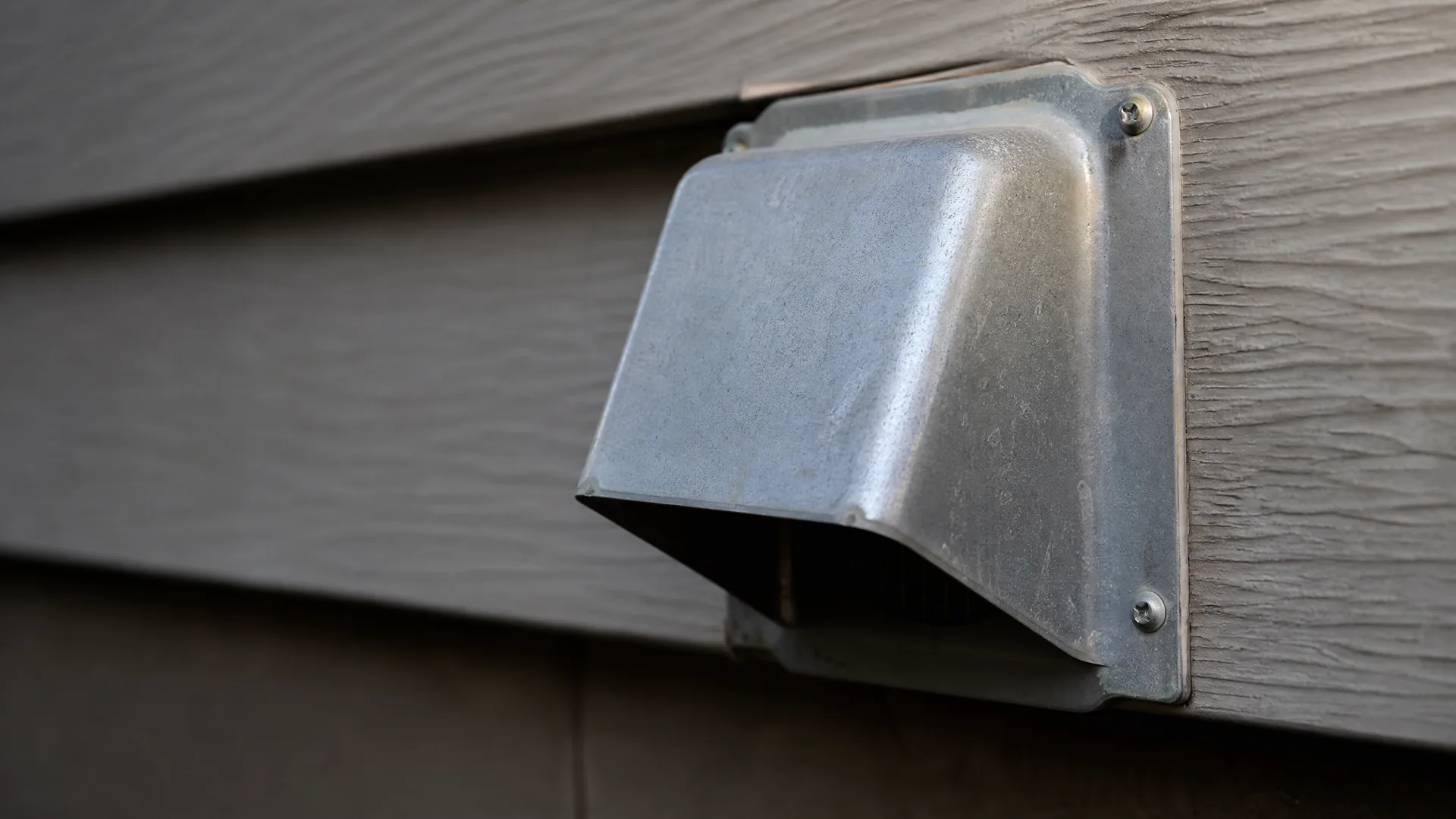
Start one formA clogged dryer vent shows up as clothes that take two or three cycles to dry, a dryer that runs hot to the touch, or a burnt smell when it's running. Check the outside vent hood while a load is running: if the flap barely moves or no air is coming out, lint is blocking the line somewhere between the dryer and the wall. Long runs clog faster, and so do vents with turns in them, which is common once a dryer sits away from an exterior wall. With St. Charles County summers running long and muggy, a blocked vent also means more heat and moisture stuck in the house with nowhere to go. Left alone, a clogged vent makes the dryer work harder every single load, and it's one of the more common causes of house fires. If you're seeing any of these signs, the vent needs to be cleared out, not just the lint trap.
2.53 people per household on average
With 2.53 people in the average household here, that's a load of laundry most days, which means lint building up in the vent week after week.
Half the homes here were built by 1994
Half the homes in St. Charles County were built in 1994 or earlier, and a vent run that old has had three decades to collect lint in its bends and joints.
Power here costs 12.83 cents per kilowatt-hour
Power here runs 12.83 cents per kilowatt-hour, but a gas dryer forcing air through a clogged vent still runs longer than it should to get clothes dry.
ACS 2020-2024 · EIA-861 2025
A dryer with a clogged vent still runs. It just works harder to do it. The drum turns, the heating element fires, and the clothes come out damp enough to need another cycle, then maybe a third. The motor and the heating element are putting in that extra work every single time, which wears on both. Lint sitting in the vent is also fuel. It's the material a vent fire starts with, and it sits closest to the dryer's heat source. You can live with the longer dry times for a while, but each cycle after that is pushing the same parts a little harder than the one before it.
A technician who works on vent systems all over St. Charles County runs a brush and vacuum the length of the vent, from the back of the dryer to the hood outside, and pulls out what's built up along the way. One visit, one company, and you're not calling around to three different outfits explaining the same thing three times or sorting through quotes that don't match up. Clothes go back to drying in one cycle. The dryer stops running as hot. The burnt smell goes away because there's nothing left in the line to scorch. It's a straightforward fix for a problem that only gets worse the longer the lint sits there.




That's close to a load a day in most homes here, which means lint moving through the vent constantly and less time between cleanings before it backs up.
Older ductwork often runs longer or turns more corners to reach an exterior wall, and lint settles at every bend along the way.
Walk past the dryer mid-cycle and feel the door. If it's noticeably hot, or the room itself feels warmer and damper than it should, that's warm air escaping somewhere other than outside. Check the clothes too. Jeans and towels staying damp after a full cycle, or the whole load coming out hotter than usual, points the same direction. Look at the lint trap. If you're cleaning it every single load and still seeing lint collect on top of the dryer or behind it, some of it isn't making it out through the vent. Left alone, that buildup is where house fires start. It's also running the heating element longer than it needs to, cycle after cycle.

It's almost nine on a Tuesday and you still have a dryer full of towels. Second cycle, same as last time. You open the door and they're warm but not dry, heavy in your hands. The laundry room smells faintly hot, like dust on a lightbulb. You pile the towels on top of the dryer, figuring you'll run them again after you look up whether anyone local actually cleans vents, because you're not about to spend tomorrow evening calling around St. Charles County and explaining the same thing three times. The dryer ticks as it cools. The pile sits there, still damp.
You've already felt the dryer door for heat, checked the outside vent hood, maybe pulled lint from places you didn't know it collected. Finding out the vent is clogged is the easy part. Finding someone who'll actually clear the full run, not just the easy few feet near the machine, is the part that eats your evening. You'd be calling around St. Charles County, explaining the same thing to each one, waiting on quotes that come back different ways, hoping whoever shows up has done more than a handful of these. One request here goes to a contractor local to O'Fallon who cleans vents like yours all year, through the long summers and the cold winters that make a blocked vent worse either way. No explaining it twice, no five companies working your phone at once. Just the one call you needed to make in the first place, off your list.
You call around to three companies, describe the same damp towels and hot dryer door three times, and wait on two of them to quote you a price over the phone without ever seeing the vent run.
You answer a few questions once and a licensed local contractor who clears vents in St. Charles County homes every week calls you back, already knowing what's likely going on before they show up.


Clothes come out of the dryer warm but not dry, so you run the cycle again, then maybe a third time. The dryer door is hot to the touch. The laundry room smells faintly hot while it's running. The outside vent hood barely moves when you check it mid-cycle, or nothing comes out at all. Lint keeps showing up around the dryer, behind it or on the floor nearby, more than you remember finding before. The whole load of towels or sheets takes most of the evening instead of an hour, and you're pulling warm, heavy clothes out wondering if the dryer itself is failing.
A load of towels comes out actually dry after one cycle, the way it used to. The dryer door stays close to room temperature when you check it partway through. Step outside while it's running and the vent hood flap swings open with real airflow behind it. The laundry room doesn't carry that warm, dusty smell anymore. You're not budgeting an extra hour or two for a second or third run, and the dryer isn't working as hard to do the same job it did before.


At 2.53 people, most households here run a load most days of the week. That's lint moving through the vent constantly, with little time between loads for it to settle before the next cycle pushes more through.
ACS 2020-2024
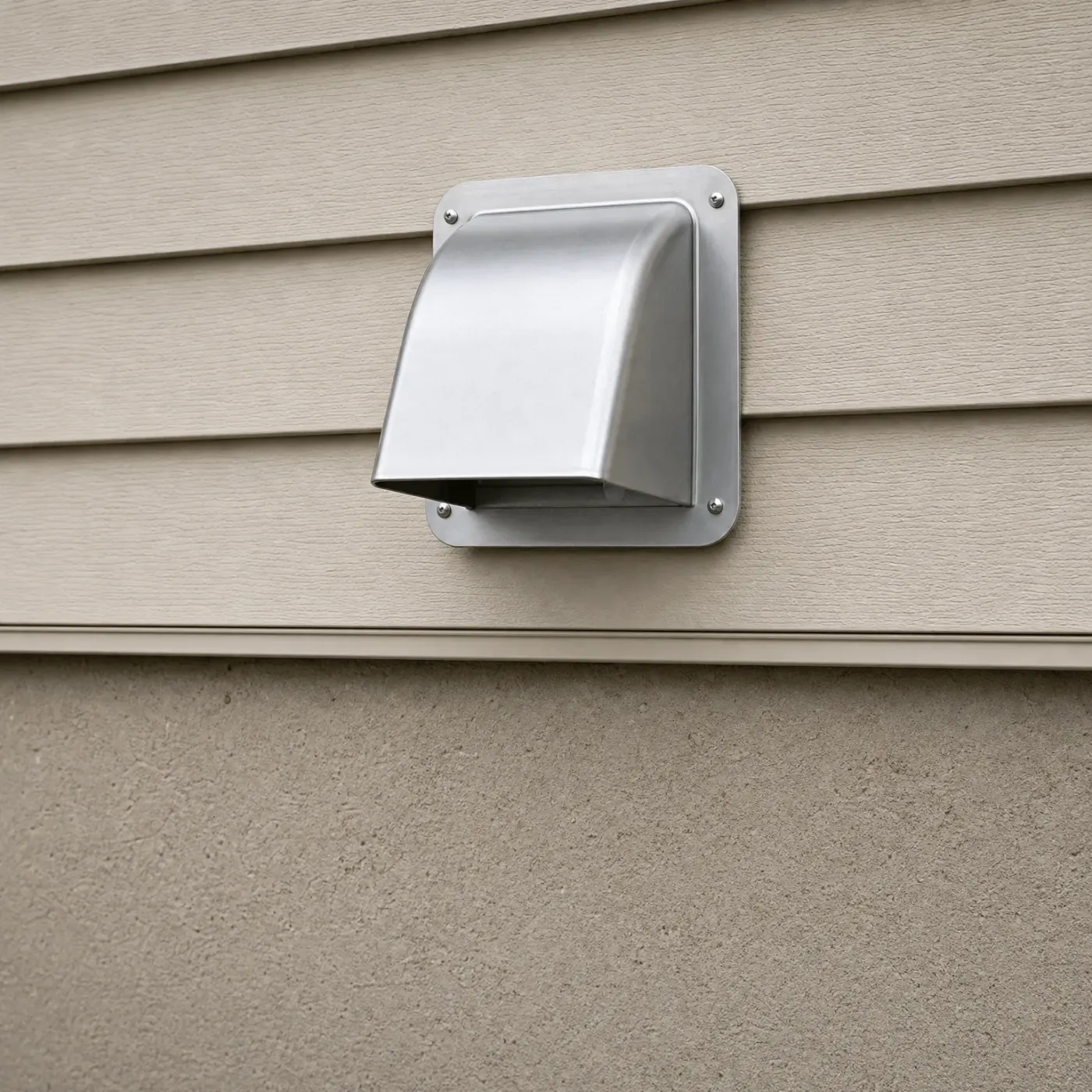
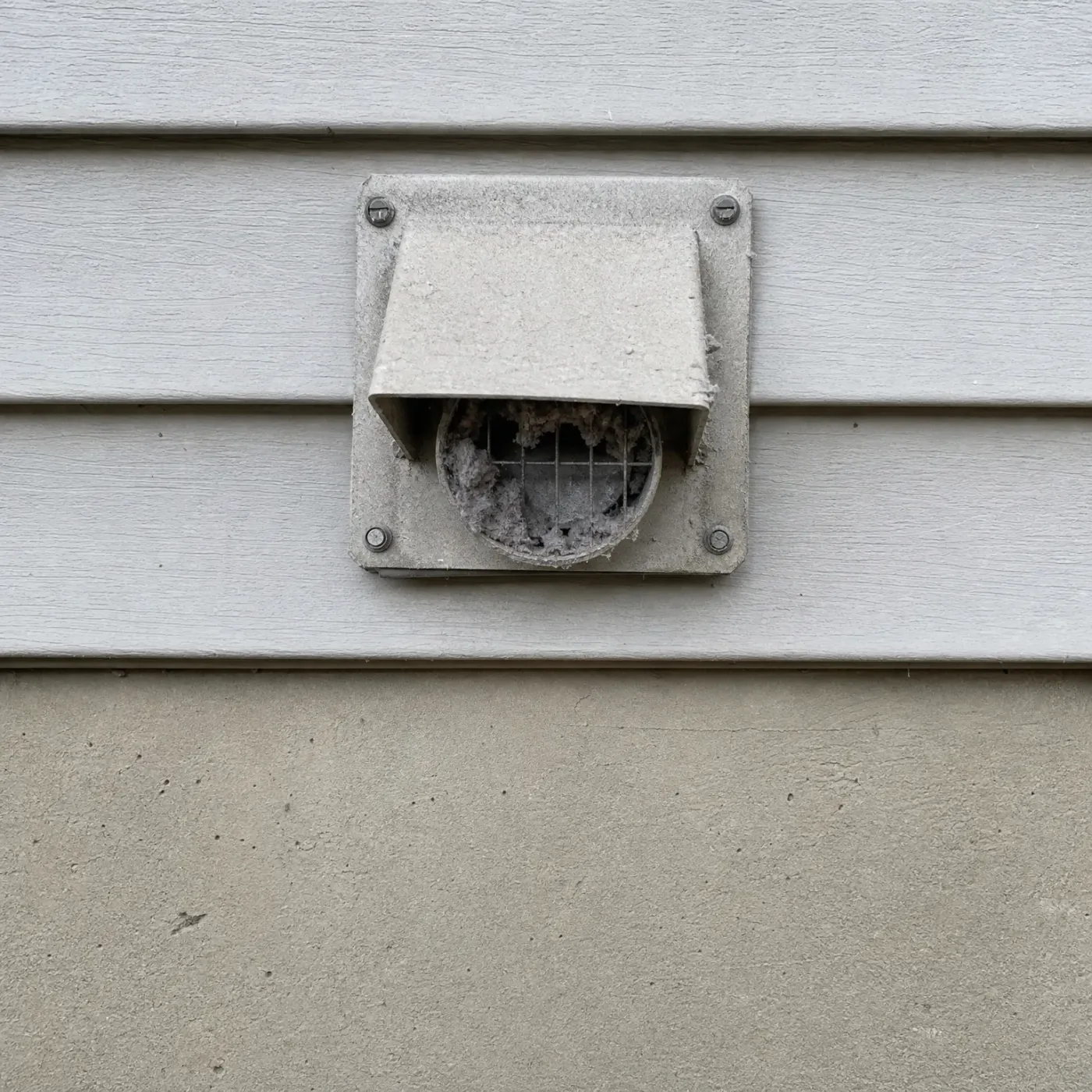

The dryer keeps running the same way, cycle after cycle, pulling more power to do less drying. Lint sits in the line, and the little airflow that gets through carries moisture out slower than the drum produces it. Clothes stay damp, the heating element stays on longer than it should, and the motor works against a line that can't vent what it's pushing. None of that fixes itself. It just keeps building until the line is packed tight enough that almost nothing moves.

A licensed contractor runs a brush and vacuum the full length of the line, from the back of the dryer to the hood outside, not just the trap. Lint that's packed into elbows and screwed joints comes out where a household vacuum can't reach it. Afterward the flap swings open fully when the dryer runs, air moves out in a steady stream, and clothes dry in one cycle instead of two or three. The dryer stops working as hard to do the same job.

Two cycles to dry a load that should take one, a hot door, a vent hood flap that barely moves. Any one of those means lint has built up somewhere between the dryer and the outside wall. The fix is a full cleaning of that line, not another load in the dryer hoping it dries faster this time.
Finding someone to do that work is its own chore. Calling a few companies, describing the hot door and the damp towels to each one, waiting on quotes that were never based on anyone actually looking at your vent. Answer a few questions once and a licensed contractor local to St. Charles County, who clears these lines every week in homes built the same way yours was, takes it from there. One contractor, one visit, and you know where the vent stands.

One form, no calling around