
Signs your ducts need cleaning in Kansas City, MO
Dust coming back onto surfaces within a day or two of cleaning, musty smell when the furnace or AC kicks on, and more sneezing or stuffiness indoors than seems right are the clearest signs your ducts need cleaning. Jackson County homes run the furnace hard all winter and the AC long into a muggy summer, and that steady airflow pulls dust, pet hair, and whatever is sitting in the ducts through every room, over and over. You might also notice weak airflow from some vents, or see dust rings around the vent covers themselves. None of this means the ducts are unsafe, but it does mean they're recirculating more than they're supposed to filter out. If you can see buildup inside a vent with a flashlight, or a register cover feels gritty within days of wiping it down, that confirms what the symptoms are telling you. A contractor who inspects the system can tell you how much is actually built up and where.


How Buildup Moves Through Your Ducts
- Dust and debris settle inside the supply and return runs, and every time the blower starts, some of it lifts back into the air you breathe.
- Return vents pull dust in faster than supply vents push it out, so the return side usually carries the heaviest buildup.
- A gas furnace that's run hard for months packs dust against the duct walls near the blower and the coil.
- Cleaning works the system from one end to the other, usually starting at the furnace and pulling debris out through each vent with a vacuum strong enough to carry it out of the house.
- Flex duct and sharp turns collect more buildup than straight metal runs because the airflow slows down at every bend.
- A vent cover alone won't tell you what's built up several feet back in the line where the air actually moves.
Every time the blower kicks on, air moves through the same metal or flex runs it always has, and whatever settled there since the last cycle gets stirred up again. That's why dust comes back so fast after a surface cleaning. It isn't new dust. It's what was already sitting in the line. The return side takes the worst of it, since that's where household air gets pulled in before it ever reaches the furnace. Dust, pet hair, whatever's airborne that day, all of it gets drawn toward the return grille and packed in along the way. A furnace running hard through a Jackson County winter pushes a lot of air past the same stretch of duct near the blower and coil, and that's usually where the heaviest buildup sits, not right behind the vent cover where you can see it. Flex duct makes this worse. Every bend slows the airflow down a little, and dust drops out of the stream right at the turn, the same way it would in a river bend. A straight metal run doesn't give it as many places to collect. Cleaning the system means working it end to end, starting at the furnace and pulling debris out through each vent with a vacuum strong enough to carry it out of the house, not just stir it around the register.
Why does duct dust build up so much in a Jackson County house?
Half the homes here were built by 1970
Your furnace runs about seven months a year here, October through April, and every one of those cycles pushes air through the same ducts.
Heat runs October through April
Cooling adds another five months, May through September, so your duct system is moving air through most of the year with barely a break.
Cooling runs May through September
Half the homes in Jackson County were built in 1970 or earlier, and ductwork that old has had decades to collect what a newer system hasn't.
ACS 2020-2024 · NOAA nClimDiv 1991-2020

You're dusting the TV stand on a warm April afternoon, windows cracked for the first time since fall, and you wipe the same spot twice before you notice why. A fine gray film keeps settling back on it within minutes of you clearing it off. You look up at the ceiling vent and there it is, a dark ring of dust fanned out across the grille, thicker than the rest of the ceiling around it. The furnace clicks on for what might be one of its last runs of the season, and a faint musty smell drifts down with the air. You go back to dusting, but you leave the vent alone. That one you can't reach with a rag.
Why does your house feel dustier than it should?
Walk through it. A vent cover with a gray ring around the edge. A ceiling fan blade that gathers lint again two days after you wipe it. A closet near a return vent that always seems to need vacuuming. You run the furnace or the AC and catch a stale, musty smell for the first few minutes, then it fades. Someone in the house is sneezing more than they used to, or waking up stuffy, and nobody has a cold. None of this is dramatic on its own, which is why it's easy to blame on the season instead of the ducts. But if dust keeps returning to the same spots right after you clean them, the furnace and AC are the reason, and the air moving through your house all winter and summer is carrying more than it should.




No calling every shop in Jackson County
You already know your vents look dusty and your allergies have been worse since the furnace kicked on this fall. Finding someone to look at it is its own chore. You'd normally spend an evening searching, calling a few companies, describing the gray film and the musty smell to each one, then sitting on quotes trying to tell them apart. That's the part this replaces. One request goes to a local contractor who works on duct systems around Jackson County all year and has seen what seven months of furnace cycles and five months of AC do to a return vent. You're not fielding calls from five different companies asking the same questions. You explain it once, to someone who already knows why your return side is probably worse than your supply side, and let them tell you what they find when they look at your ducts instead of guessing from a vent cover.
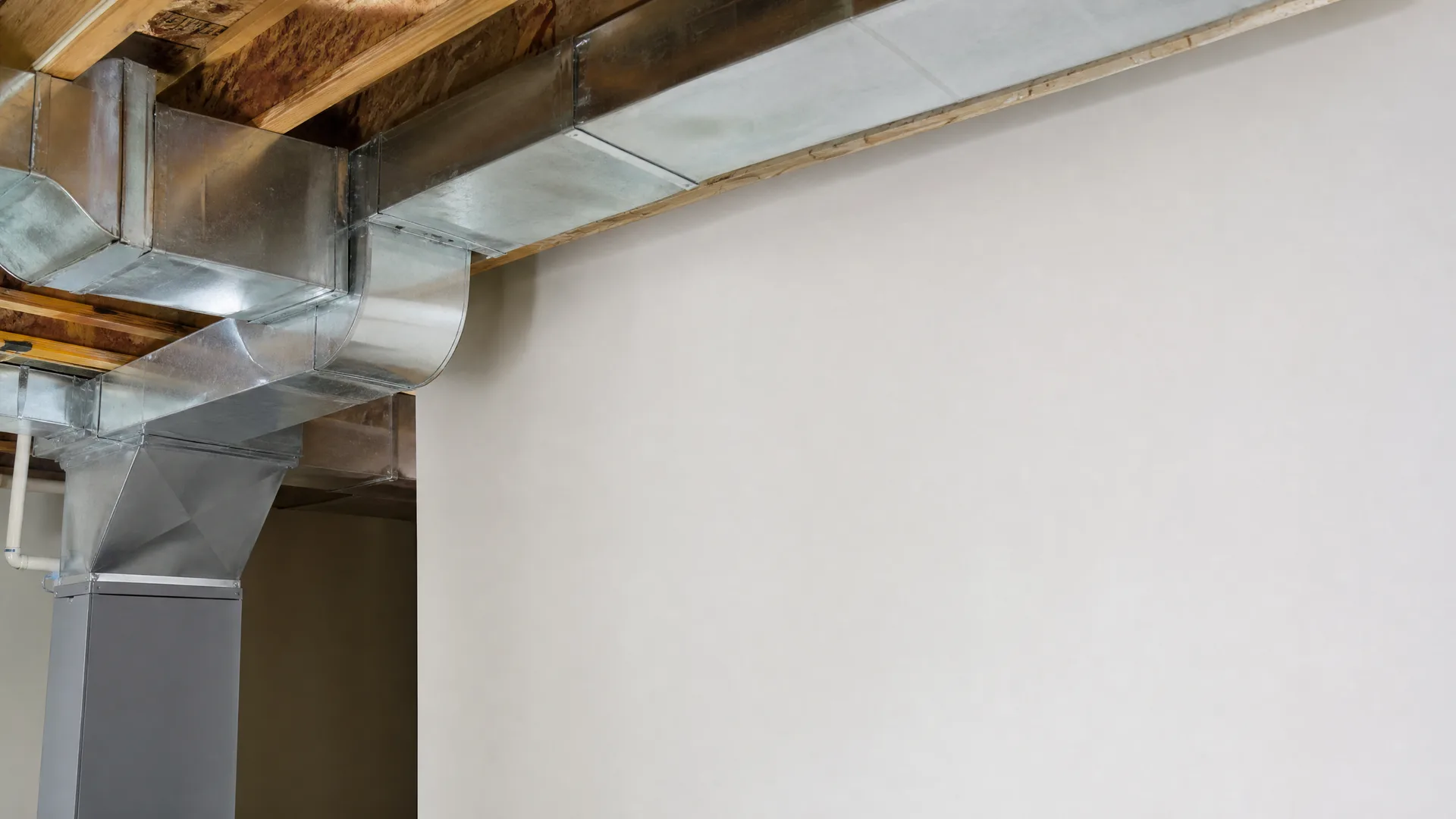
What a return vent tells you
Pull the cover off a return vent and look at the inside edge of the duct. If there's a soft gray layer coating the metal more than an inch or two back, that's buildup the blower has been stirring every time it kicks on. A supply vent usually looks cleaner, since it's pushing air out rather than pulling it in from the house.

What the blower does with it
A furnace blower runs for minutes at a stretch, not seconds, and it moves the same volume of air through the same runs thousands of times over a winter. Loose dust near the blower side of the system doesn't stay put. It rides the airflow out through the supply vents and settles on whatever surface it lands on first, often within the same room it started in.
Power here costs 13.55 cents per kilowatt-hour
At 13.55 cents per kilowatt-hour, running the blower more than it needs to doesn't swing the bill much on its own. The cost shows up differently: a furnace pushing air through clogged ducts for seven months runs longer to heat the same rooms, and that extra runtime is where the money goes.
EIA-861 2025
Clean it yourself first
Pull the vent covers and vacuum what you can reach with a hose attachment. Wipe the grille, run a brush a foot or two into the duct, and put the cover back on. This gets you the dust sitting right at the opening, the part that gathers fastest because it's closest to the room. It won't touch anything further back, and most of a Jackson County duct run goes back ten feet or more before it hits a joint, a turn, or the plenum near the furnace. If the gray film comes back on the vent cover within a week even after you've vacuumed it, the buildup is further in than a hose attachment reaches, and that's the part a vacuum at the register was never going to get to anyway.
When it needs real equipment
A full cleaning uses a vacuum strong enough to pull air through the whole system at once, with a brush or agitation tool run through each run while that suction is on. That's what moves buildup from ten or fifteen feet back in a duct, not just from the first foot past the register. It also means pulling the furnace's blower compartment and coil, since debris collects there too and a register-only cleaning never reaches it. If you've vacuumed every vent you can reach and the dust still comes back fast, or the musty smell on startup hasn't changed, the dust is living somewhere a shop vac at the register can't follow.



What your ducts are telling you
The signs don't take long to read once you know what to look for. Dust back on a surface a day after you clean it, a musty smell when the furnace kicks on, a gray ring inside a vent cover. Any one of those means air is moving through buildup before it reaches you. That's the whole answer.
You could spend an evening finding someone to deal with it: searching for duct cleaners near Jackson County, calling a few, describing the gray film and the smell to each one, then sitting with three quotes trying to tell a fair price from a padded one. A match here skips that. You get one local contractor who cleans ducts in homes like yours all year, someone who's pulled enough vent covers in this county to know what a furnace running seven months a year leaves behind, and who can tell you plainly whether what you're seeing means it's time.


Skip the search
There's no charge for the request.
A local contractor can look at your ducts once and tell you whether what you're seeing is worth cleaning out or just normal for an older house. That's one visit instead of guessing for another season while the dust keeps coming back.