
Birds nesting in a dryer vent in Kansas City, MO

Answer a few questions about the dryer vent cleaning and skip the search.

Skip calling around

Why are birds nesting in my dryer vent?

You noticed chirping near the laundry room, or lint and twigs caught in the vent hood outside, and now you're wondering why a bird would pick that spot in the first place. It's not random. A dryer vent gives a bird something it's actively looking for in spring, and once it finds it, your vent probably looks like a good deal compared to a tree branch.

Your dryer vent is warm, dry and sheltered, and birds build there every spring

Warm air pushes out of that vent every time the dryer runs, and the hood shields the opening from rain and wind. That combination reads to a bird as a safe, dry place to raise a brood, especially once the flap gets propped open by a build up of lint or a weak spring. Starlings and sparrows are the usual culprits, and they nest in spring, so a vent that's sat unused for a while over the winter is an easy target once the weather turns. Once a nest is built, the flap can't close all the way, which lets in more cold air in winter and more moisture year round, on top of blocking the airflow your dryer needs to work.

A white plastic hooded dryer vent with a screened opening mounted on gray horizontal lap siding above a concrete foundation and gravel bed.

Vent Clear and Open

The flap sits loose and swings free when the dryer kicks on. Warm air pushes out fast enough to dry a load in one cycle, and nothing but lint ever comes through. A bird looking for shelter finds no opening here, just a hood doing its job.

A white plastic dryer vent hood mounted on horizontal lap siding, clogged with gray lint at its lower opening, above a concrete foundation and walkway.

Vent Blocked by a Nest

The flap can't close all the way because twigs and nesting material are wedged behind it. Lint has backed up and stained the siding and foundation below. Dry time stretches out, and the dryer is pushing heat and moisture into a vent that has nowhere for it to go.

Why does my house need this checked at all?

  • 2.31 people per household on average

    A household of 2.31 people runs a dryer most days of the week, so a vent a bird has claimed gets found fast, usually by the smell of hot, trapped air.

  • Half the homes here were built by 1970

    Half the homes in Jackson County went up in 1970 or earlier, and an older vent run is more likely to have a bent hood or a flap that no longer seals tight.

  • Power here costs 13.55 cents per kilowatt-hour

    Electricity here runs 13.55 cents a kilowatt-hour, and a dryer fighting a blocked vent pulls more power to finish the same load.

ACS 2020-2024 · EIA-861 2025

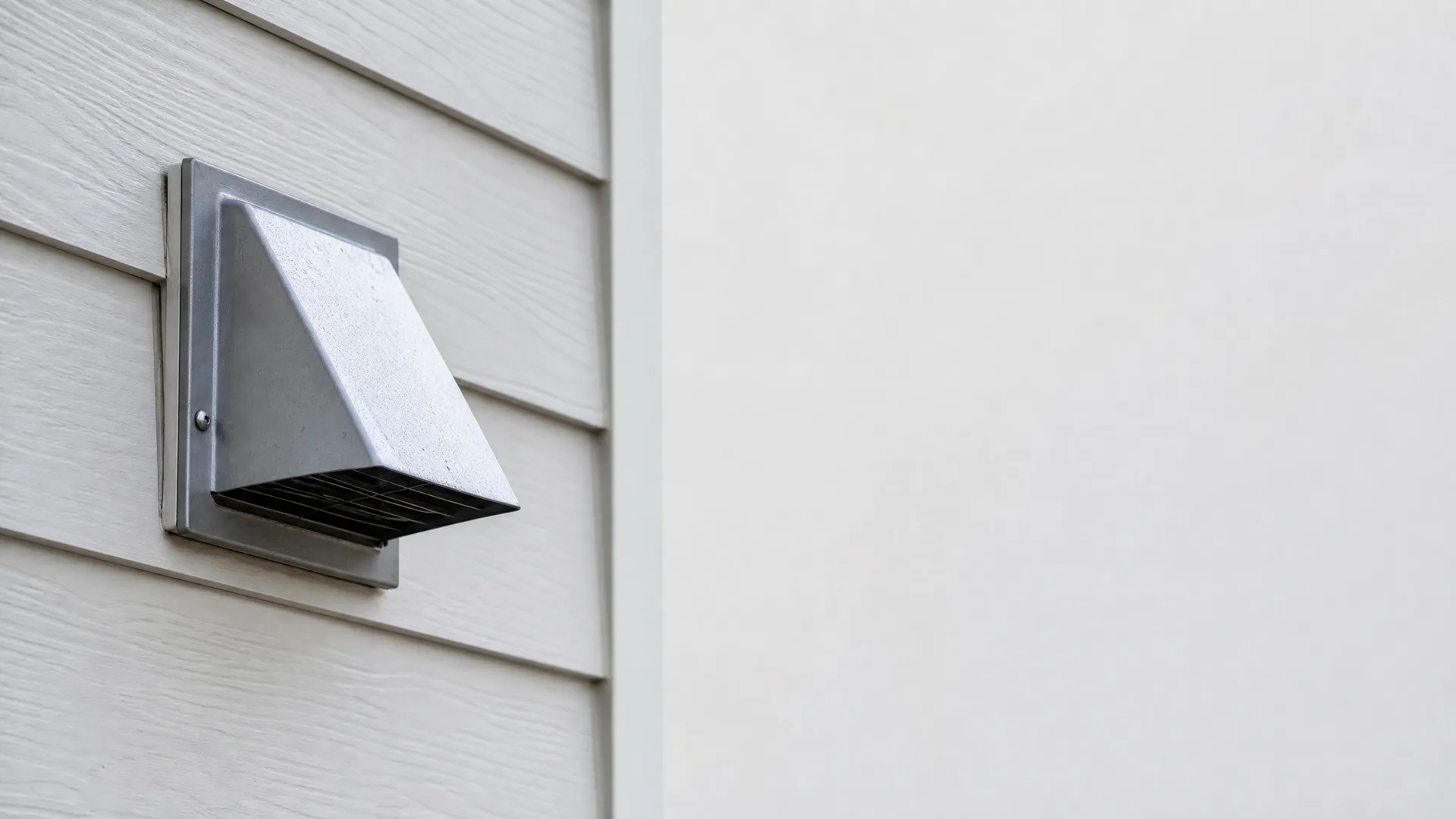
A metal hooded exterior vent cover with louvered underside mounted on light gray horizontal lap siding, next to a plain pale wall at an outside corner.

Why the flap stops closing

The vent hood flap is just a damper hinged to swing shut when the dryer stops. A nest wedged behind it holds the flap open, sometimes just a crack, sometimes all the way. Once that flap can't seat flush, it stops keeping weather and animals out between loads. Lint also starts collecting on the nest material itself instead of blowing clear, and that buildup is what usually turns a vent problem into a fire risk.

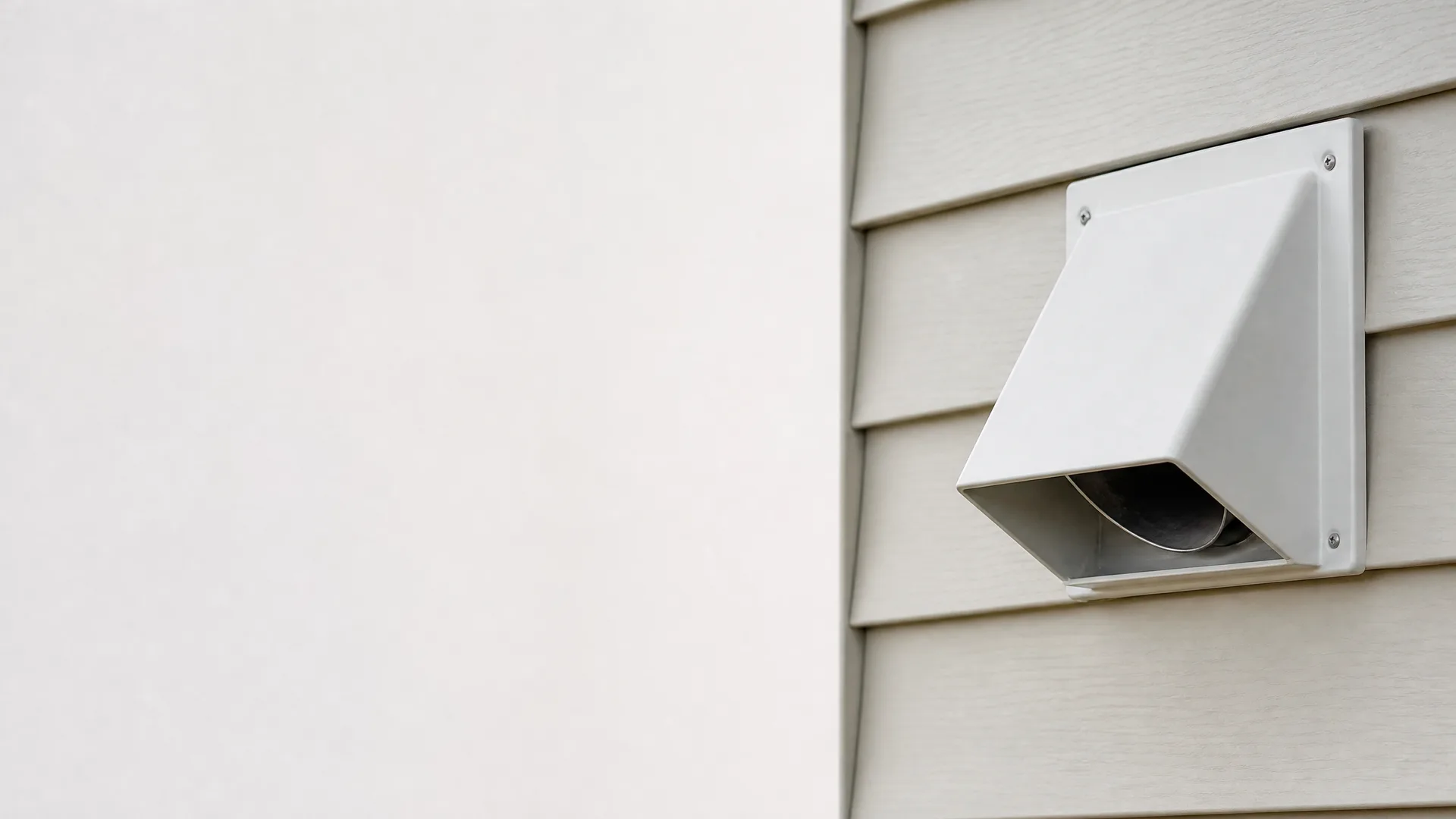
A white hooded dryer vent cover screwed to beige horizontal lap siding on an exterior wall corner, with a blank wall surface at left.

What a blocked vent does to drying

A dryer pushes hot, damp air out through several feet of ductwork before it ever reaches the hood. A nest sitting in that path cuts down how much air can get through, so the moisture that's supposed to leave the drum backs up instead. Clothes come out warm but still damp, and the dryer runs a second or third cycle to finish the job. Some models sense the restriction and shut off early as a safety response, leaving a load half dry in the middle of the afternoon.

Clear It Yourself or Call a Pro

Clean It Yourself

  • You can pull the hood off and clear what you can reach by hand, but a nest usually packs further into the duct than an arm will go.
  • A shop vac with a hose attachment can pull out loose nesting material near the opening, though it won't tell you if the duct is crushed or disconnected behind it.
  • Doing it yourself means no one checks the full run from the wall to the roof or siding, so a partial clear can still leave the dryer running hot.
  • You're guessing at how packed the line is until the dryer backs up again or takes two cycles to dry a load.
  • There's no fix for the flap itself if the hinge got bent or the screen got torn, which is often what let the bird in to begin with.

Hire a Local Pro

  • A contractor who works dryer vents every season in Jackson County knows nesting material clogs more of the duct than it looks like from outside.
  • One company handles the call instead of several contractors ringing you back, so you explain the problem once.
  • A pro runs the line end to end with proper tools, checking the full duct and not just what's visible at the hood.
  • Someone local can replace a bent flap or torn screen on the spot instead of leaving the entry point open for the next bird.
  • A licensed contractor can tell you if the duct itself got crushed or pulled loose while clearing it, which a shop vac alone won't reveal.
A woman in a beige V-neck sweater laughs while seated at a white marble counter with a glass of white wine, with a living room containing a gray sectional sofa, lamp, and dark windows behind her.
A woman with long dark hair in a cream sweater laughs while seated at a light stone counter with a glass of red wine, with a blurred dining table and living room behind her.
A woman in a dark green sweater laughs while seated at a marble kitchen island with a glass of red wine, with open shelving, cabinets and a living room visible behind her.
A smiling woman with dark shoulder-length hair in a cream V-neck sweater sits at a marble counter with a glass of red wine, with a kitchen and softly lit living room behind her.

What are you noticing around the dryer vent right now?

Clothes that used to dry in one cycle now need two. The laundry room smells warm and a little musty when the dryer's been running. Outside, the vent hood flap sits open instead of flat against the wall, even when the dryer is off. You might hear chirping through the wall behind the dryer, especially in the morning. Lint has started collecting around the outside opening instead of blowing clear. None of this is just an inconvenience. A vent that can't push air out pushes heat and moisture back into the duct, and a blocked dryer vent is a fire risk, one of the more common ones tied to home laundry rooms.

  1. A bird pulls twigs through the hood flap into the duct.

  2. The nest packs tight around the duct wall, blocking airflow.

  3. Lint keeps venting outward and catches on the nesting material.

  4. Trapped lint and twigs turn into a dense, dryer-heated clog.

A hooded dryer vent mounted on beige lap siding, with gray lint buildup packed in and hanging from its louvered opening.
Before you get your dryer vent cleaning
A white hooded exterior vent cover with a screened lower opening, screwed to beige horizontal lap siding above a concrete foundation.
After you get your dryer vent cleaning

Describe it once

A nest packed into a dryer vent isn't something you clear out with a coat hanger and call done. It's usually wedged past where your arm reaches, and pulling the hood off without knowing what's behind it can push debris deeper into the duct instead of out. Someone who services vents in Jackson County every week has seen what a bird does to a hood flap and how far back the nesting material tends to sit, and knows when the duct needs opening up versus a straight pull-through. Finding that person yourself means calls, repeating what you're seeing, and sorting through quotes from companies who haven't looked at your setup. Here, one local contractor gets your request, so you're not fielding five calls back about a dryer that's been running two cycles when it used to run one. Send the request and get back to drying clothes without the smell of trapped heat in the laundry room.

Right now, in your house, that blocked vent is doing more than slowing a load of laundry. Every cycle, heat that should push outside is backing up into the duct instead, which means your dryer runs longer and works harder to do the same job. That heat has nowhere to go but to sit against a nest full of dry twigs and lint, right inside your wall. Jackson County winters push furnaces and dryers both into heavier use, and a vent that can't exhaust properly adds strain you won't see until the bill comes or the dryer stops heating right. There's also the smell you've already noticed, warm and musty, which is trapped moisture with nowhere to vent. Left alone through a Kansas City summer, that moisture and nesting material sitting in a hot duct is exactly the setup that turns into a real fire risk, not just an inconvenience you work around on laundry day.

2.31 people per household on average

At 2.31 people, your household still runs a load most days, so a vented bird's nest doesn't sit there unnoticed for long. You'll catch the longer dry times or the musty smell before it turns into a bigger problem behind the wall.

ACS 2020-2024

A nest left in the vent doesn't loosen on its own. Lint keeps collecting against it load after load, and the duct gets tighter instead of clearing out.

A cleared vent moves air the way it was built to. The flap closes flush again, the dryer stops overworking, and the duct stays open until something else blocks it.

A smiling middle-aged man in a dark knit sweater sits at a dimly lit dinner table with a glass of red wine, a bowl of food, and a lit candle in the foreground.
A woman with long wavy brown hair in a knit sweater reclines on a couch with eyes closed under a textured blanket, an open book on her lap, beside a lit table lamp and potted plant.

A Cleared Vent, Done Right

  • A bird nest in your dryer vent means the hood flap can't seat flush, and that won't fix itself with another load of laundry.
  • Clearing it means getting past the duct wall where the nest is actually packed, not just what's reachable from the hood.
  • A local contractor who works on vents through every Kansas City summer and winter knows where nests pack tightest and what a cleared duct should look like when the job's done right.
  • Going with one contractor means one visit and one assessment, not a string of calls from companies bidding on the same job.
  • Once the duct is clear, the flap closes flush again and your dryer goes back to venting heat outside instead of into the duct.

A bird picked your vent because it looked like shelter, and now the hood flap can't close the way it should. That's the whole problem, laid out plain: something is packed into the duct that doesn't belong there, and it has to come out before the dryer can vent the way it was built to. Reaching it takes more than pulling the hood and grabbing what's in arm's length. The nest sits further back, against the duct wall, and getting it all out without pushing material deeper takes someone who's done this before.

That's where a local contractor matters. Someone working on vents around Kansas City through the humid summers and the cold months knows where nests tend to pack tightest and what a duct looks like when it's actually clear, not just cleared near the opening. You're not getting a guess at the problem. You're getting one visit, one person looking at your specific vent, and one assessment instead of fielding calls from several companies all bidding on the same job.

Once that duct is open again, the flap seats flush like it's supposed to. Heat pushes outside instead of backing up into the vent. Your dryer stops working overtime to finish a load, and the musty smell and the long dry times go with it. That's the fix, and it's the only one that holds.

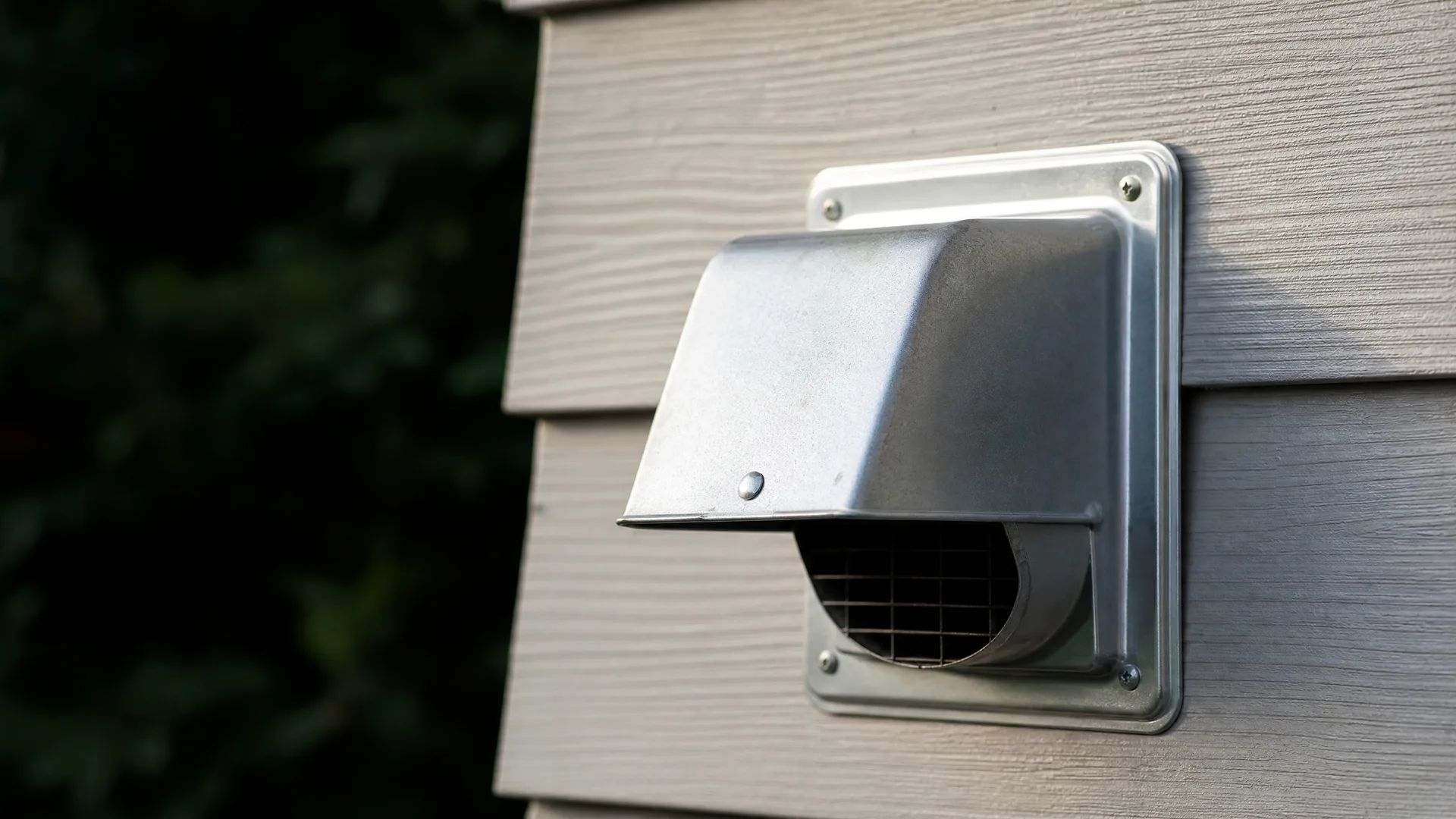
A metal hooded dryer vent with a screened opening screwed to gray lap siding, with dark blurred foliage in the background.

No calling every shop in Jackson County

Duct and vent cleaningJackson County, MO
Step 1 of 3

What kind of equipment?