

The flap moves freely
The hood sits flush against the siding and the flap swings open when the dryer runs, then closes when it's done. Nothing is roosting inside, so nothing blocks the warm air or lint from venting straight outside.
One request and the search for a pro is handled.
Let a pro reach outYou've pulled dryer lint and twigs out of the same vent twice this year, and you're wondering why birds keep coming back to the same spot instead of nesting somewhere in a tree. It feels less like bad luck and more like something about the vent itself is inviting them in, and you're right to think that. Once you know why, it's easier to see why the fix has to be more than just pulling the nest out again.
A dryer vent opening looks a lot like a tree cavity to a bird looking for a place to raise a brood. It's dark, it's sheltered from rain, and warm air drifts out of it most of the year since Missouri homes run the dryer in every season. If the flapper on the vent hood is bent, stuck, or missing, there's nothing stopping a bird from walking right in and building. Once a nest is in place, it usually stays, because the sticks and lint block the flapper from closing and the next dryer cycle doesn't push it back out. The nest stops air from venting outside, and that's what turns a bird problem into a dryer problem.

The hood sits flush against the siding and the flap swings open when the dryer runs, then closes when it's done. Nothing is roosting inside, so nothing blocks the warm air or lint from venting straight outside.

Lint has packed in around the flap and it won't close anymore. A gap like that stays warm and sheltered, which is exactly what draws a bird looking for a place to build in the spring.

The hood sits tight against the siding and the flap hangs loose, swinging open every time the dryer kicks on. Warm air and lint push straight out with nothing in the way. That's what lets heat and moisture leave your laundry room instead of backing up into the duct.

Lint cakes around the opening and hangs off the flap in loose strands because the flap can't shut all the way anymore. Something built inside is holding it open, and what used to vent straight outside now sits trapped in the duct behind it.




A bird that built a nest in your vent once will try again, and so will the next one, because the hood still looks like a sheltered spot from the outside even after you've cleared it out. Pulling what you can reach from the hood doesn't tell you what's packed further back in the duct, and a dryer running against a partial blockage keeps pushing hot, damp air somewhere it shouldn't go. Finding someone who'll actually get a camera or a proper brush back into that duct, rather than just reaching in with a hand and calling it done, usually means calling a few places, explaining the same nest story each time, and weighing quotes against each other before you know who's even worth hiring. Send this request instead and that search is off your plate. Missouri summers are sticky enough without a dryer working harder than it should, and a vent that's actually clear, not just cleared at the opening, is what stops this from being a problem you deal with again next season.
A dryer vent is built to slope slightly downward from the house to the outside wall, so lint and moisture ride the exhaust air out instead of settling back inside the duct. The hood at the end has a flap that's meant to work one way: dryer exhaust pushes it open, and once the dryer shuts off, gravity pulls it shut. A bird doesn't need to break that flap to get in. It just has to wedge it open from outside, which takes far less force than closing it again from the inside once nesting material is packed against it. Spring is when this happens most, because starlings and sparrows are looking for something steady and sheltered, and a vent hood sitting a few feet off the ground, warmed by duct air, fits what they're after better than a tree branch. Once the nest is in place, it sits against the inside wall of the duct and narrows the space exhaust air has to move through. Lint already floating in that air catches on the mud and grass the same way it catches on a lint trap, and the nest thickens with every load of laundry run after it's built. Pulling the nest back out doesn't always clear what's left behind. Droppings and feathers can stay packed along the duct wall long after the twigs are gone.
At 13.30 cents per kilowatt-hour, your dryer isn't the expensive part of the bill. But a vent packed with a nest makes it run longer to dry the same load, and that extra time is what you're paying for, cycle after cycle.
EIA-861 2025 statewide residential average
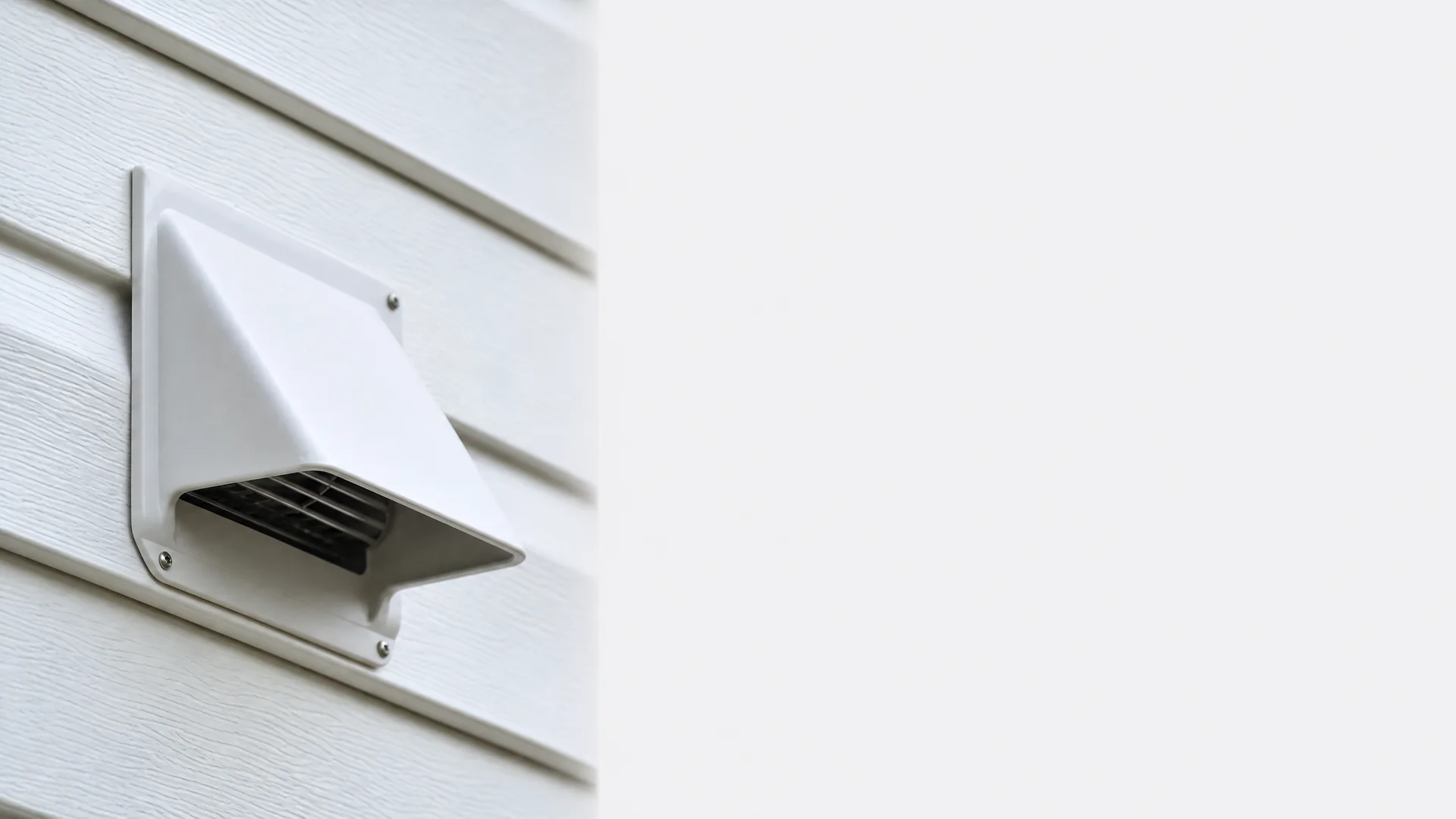
Missouri's nesting birds start scouting for cavities in early spring, right before the stretch of muggy weather settles in and your dryer runs hardest keeping towels and sheets dry. A vent hood that sat quiet all winter looks like an empty birdhouse to a starling or sparrow. Once eggs are in there, the nest stays put for weeks, and so does whatever it's blocking inside your duct.
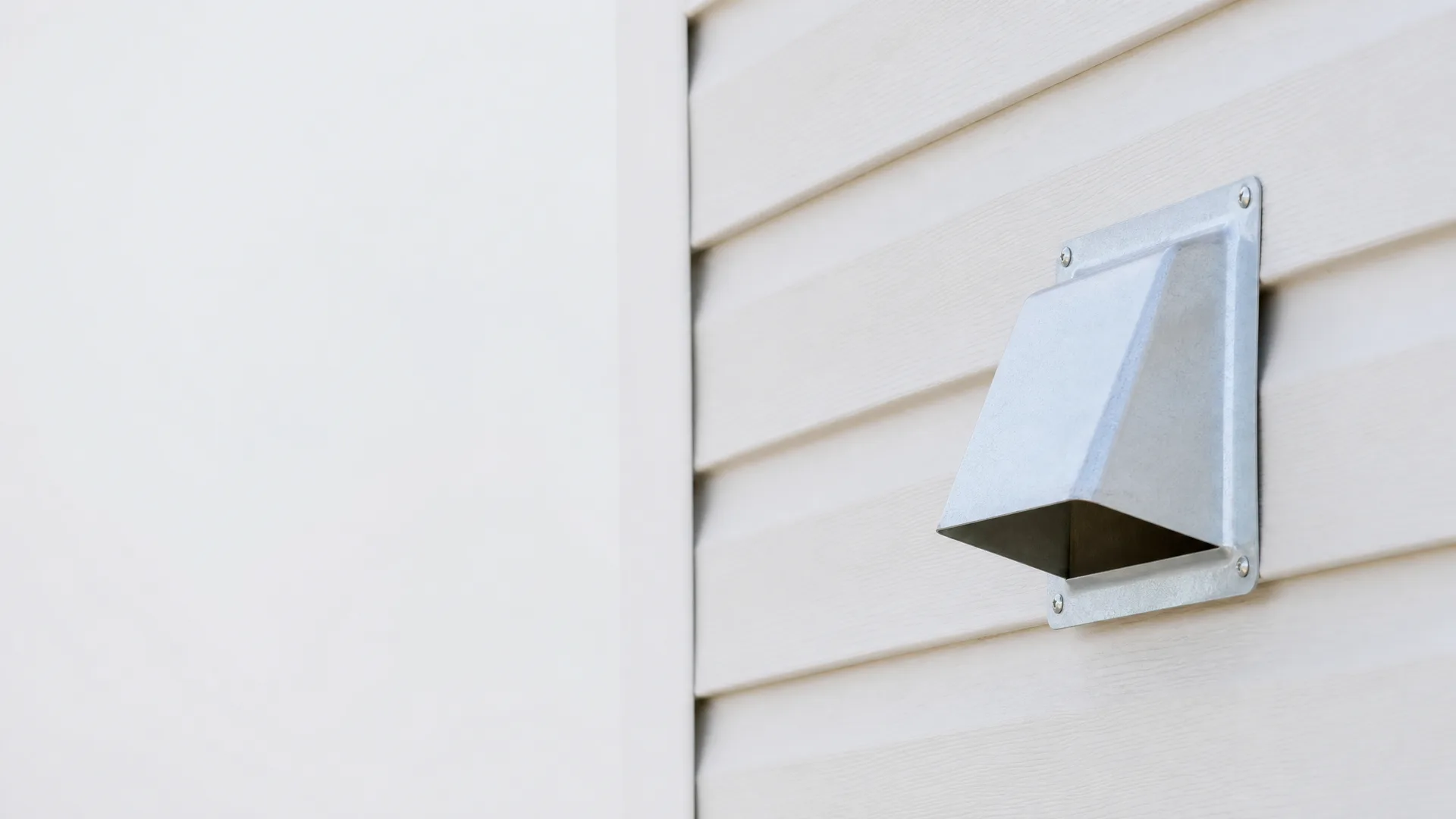
A single nest isn't just twigs. Birds pack in grass, mud and string, then line it with lint pulled from the duct itself, and that mix hardens as it dries. It doesn't wash out or break apart on its own. Once it's compacted against the duct wall, it narrows the path air has to take on its way out, and every load afterward pushes against that same blockage until someone removes it.
A dryer vent with a nest in it isn't going to clear itself, and checking the hood from outside only tells you about the few inches you can reach. The duct behind it is where the rest of the nest sits, packed in with lint from every load you've run since it built there. That's what's making your dryer work longer than it should and what's keeping warm, moist air from actually leaving the house. A full inspection and cleaning gets the whole run clear, hood to wall to duct, not just the part you can see. You don't have to track down who does this kind of work, call around to see who's free, or explain the same thing twice to different people. Send the request once and the search for someone qualified is off your plate. The vent still needs the work done, but finding who does it stops being something you have to sort out yourself.


Send one request and you're done looking
Explain the job once and skip repeating it on every call.
