1 load a day, 1 cleaning a year
That pace of use matches the once-a-year baseline. If more than one person in the house is running loads most days, move to twice a year.

Clean your dryer vent once a year. That's the baseline for a vent run of normal length with one or two people using the dryer regularly. If you run loads most days, or if your vent has a lot of turns in it to reach outside, check it twice a year instead. Lint is the whole issue. It builds up along the inside of the duct every time you dry a load, and a packed vent forces hot, damp air back into the duct instead of out of the house. That means longer dry times, a dryer that runs hotter than it should, and more lint sitting in a warm duct. A clogged vent is also the most common cause of dryer fires, which is reason enough on its own to keep it on a yearly schedule rather than wait until drying gets slow.
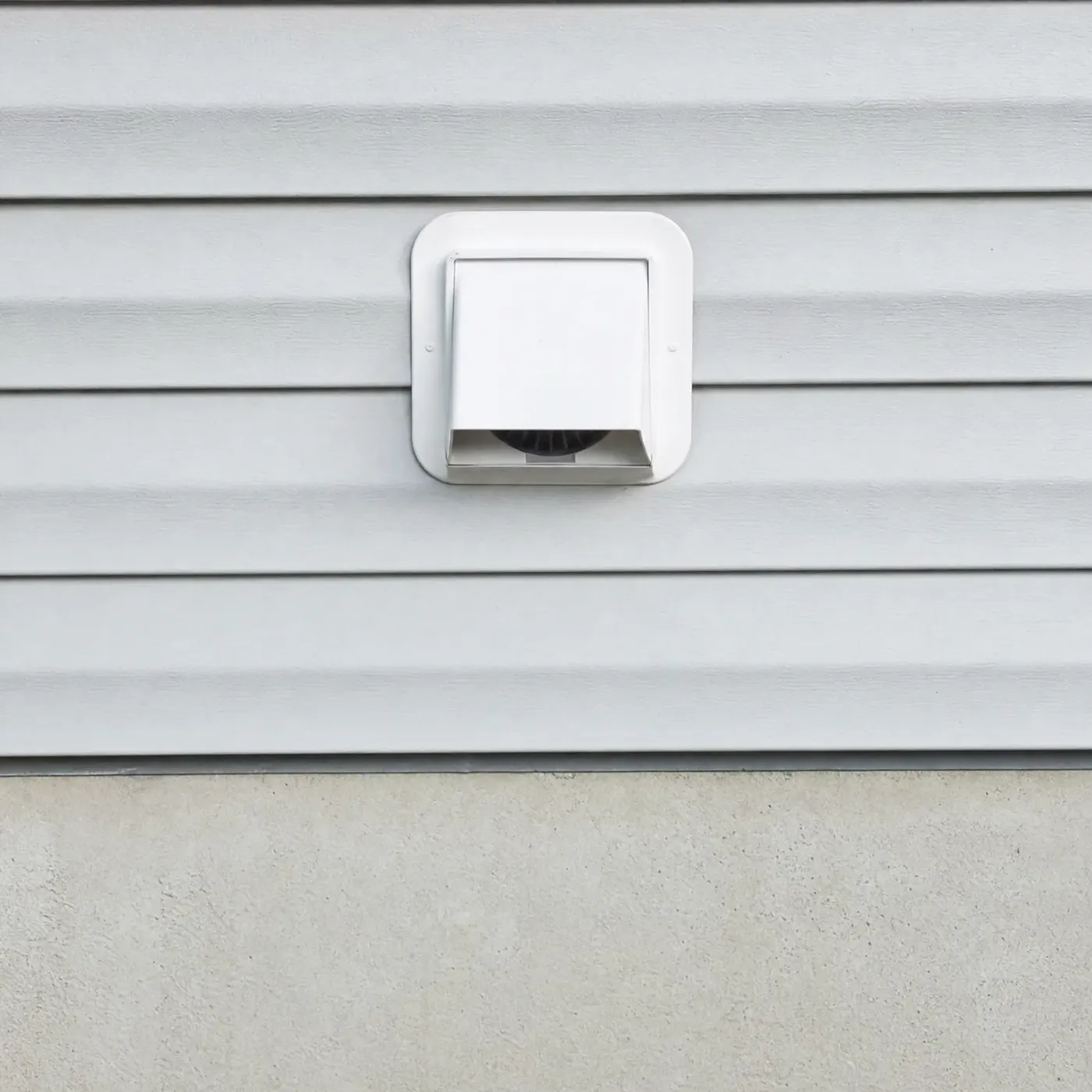
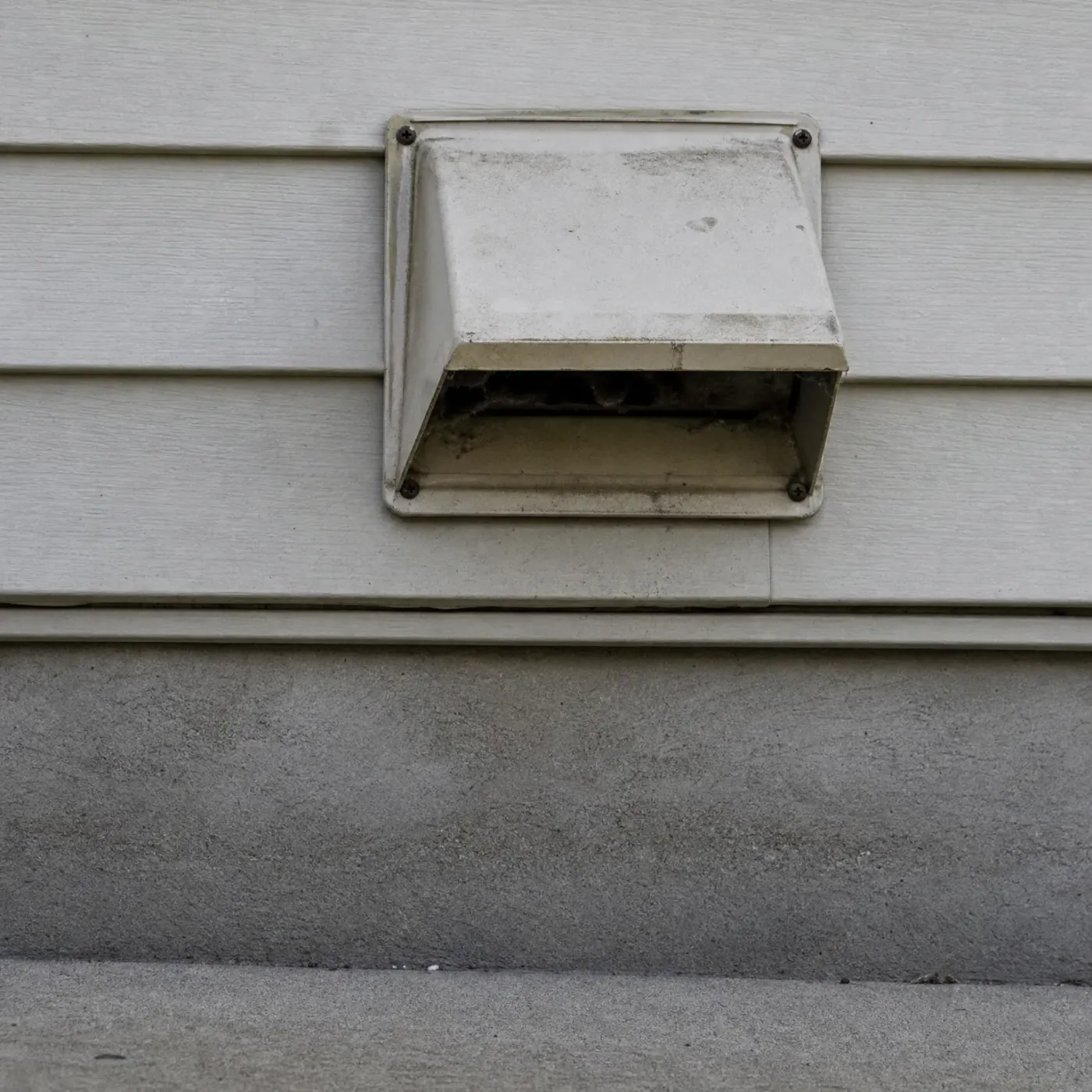
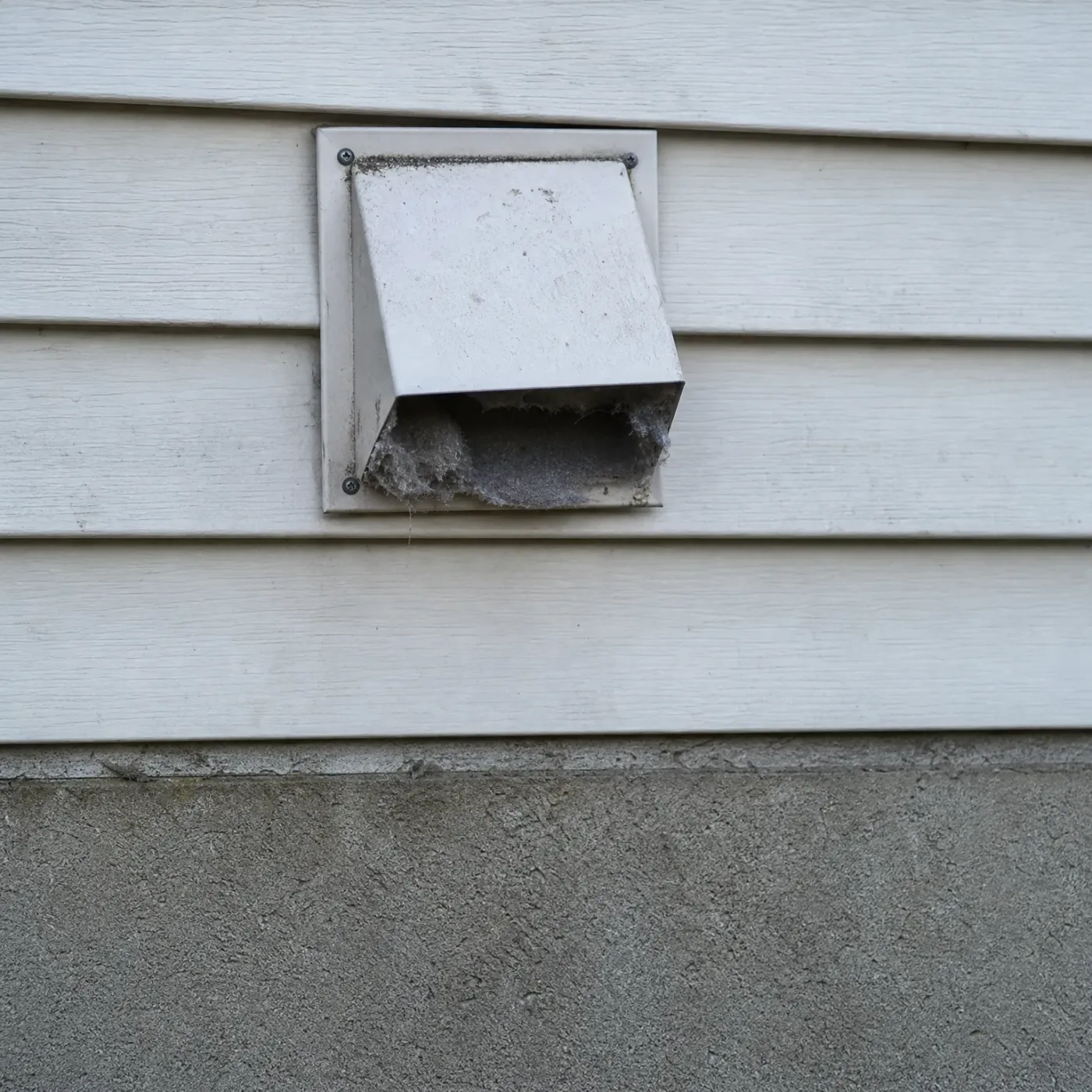
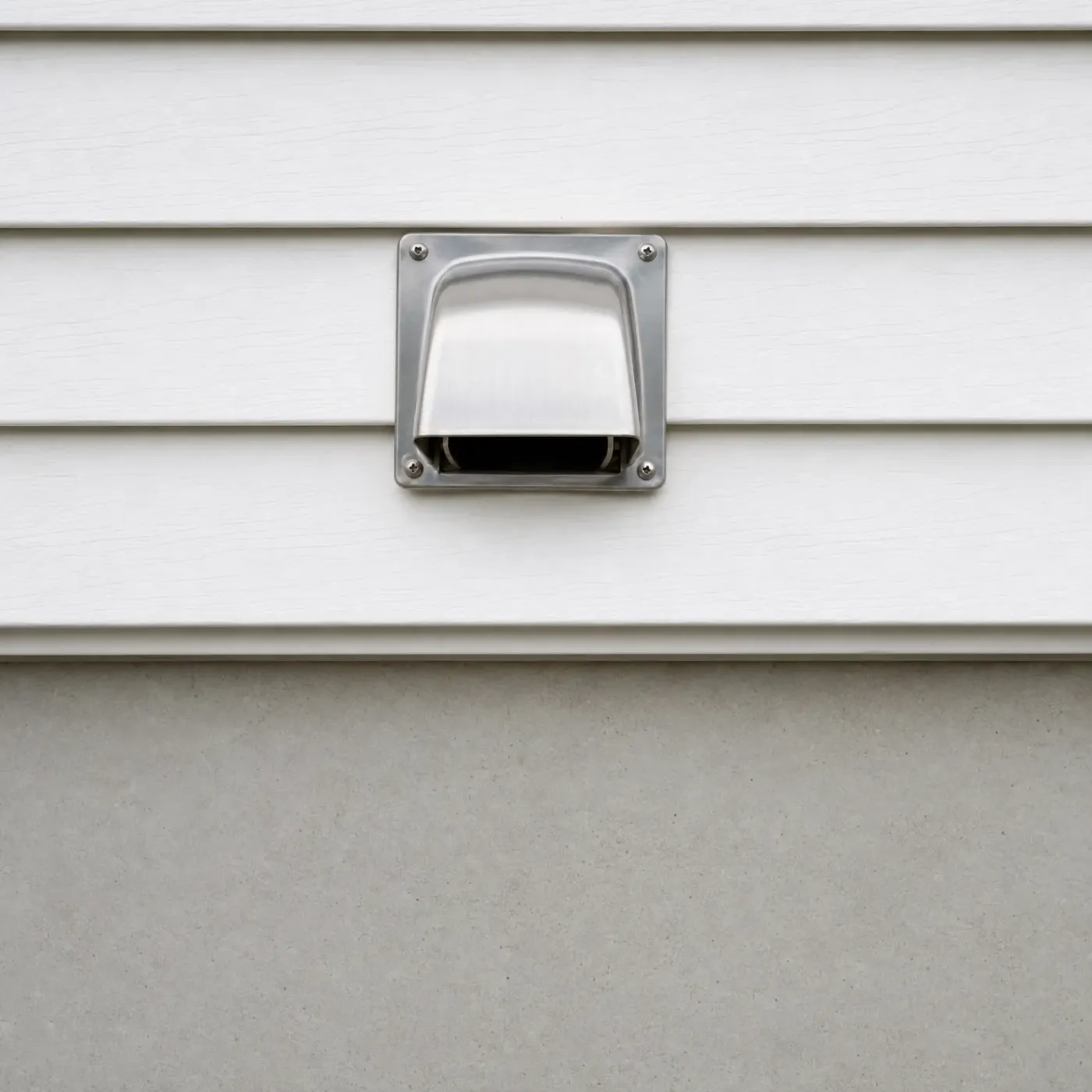
A dryer vent doesn't fail all at once. It narrows first, usually at the hood flap outside and at the elbows where the line turns to reach the wall or roof. Air still moves through a partly blocked vent, just not as much of it, so the dryer compensates by running longer. The gas burner or heating element stays on past the point it would normally cut off, because the moist air inside the drum isn't leaving fast enough. You'll notice it as a load that used to take one cycle now taking two or three. Left long enough, the restriction gets bad enough to trip the thermal fuse on the back of the dryer, a safety part that cuts power when it senses the motor is overheating. That's the dryer protecting itself, not a sign something else is wrong. Vent material matters too. Rigid metal duct gives lint less to catch on than flexible duct, whose ridges slow airflow and collect material. And a vent that runs through an attic or crawlspace before it reaches outside builds up lint along the flat stretches, not just at the turns.
That pace of use matches the once-a-year baseline. If more than one person in the house is running loads most days, move to twice a year.
A clogged hood flap outside won't tell you it's blocked. Someone has to walk outside and look at it to know for sure.




Fill out one short form instead of calling around.
You only hire the pro if you want to.
A dryer that takes two or three cycles to dry one load of towels is pushing hot, damp air into a vent line that's not letting it out.
That heat has to go somewhere, and in a house in Jackson County, backed-up lint near the drum is how dryer fires start.
2.31 people per household on average
Jackson County households average 2.31 people, so most dryers here run a load most days, not once a week. That pace fills a vent with lint faster.
Half the homes here were built by 1970
Half the homes in Jackson County were built in 1970 or earlier, old enough that the vent run may be metal duct with more turns than a newer, shorter line needs.
Power here costs 13.55 cents per kilowatt-hour
Electricity here runs 13.55 cents per kilowatt-hour, cheap enough that a clogged vent adds real time to a load before it shows up as a bigger bill.
ACS 2020-2024 · EIA-861 2025
Once a year is the right pace for most dryer vents around Kansas City, and twice a year if your household runs a load most days or your vent line takes a few turns to reach outside. You don't need a technical inspection to know which camp you're in. Watch the flap outside. If it swings open when the dryer's running and closes when it's done, air is moving the way it should. If lint is ringing the hood opening, that's your sign the line needs attention before it blocks. Inside, the dryer itself will tell you. A load of towels that used to dry in one cycle and now takes two or three isn't a sign of an aging machine. It's a vent that's already restricting the air it needs to push heat and moisture out of the house. With 2.31 people in the average Jackson County household, most dryers here are running close to daily, which means lint builds up faster than a once-a-week schedule would suggest. That buildup collects fastest at the hood flap and at every elbow the line makes on its way outside, and once it restricts the line enough, the heating element or gas burner keeps running longer than it's supposed to, with nowhere for that extra heat to go but back toward the lint. None of this takes special knowledge to check. It just takes knowing what to look for and how often to look.


A once-a-year cleaning, or twice if you run loads daily or the vent has several turns, keeps lint from backing up near the drum. Instead of calling around Jackson County for someone who can actually get out to look at your vent line, answer a few questions here and get matched with a contractor who handles dryer vent cleaning, and they'll reach out to you directly. No comparing quotes, no explaining the setup twice, no guessing who's reliable.
Explain the job once and skip repeating it on every call.
Asking costs nothing, and the choice to hire stays yours.
