Signs of a clogged dryer vent in Springfield, MO

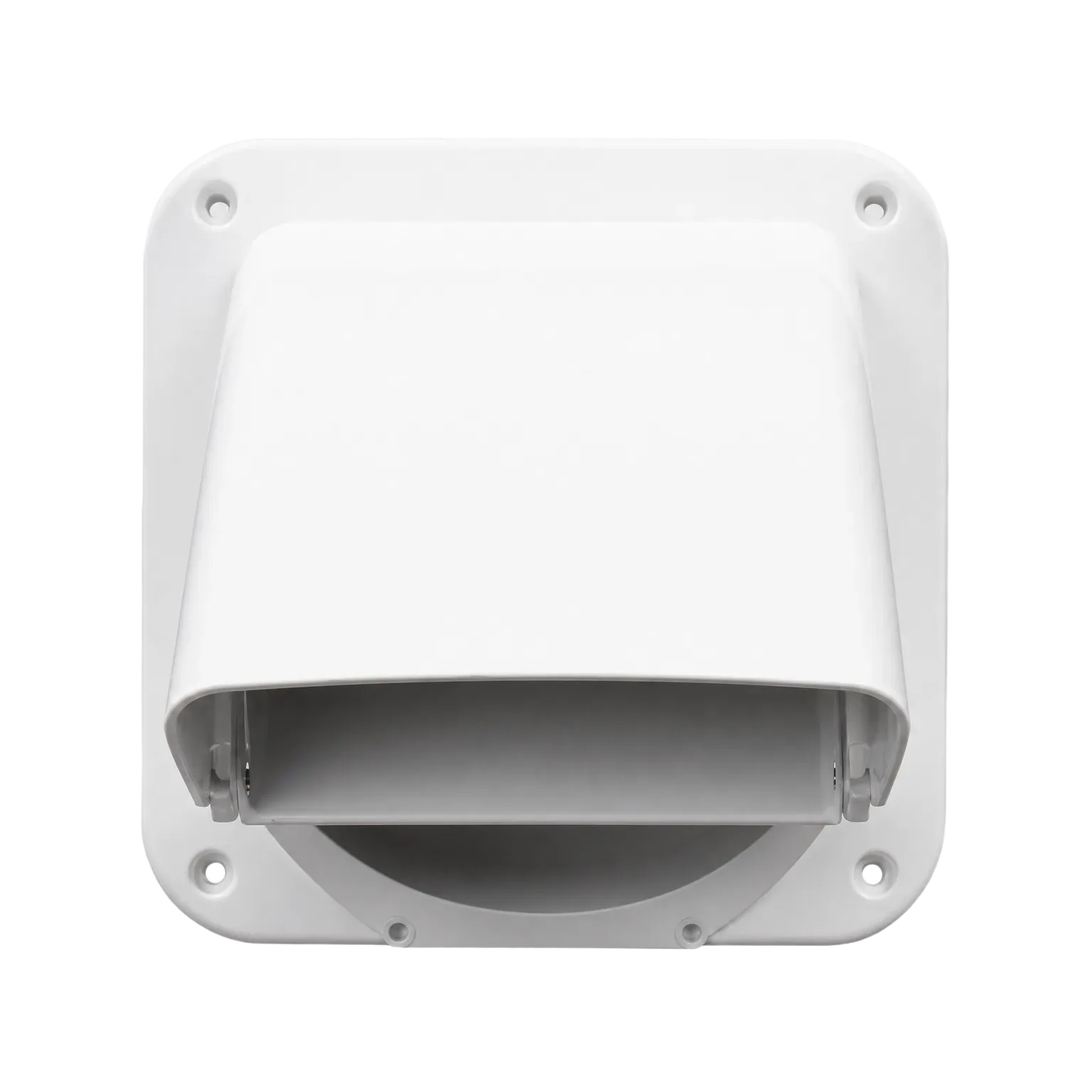
A white plastic wall vent with a square mounting flange, hooded cover, and round duct collar visible beneath, shown against a plain light gray background.
Request a pro

A clogged dryer vent shows up first in the dryer itself. Clothes take two or three cycles to dry when one used to do it. The top of the dryer feels hot to the touch, or the laundry room warms up while it runs. You smell something faintly burnt, even though nothing's burning. The lint trap looks clean, but lint shows up around the back of the machine or outside at the vent hood, where the flap barely moves or stays shut when the dryer is on. Any one of these means air isn't getting out the way it should, usually because lint has packed into the vent run between the dryer and the outside wall. In Greene County, with summers running humid, a partly blocked vent also traps moisture in the line, which gives lint something to stick to and makes the clog worse faster. Left alone, the dryer works harder, runs hotter, and wears out sooner, and a blocked vent is a house fire risk.

An older man with gray hair and a beard, wearing a dark jacket dusted with snow, stands smiling in a dimly lit hallway with lamps and a living room visible behind him.
A gray-haired, bearded man in a dark snow-dusted coat stands smiling in a dimly lit entry hall with a staircase, a lit table lamp, a framed picture, and a living room visible through a doorway.
An older man with white hair and a beard, wearing a dark snow-dusted coat and scarf, stands in a warmly lit interior hallway with a framed landscape picture, a table lamp and a potted plant behind him, and a snowy view through a window at left.
A gray-haired, bearded man in a dark coat dusted with snow stands smiling in a dimly lit room with a lamp, mirror, framed art, and a sofa in the background.

How does your household affect your dryer vent?

  • 2.24 people per household on average

    With 2.24 people in the average Greene County household, most homes run the dryer daily, sometimes more. That steady lint load builds up fast in a vent nobody's checked in a while.

  • Half the homes here were built by 1982

    Half the homes in Greene County were built in 1982 or earlier. Vent runs from that era tend to be longer or bent more, and lint sits in those turns instead of blowing clear.

  • Power here costs 12.46 cents per kilowatt-hour

    Power here runs 12.46 cents per kilowatt-hour. A dryer forcing air through a clogged vent pulls more of it per load, and you pay for every extra minute it runs.

ACS 2020-2024 · EIA-861 2025

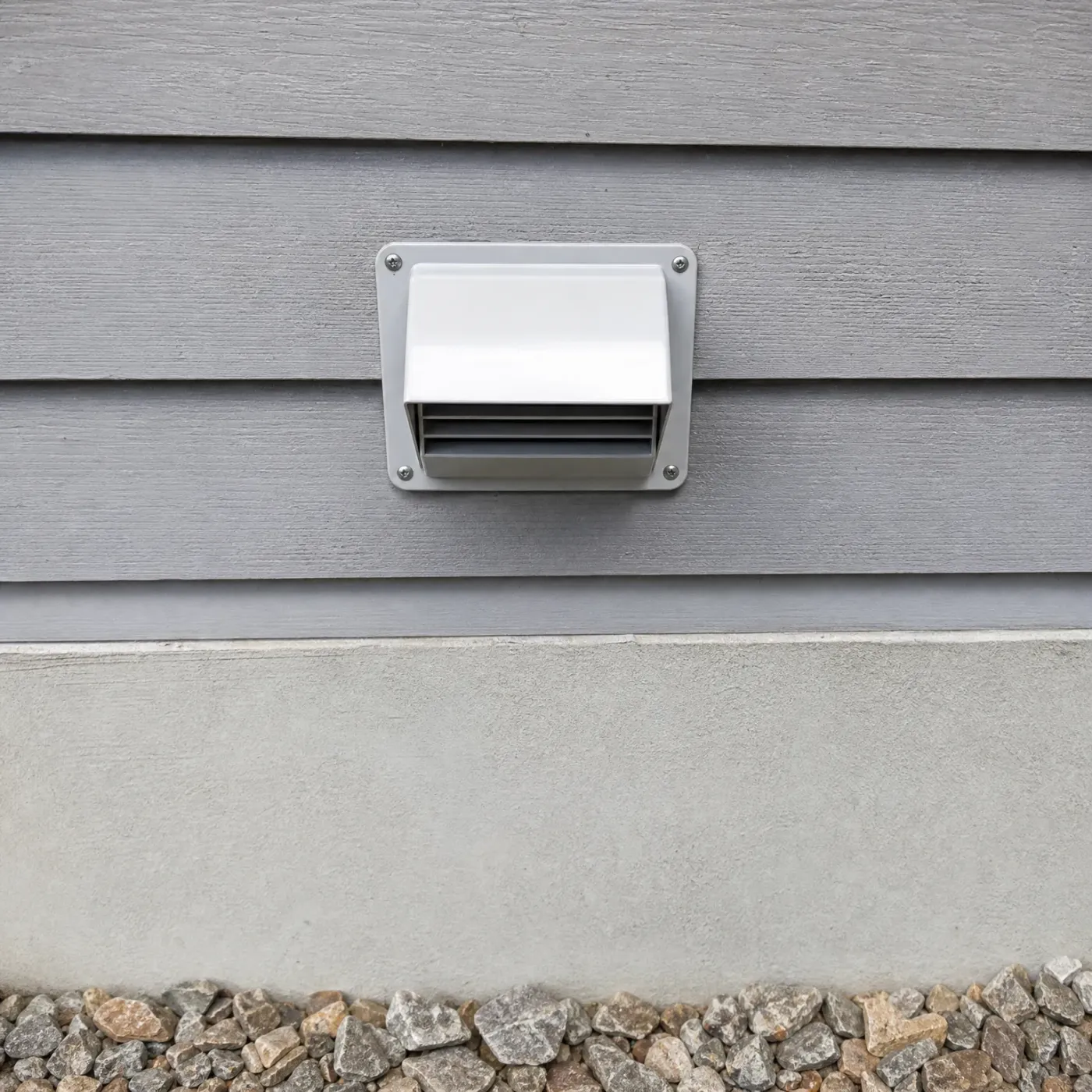
A white hooded louvered vent screwed to gray horizontal lap siding above a concrete foundation wall, with gravel along the ground.
This louvered vent hangs open and swings free when the dryer kicks on, letting air and lint escape outside the way it should.
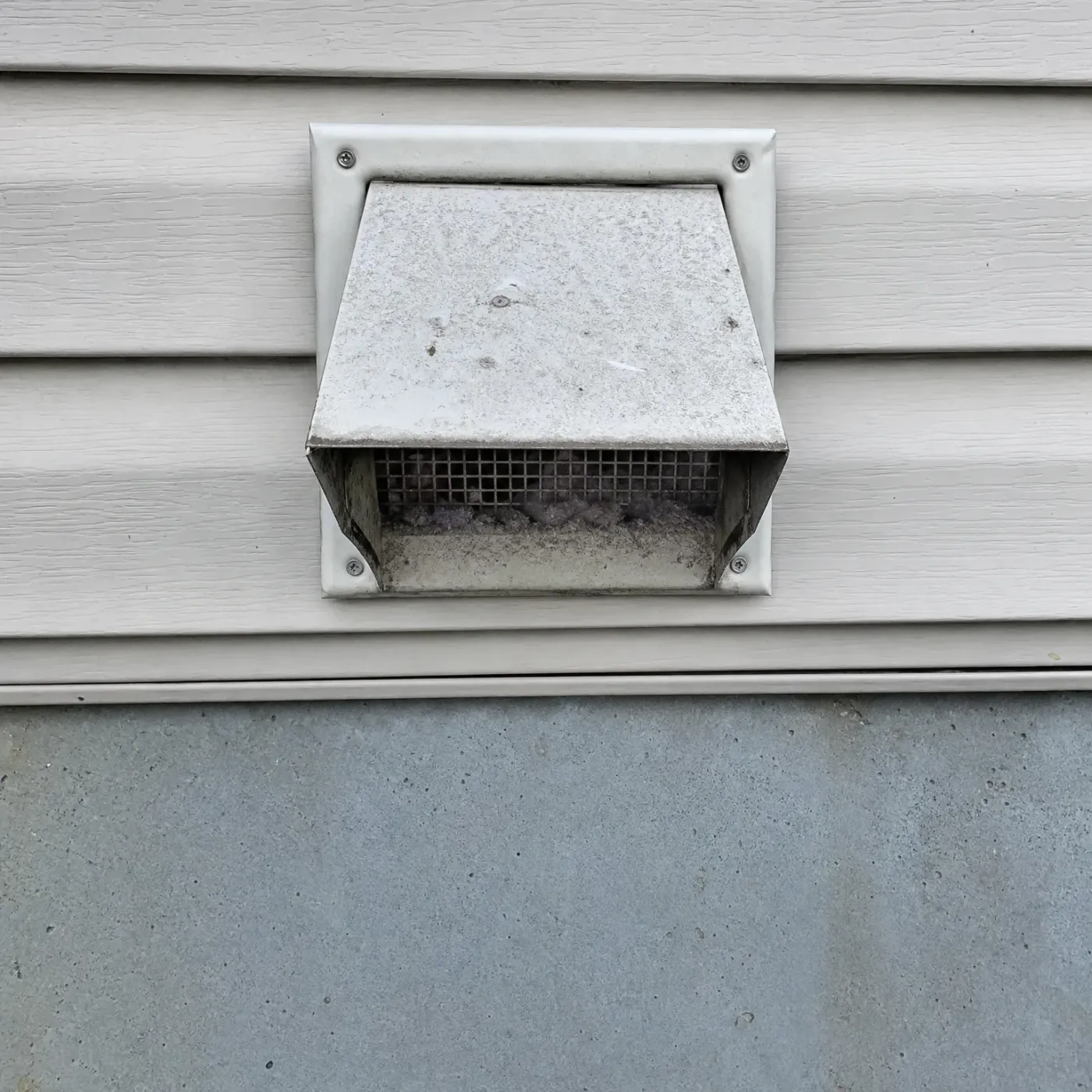
A metal dryer vent hood with a screened opening clogged by gray lint, mounted on light gray horizontal vinyl siding above a concrete foundation wall.
A mat of lint has sealed off the hood's screen, so the dryer is pushing hot, damp air against a wall it can't get through.
A pile of gray and blue towels sits on top of a white dryer in a dim room with a wall cabinet above and a window to the right.

It's Tuesday evening, a little after seven. You pull the third load out and the towels are still damp at the fold, same as the second load was an hour ago. You drape them over the top of the dryer while you start a fourth round, and the laundry room feels warmer than it should, warmer than the hallway outside it. The dryer's been running for almost two hours now for what used to take forty minutes. You rest a hand on the lid and pull it back, it's hot. Somewhere under the hum you catch that faint warm-dust smell again. You leave the towels piled there and go start dinner, meaning to come back and check on it.

Clear Vent vs. Clogged Vent

Vent cleaned

  • A dryer vents its heat and moisture outside in one pass, so clothes come out dry and the laundry room stays close to room temperature.
  • The hood flap outside swings open when the dryer runs and drops shut when it stops, which you can check from your yard in a few seconds.
  • The dryer cycles at its normal length, since it isn't fighting trapped air to push moisture out.
  • Lint has somewhere to go besides the vent run, so the trap catches what it's supposed to catch and the rest clears the hood.
  • A gas dryer's exhaust leaves the house instead of backing up, which matters since most homes in Greene County run gas dryers.

Vent clogged

  • Lint builds along the inside of the duct until airflow narrows to a trickle, and every load after that takes longer to dry.
  • Heat and moisture that can't escape outside sit in the dryer and the room around it, so the top of the dryer runs hot and the laundry room feels humid.
  • The hood flap outside stays shut or barely moves because there's not enough air pressure left to push it open.
  • A gas dryer pushing exhaust against a blocked vent is forcing combustion byproducts back toward the house instead of out through the hood.
  • Lint that can't clear the duct packs in tighter with every load, so a vent that was slow last month can be fully blocked this month.
  • The dryer runs longer to finish the same load, cycle after cycle, with nothing in the machine itself actually wrong.
A white hooded dryer vent with a screened opening mounted on beige horizontal lap siding.

Vent clear

The louvered cap sits flush against the wall, screen clean behind it. Screws are snug, no gaps, no buildup around the edges. When the dryer runs, the flap swings open on its own and air moves through it freely, the way this vent was built to work.

A dirt-streaked white plastic dryer vent hood screwed to light gray horizontal lap siding above a concrete foundation wall.

Vent clogged

Lint has caked around the flap opening and over the screen, gray and matted from months of buildup. The hood looks dusty even when the dryer's not running. Press the flap and it barely moves, because there's nowhere for the air behind it to go.

A woman wrapped in a chunky knit blanket sits in an armchair with an open book on her lap, beside a lit table lamp and a window with frost and snow outside.
A smiling older woman with gray hair in a loose bun wearing a ribbed beige sweater stands in a dimly lit kitchen beside a window showing darkness outside, with a loaf of crusty bread on a wooden board in the foreground.

Get matched with a dryer vent pro in Greene County

A vent that's been building up lint for a while doesn't fix itself, and running the dryer more often only adds to what's already packed in there. In Greene County, with most households doing a load of laundry most days, a clog that started small a year ago can turn into a vent that's nearly sealed shut now. Pulling the duct apart and clearing it out by hand takes someone who does this work regularly and knows where lint tends to pack in tightest, behind the wall, at a bend, right at the hood. A local contractor who services vents all over Springfield and the county has seen this exact setup before, in homes built the same way yours was. You've noticed the signs already, the long dry times, the heat, the smell. Getting the vent checked now, before a dryer that's straining becomes a dryer that's failed, is the next step.

How the Vent System Works

  • Dryer exhaust moves through a flexible or rigid duct, out through the wall or roof, to a hood with a flap on the outside.
  • That flap is supposed to swing open only while the dryer runs and seal shut the moment it stops.
  • A long or bent duct run gives lint more places to catch, especially at elbows and joints.
  • Lint is flammable, and a dryer's heating element sits right at the start of that packed duct.
  • The dryer's internal lint trap only catches a portion of what comes off a load, so the rest travels down the vent.
  • Airflow drops in stages as lint builds, so early clogs show up as longer dry times before anything else changes.

The duct behind your dryer runs from the back of the machine to a hood on the outside wall or roof, carrying hot, damp air out of the house. That hood has a flap, sometimes louvered, that's supposed to open only while the dryer is running and close the moment it shuts off. If that flap hangs open all the time or won't move at all, something inside the duct is holding it that way. The lint trap inside the dryer door catches what it can, but it was never built to catch everything. A good share of lint rides the airflow past the trap and down the duct, where it settles wherever the air slows down. Straight, short runs give it fewer places to land. A duct with bends, a long horizontal stretch, or joints where sections meet gives lint corners to catch on, and those spots narrow first. This matters because the heating element that warms the air sits right at the mouth of that duct, close to whatever has built up downstream. None of this happens all at once. Airflow chokes off gradually as lint collects, so the first sign is usually a longer dry time, not a dead stop. By the time the flap stays shut or barely moves, the duct has been narrowing for a while, and whatever's built up is sitting a few feet from the heat that could set it off.

2.24 people per household on average

At 2.24 people, most Greene County households are running a load every day, sometimes two. That's a lot of lint moving through the same few feet of duct, week after week, with nobody looking at it until the dryer starts telling you something's wrong.

ACS 2020-2024

Checking it yourself

You can go outside, find the hood on the wall, and run the dryer to see if the flap swings open. You can feel for warm air pushing out. You can pull the vent off the back of the dryer and look for lint packed in the first few feet. That tells you something is wrong, but a duct that runs twenty feet through a wall or up through the roof hides most of its length from you, and lint collects in the bends you can't reach with your hand or a vacuum hose.

Having it cleaned out

A contractor who works on vents brings a brush and rod long enough to run the full duct, not just what's visible from either end. They clear the bends where lint catches first and check that the hood flap seats and seals once the line is clear. Someone local who does this across Greene County homes all season knows which duct runs tend to clog and where, because the layout repeats from house to house more than people expect.

A metal dryer vent hood mounted on beige horizontal lap siding, with gray lint clogging its open flap, above a lighter textured foundation wall.
Before you get your dryer vent cleaning
A white hooded exterior dryer vent with a mesh screen, screwed to light gray horizontal lap siding above a concrete foundation.
After you get your dryer vent cleaning
A white hooded exterior vent cover with a louvered underside, screwed to beige horizontal lap siding above a lighter stucco lower wall.

Vent working as it should

This cap sits flush against the siding, screws tight at all four corners. The louver hangs open when the dryer runs and closes again once it shuts off, which is the only sign you need that air is getting outside.

A beige plastic dryer vent hood mounted on horizontal vinyl siding, with clumps of gray lint protruding from the open flap.

Vent packed with lint

Lint has built up behind the louver until it's pushing out through the opening itself. The flap can't swing shut, if it can even open at all, and the dryer is forcing air against a hood that's already full.

A woman stands in the open front doorway of a single-story house with a covered porch, stone column bases and a dormer window, facing a man in a dark cap and gray polo shirt seen from behind in the foreground.

You know the signs now

Long dry times, a hot top panel, a burnt smell, a flap outside that won't swing. Any one of those means the vent is holding lint it shouldn't. A couple of them together mean it's been building for a while.

A local contractor who cleans vents in Greene County houses every week knows where the lint sits, whether it's a long duct run, a tight bend, or a screen packed shut behind the hood. Tell them what you've noticed and they'll know where to look first. You'll hear from one contractor, not several, and they'll come prepared for what you've described.

A dark ceramic vase holding a leafy green branch sits on a round wooden table, with a blurred cushioned wooden armchair, woven basket, window and shelving with pottery in the background.
A dark-clad house with large windows beside a gravel driveway lined with in-ground path lights, ornamental grasses and hydrangeas, with distant hills and an orange sunset sky.

Dryer Vent Cleaning

Find a dryer vent cleaning pro in Greene County

Duct and vent cleaningGreene County, MO
Step 1 of 3

What kind of equipment?

  • A corner of a room with an upholstered wood-framed armchair holding a floral pillow, a round side table with a ceramic lamp, books and a vase of greenery, a framed landscape painting on the wall, a patterned rug, and a sunlit multi-pane window.
    • Get matched with someone who does this kind of work in Greene County.
    • Your dryer vent cleaning request goes to a local pro who does this work.
  • Interior corner with a wood-framed window showing green foliage outside, a framed landscape print on a beige wall, and a rounded stone vase of leafy branches on a wooden cabinet.
    • After this form, you can stop searching for a dryer vent pro.
    • One request and the search for a pro is handled.
  • A pale ceramic vase holding olive branches sits on a dark wooden countertop beside a carved wooden dough bowl, next to a wood-framed window and a light painted plank wall.
    • Skip searching for someone who cleans dryer vents in Greene County.
    • Answer a few questions instead of calling shop after shop.
  • A dark wood round side table holding a brass lamp with a cream shade, a blue-and-white patterned bowl, and a white textured pot of greenery, beside an upholstered chair with a gray patterned cushion and a white-framed window showing green trees and flowering shrubs.
    • Your dryer vent cleaning request goes to one local pro.
    • Your request goes to one pro, not a list of companies.